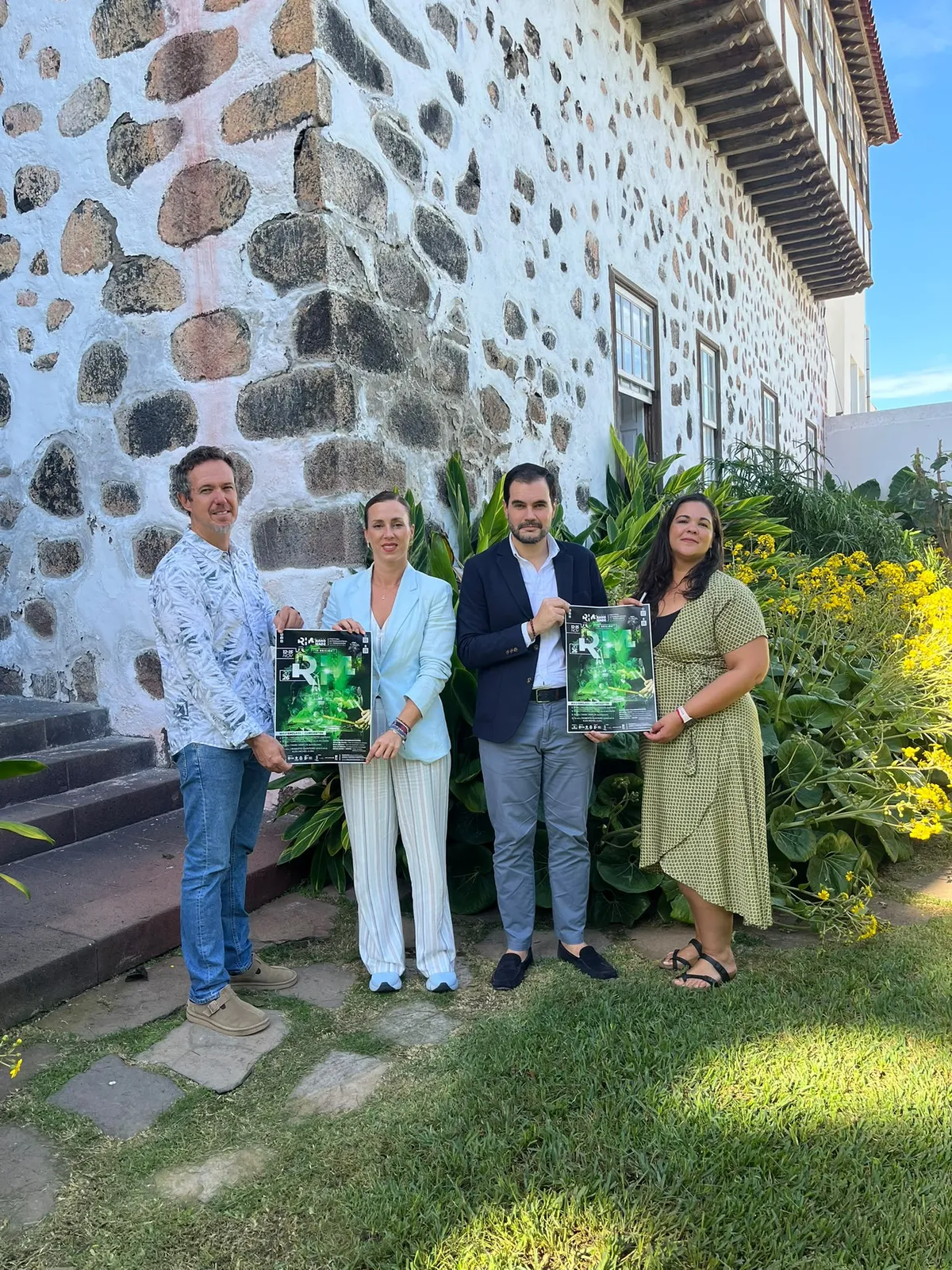
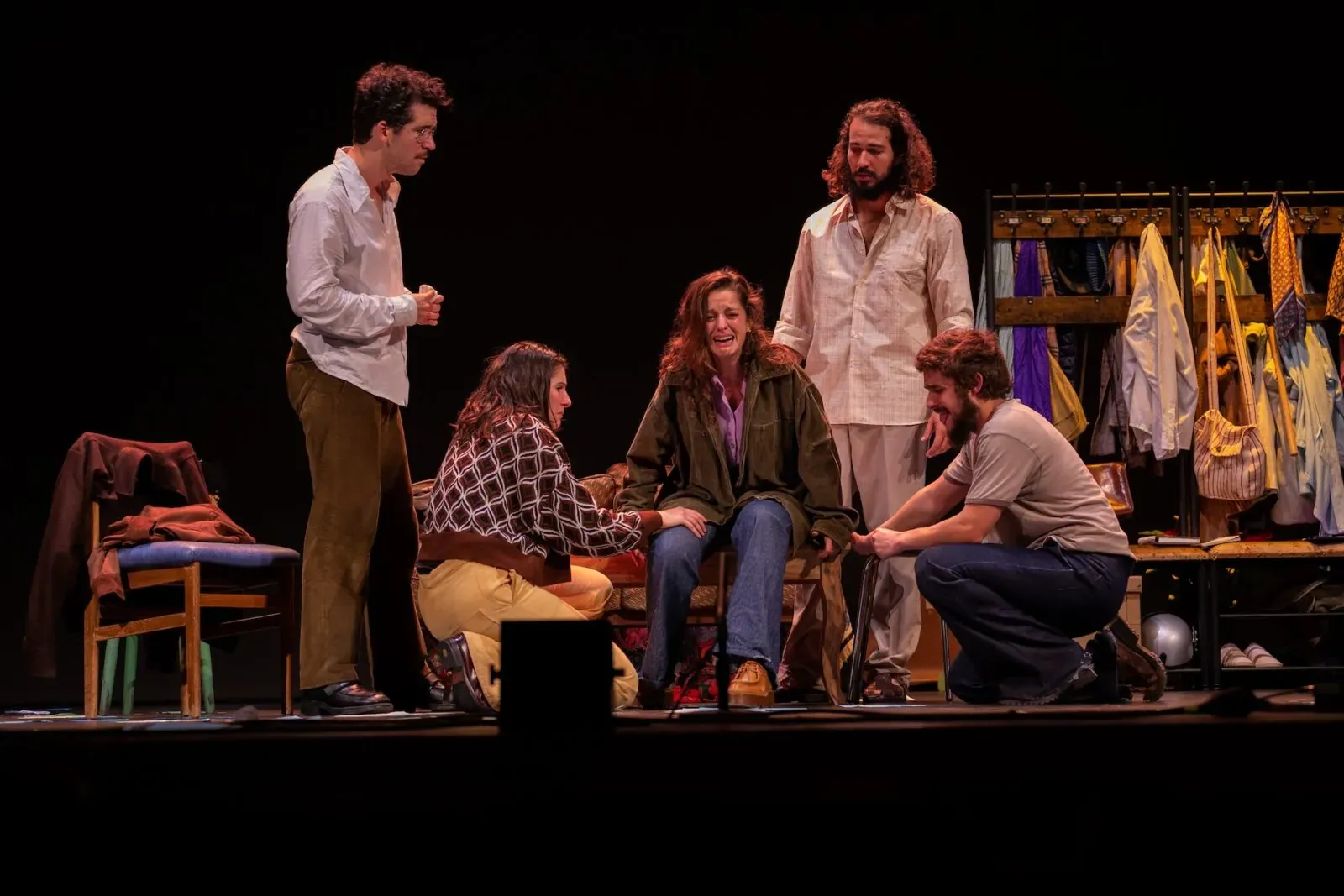
The company Delirium Teatro and the company directed by actress and director Aranza Coello will perform, respectively, on Friday, November 13th, and Saturday, November 14th, both at 8:30 PM in the Capitol Auditorium. Access to both performances is free, and tickets can be reserved on the Tacoronte Auditorium's website.
'La inmortalidad' is an approach to that complex stage of life, full of dreams, euphoria, and passion, and at the same time fraught with fears and uncertainties, which is youth, explained the author, the Canarian writer Antonio Tabares. The action takes place in the 1970s, a turbulent and promising time where a group of university students—Julia, Dani, Rafa, Fer, and Mercedes—share dreams, professional aspirations, loves, heartbreaks, and political struggles against a regime in its final, cruel throes, during the transition to democracy. The death of Félix Francisco Casanova in January 1976 and the murder of student Javier Fernández Quesada in December 1977 frame the temporal setting for this play, which explores the political and social significance of the University of La Laguna in the Canary Islands during the latter half of the 70s.
'La tuerta' is the adaptation of the novel of the same title by Canarian writer María del Mar Rodríguez, who receives this year's festival literary award. Aranza Coello adapted for the stage this story of survivors in the post-war era, a period of hunger and fear. In this context, the 'losers among the losers' were women forced into prostitution as the struggle to feed and raise their children became a daily exercise in survival. From a brothel in the heart of 1946 Santa Cruz—one of the most difficult post-war years—the play paints a picture of a broken country, divided between victors and vanquished, separated by countless silenced memories. The women who lost are doubly victimized, their bodies the territory of barbarism.