
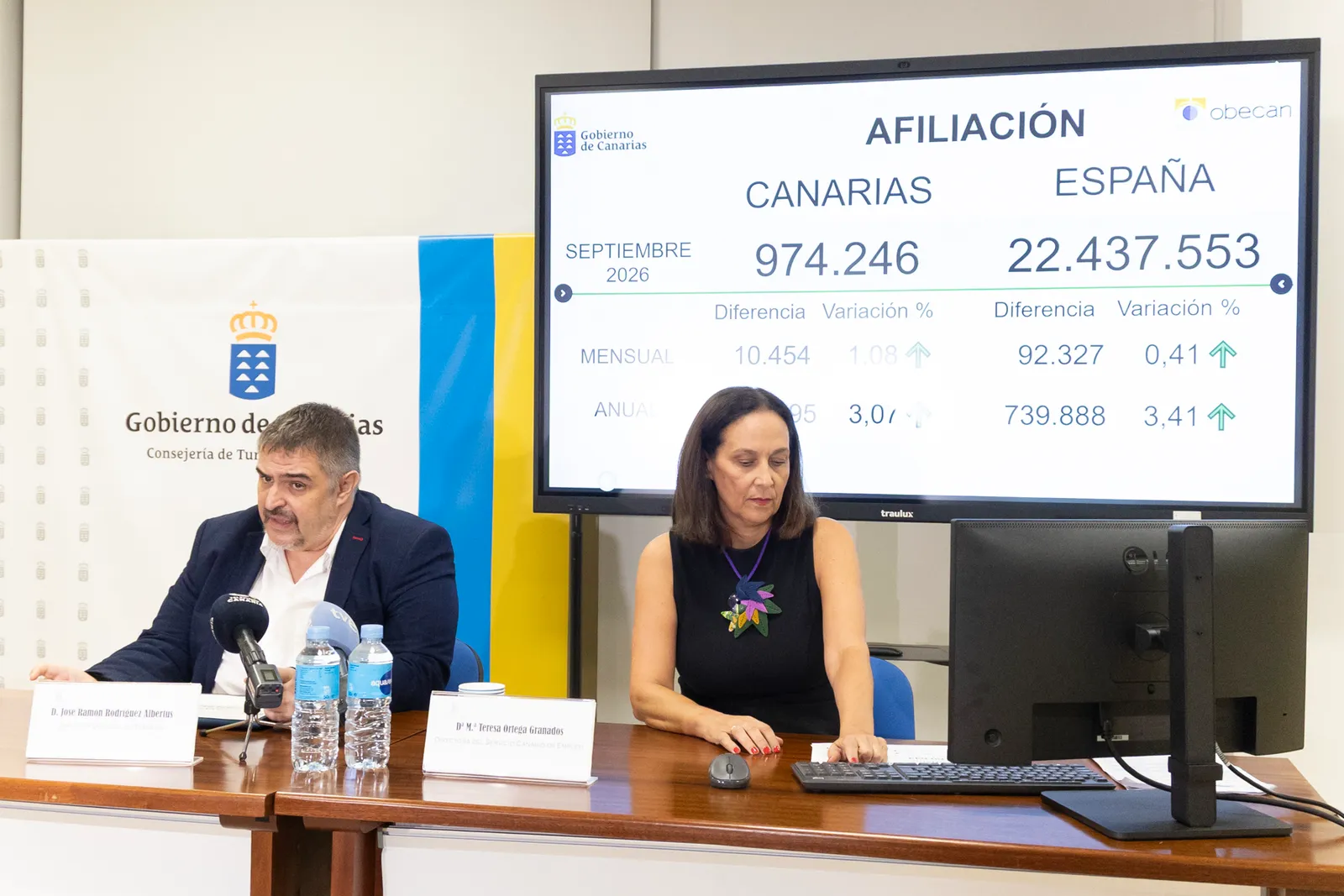
Unemployment in the Canary Islands Hits Historic Lows: Lowest Since 2007
Long-term unemployment also drops to levels not seen since 2009, while hiring increases across all sectors and islands.
Economy
Latest economy news
Long-term unemployment also drops to levels not seen since 2009, while hiring increases across all sectors and islands.
The total number of unemployed stands at 140,303 people, with an annual reduction of 3.5%.

Lanzarote, El Hierro, and Gran Canaria record an increase in mortgage registrations on homes, according to ISTAC data.
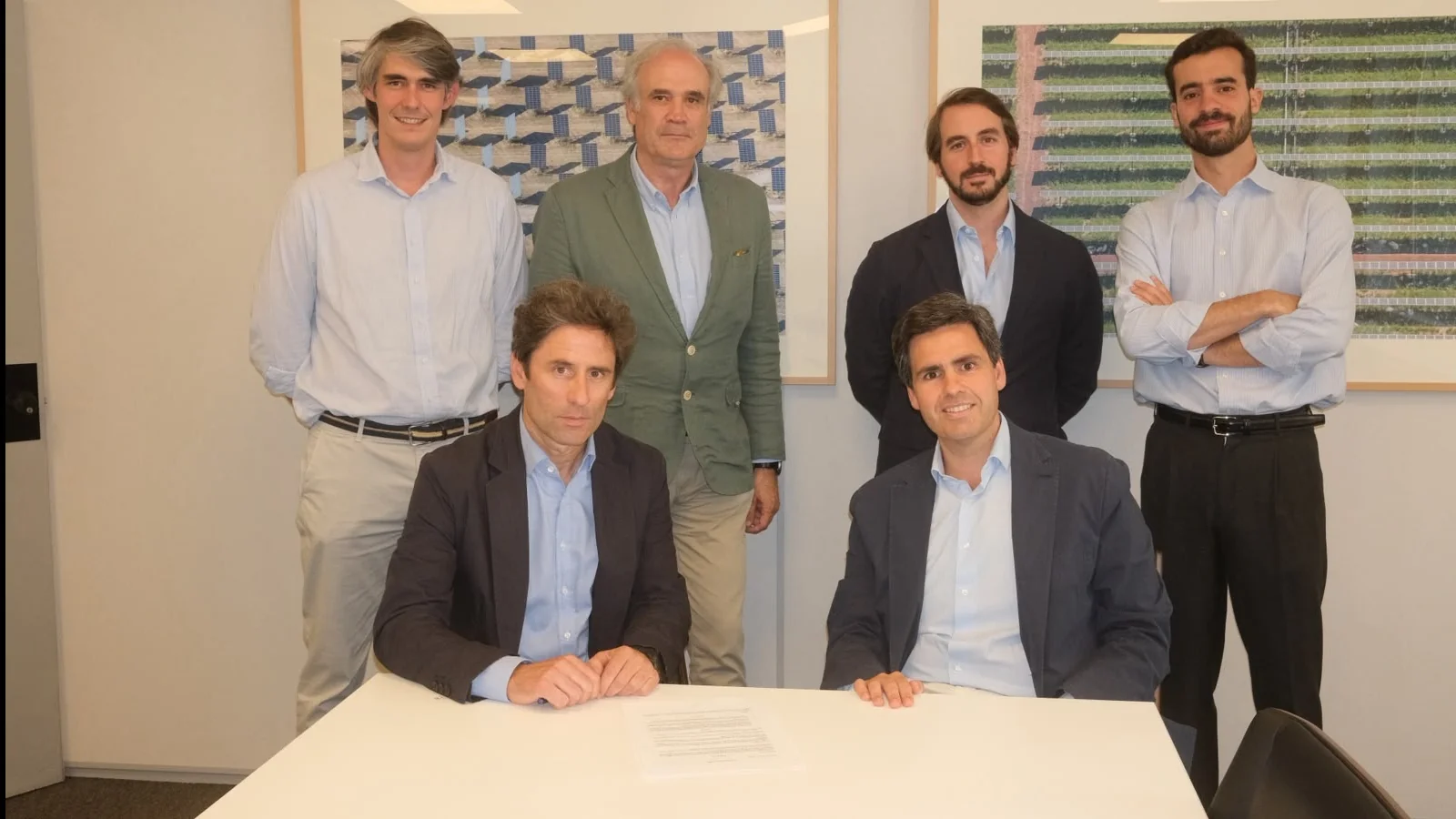
The agreement kicks off with three industrial projects already closed, totalling nearly 8 MW of photovoltaic power and 11 MWh of energy storage, combining flexible financing, self-consumption, and intelligent energy management.

The average price per square meter for free housing in the islands stands at €2,279.4, surpassing the national average.
The archipelago records a trade deficit of 8,778 million euros, with a coverage rate of 21.8%.

The event will gather national and international experts in Las Palmas de Gran Canaria to discuss submarine infrastructure, maritime transport, and marine renewable energies.

Financial planning allows for a global overview of savings, assets, and personal and family goals.

The Canary Islands Institute of Statistics (ISTAC) releases data showing a significant year-on-year increase, placing the Canary Islands among the regions with the highest variations.
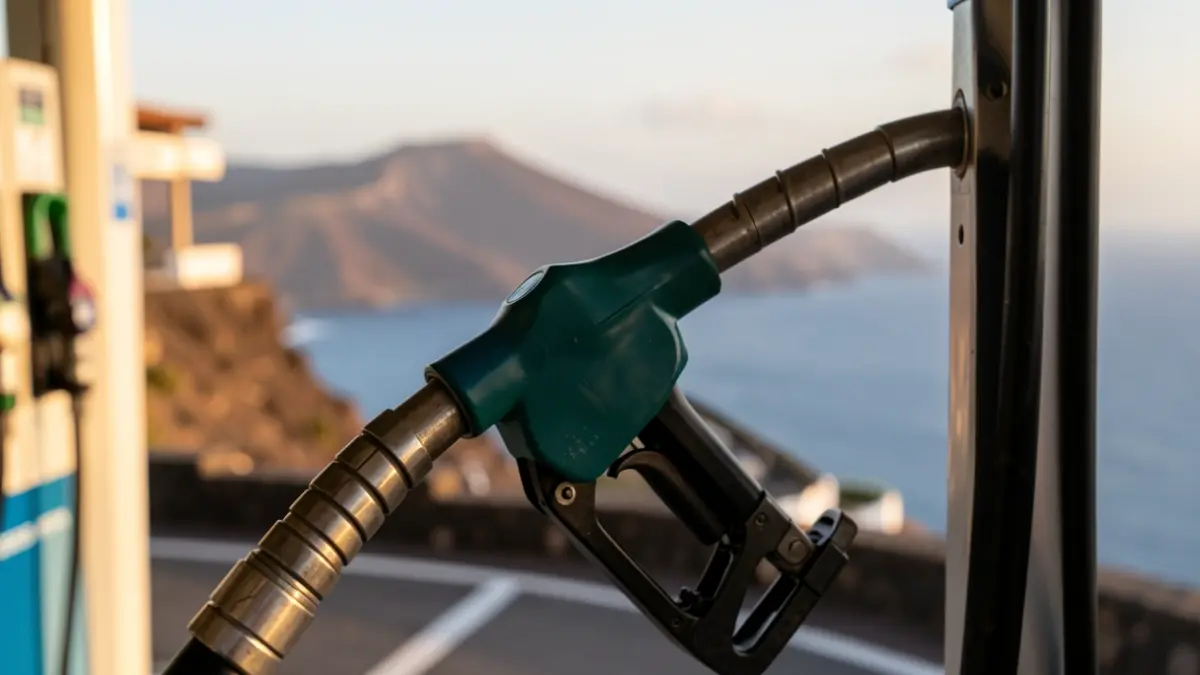
Diesel and gasoline prices reach their highest points of the year, with renewable diesel nearing its peak, impacting the island economy.
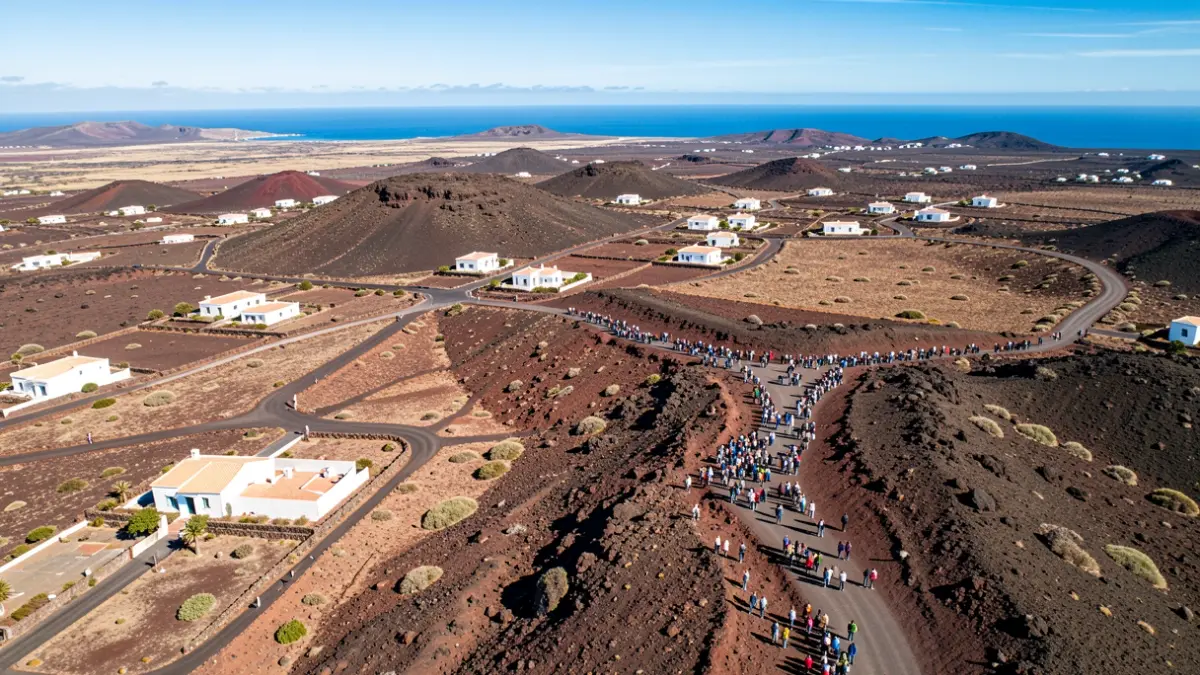
ISTAC data shows that most island residents believe the sector should be promoted despite social costs.
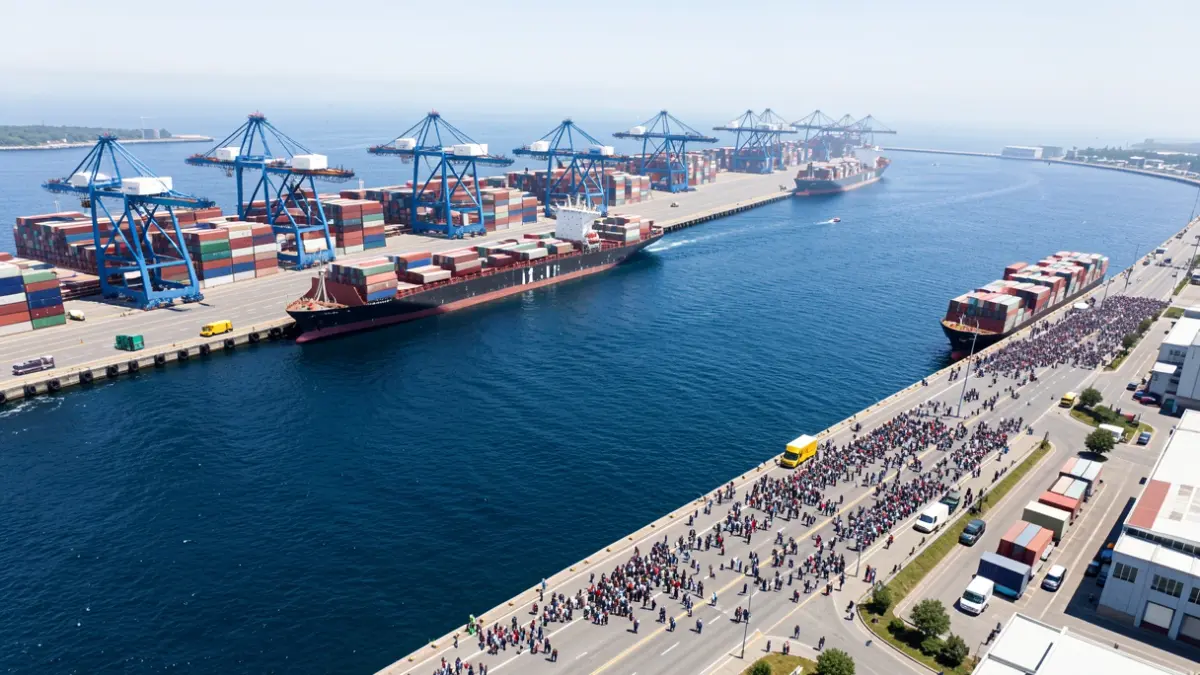
The Port Authority records 1% annual growth and exceeds one million TEUs in accumulated traffic.