The Ministry of Health of the Government of the Canary Islands joins the commemoration of World Stroke Day, celebrated on October 29th, reporting an increase in hospital admissions for this disease. In 2025, 1,435 admissions occurred in the province of Las Palmas and 1,335 in Santa Cruz de Tenerife.
Stroke, a cerebrovascular disease that interrupts blood flow to the brain, is the second leading cause of death, the third of disability, and one of the main causes of acquired dementia in adults. In the Canary Islands, 76% of strokes recorded in 2025 were ischemic (2,101 cases), while 24% were hemorrhagic (669 cases).
The Ministry of Health reminds the public of the importance of adopting healthy lifestyles and acting immediately upon any suspicious symptoms, under the slogan “Time is brain”. Early detection and urgent treatment are crucial for saving lives and reducing long-term consequences.
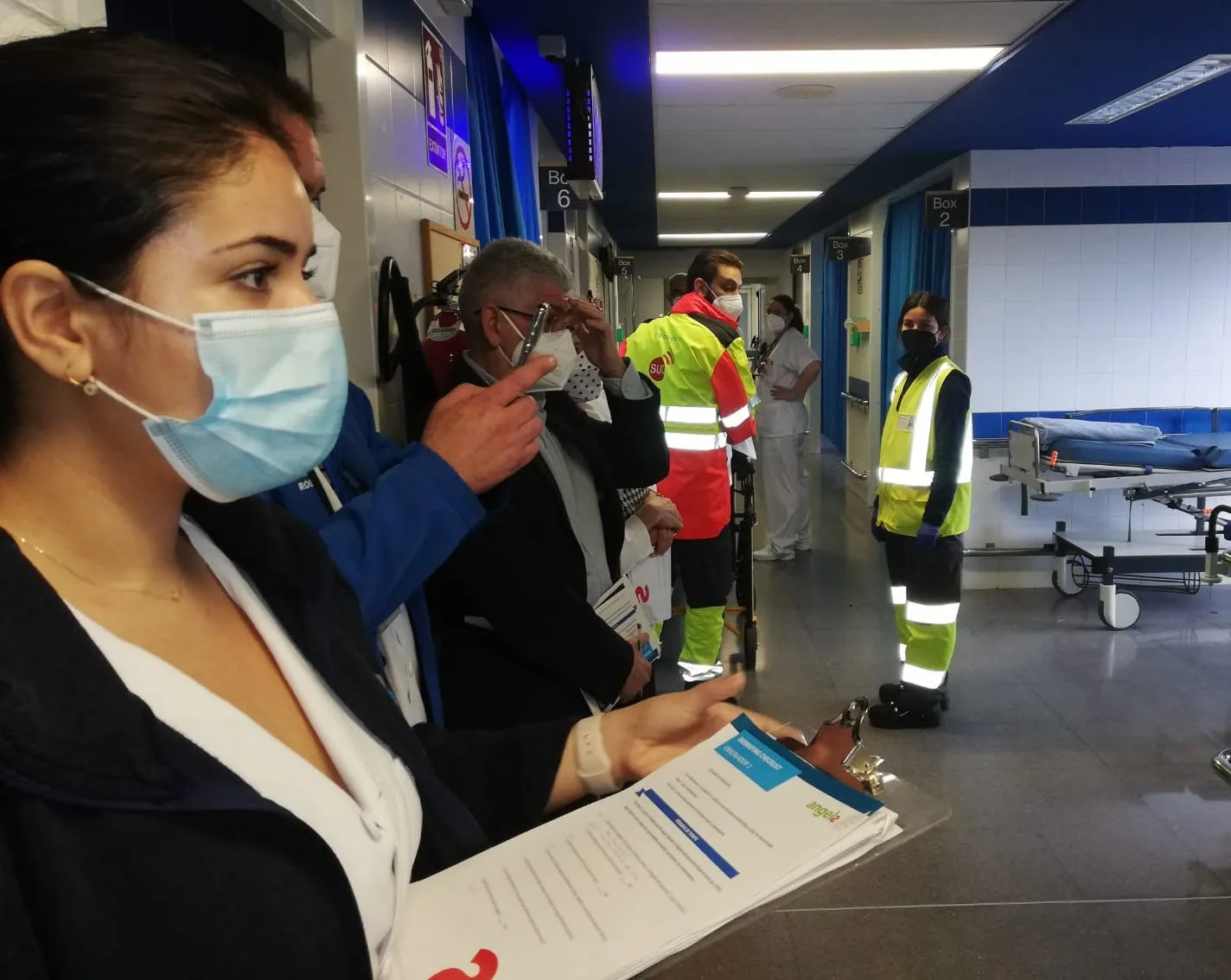
Stroke care in the Canary Islands is based on the evidence that brain damage increases with every minute that blood circulation is not restored. The Canary Islands Health Service (SCS) is working on updating the ‘Stroke Care Guide’, which includes the Stroke Code, fully implemented and reinforcing coordination between Primary Care, the Canary Islands Emergency Service (SUC), and public hospitals.
The Stroke Code is a program that initiates action from the first alert, aiming for rapid transfer to the appropriate hospital for reperfusion therapies and specialized care in a Stroke Unit. By activating the code via a call to 1-1-2, the in-hospital process is set in motion.
Prevention is key, as most strokes are attributable to modifiable risk factors such as high blood pressure, diabetes, high cholesterol, and atrial fibrillation, in addition to healthy lifestyle habits like a balanced diet, regular physical activity, and avoiding toxic substances. Hypertension is the most significant factor for both ischemic and hemorrhagic strokes.
Symptoms to recognize include sudden weakness in the face, arm, or leg, speech or comprehension problems, difficulty walking, sudden vision loss, or intense, sudden headache. Prompt specialized attention can save lives and significantly reduce consequences.