Spain's new National Red List, compiled using the International Union for Conservation of Nature (IUCN) methodology, has identified 471 terrestrial, marine, and freshwater native species as endangered out of 1,580 evaluated. The official presentation of this scientific inventory at the Congress of Deputies aims to guide future political decisions regarding conservation efforts.
The primary threats identified for these species include habitat loss, pollution, intensive agriculture, infrastructure development, alteration of river systems, and accidental captures in marine environments. Notable species highlighted are the spur-thighed tortoise ('Testudo graeca'), the Bedriaga's frog ('Hyla molleri'), the Montseny brook newt ('Calotriton arnoldiel'), the Pyrenean desman ('Galemys pyrenaicus'), and the angel shark ('Squatina squatina'), each reflecting distinct pressures on ecosystems.
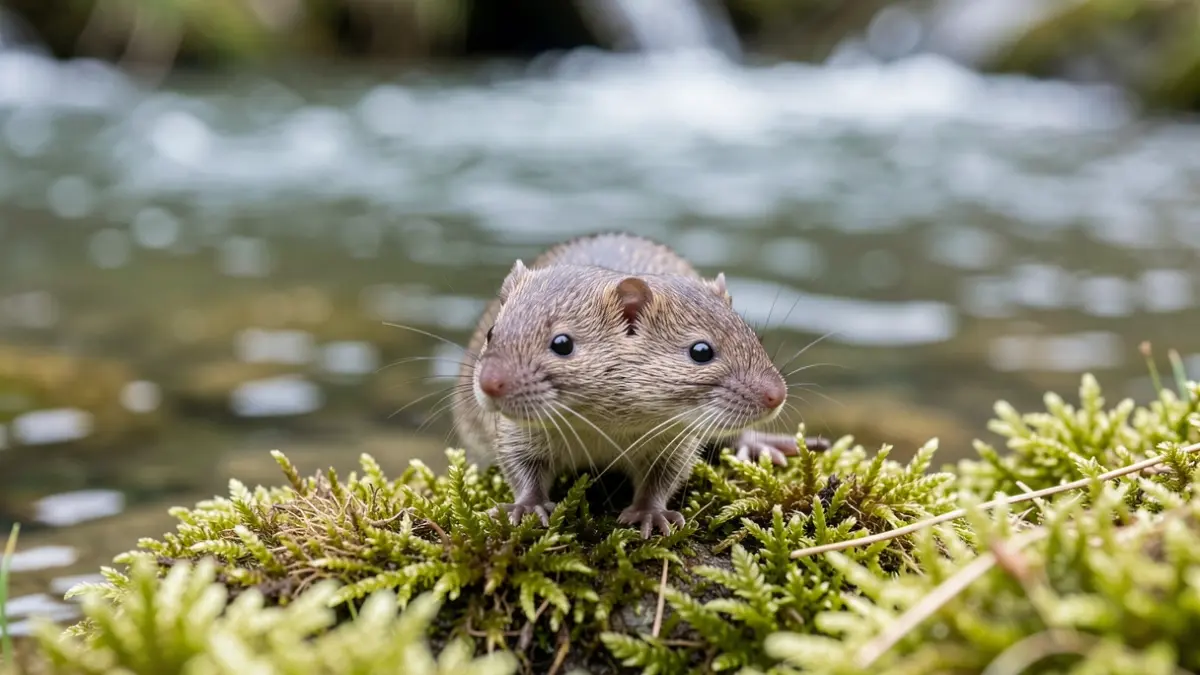
The Pyrenean desman, a mammal dependent on clean river waters, reflects the deterioration of these fluvial habitats, while the scarcity of the angel shark, a coastal shark, underscores the pressure on marine environments and the impact of certain fishing gear. The eel, though not officially classified as "endangered" by the ministry due to regional opposition to fishing restrictions, is listed as one of the most threatened species in this report.
This list does not supersede existing legal protection catalogs but provides a crucial scientific basis. Its objective is to prioritize conservation actions, identify species requiring urgent measures, and effectively allocate resources. The work was conducted by the Spanish Species Specialist Group, established in 2024, involving over 190 specialists and collaborating entities such as AIZA and the IUCN Mediterranean Committee.
Spain, recognized as a major biodiversity hotspot in Europe with an estimated 85,000 species of animals, plants, and fungi, holds a "responsibility to act" in the face of observed declines. Initiatives such as captive breeding programs for the Cabrera's vole and projects for the brown bear demonstrate that conservation extends beyond problem description to encompass population management, habitat restoration, and inter-administrative coordination.
Experts emphasize that the Red List is a living tool, subject to periodic updates as new data emerges and more species are incorporated. The primary challenge now is to translate this diagnosis into effective policies and secure the necessary economic resources for the recovery and conservation of threatened species.