The mayor of Las Palmas de Gran Canaria has highlighted the significant contribution of the Korean community to the city's development. This celebration marks the 60th anniversary of the vessel Ganghwa nº601's arrival at the Port of La Luz, an event that laid the foundation for a profound relationship.
During the inauguration of the 'Gran Fest', an event organized by the Consulate of the Republic of Korea, the city's highest authority emphasized that the ship's arrival in 1966 symbolized the beginning of a bond based on coexistence, understanding, and mutual recognition. She stressed that this relationship extends beyond a mere geographical or economic presence, representing a human story of a community that, initially linked to fishing, made the city its home.
“"We are not just talking about a geographical presence, nor an economic relationship born under the shelter of the sea. We are talking about a human history; of a community that arrived linked to fishing activity and that, over time, turned this city into home, memory, and belonging."
The mayor also noted how the presence of the Korean fleet has strengthened the community in various areas, including economic, educational, social, and cultural spheres. She affirmed that Las Palmas de Gran Canaria and Korea have built a history of understanding, praising the Korean community's ability to maintain its roots while fully integrating into urban life.
An institutional visit to the Republic of Korea in 2025, at the invitation of the Korea Foundation, was recalled. The visit aimed to further strengthen economic, commercial, cultural, and institutional ties between both territories. This trip was described as a gesture of recognition and reciprocity towards a community that is an essential part of the living history of the Gran Canarian capital.
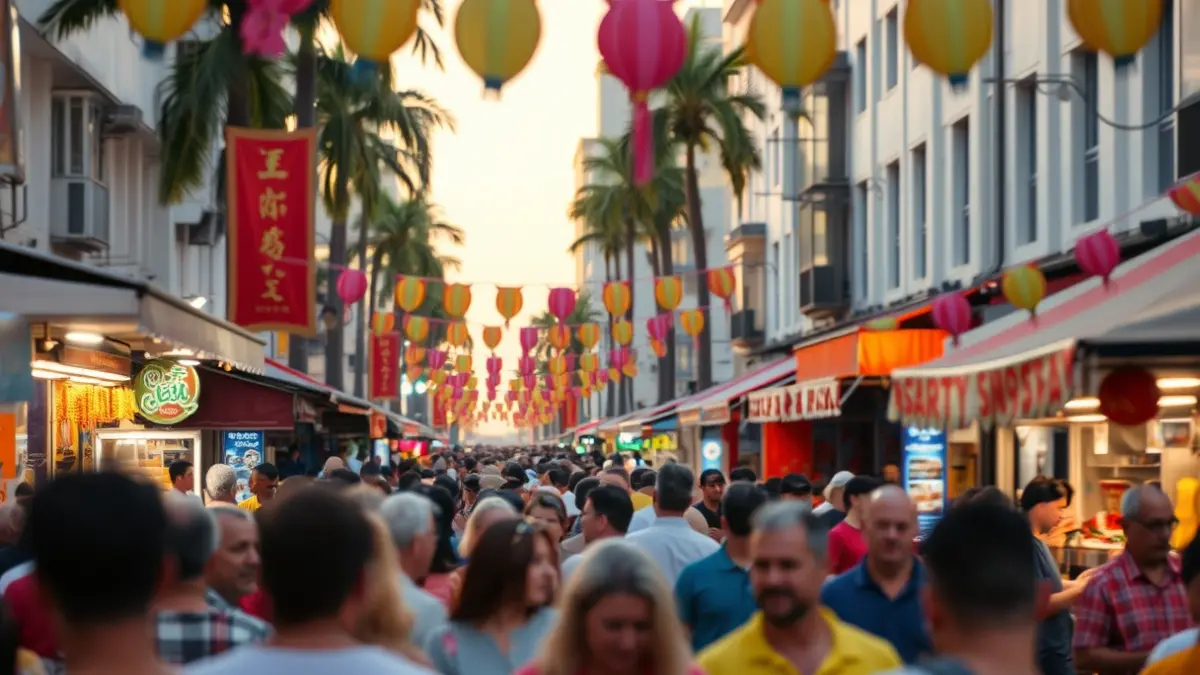
The 'Gran Fest 60th Anniversary' offered a diverse program that included gastronomic exhibitions, concerts, cultural activities, traditional workshops, K-Pop contests, and spaces dedicated to promoting Korean culture and the history of its community in the Canary Islands.