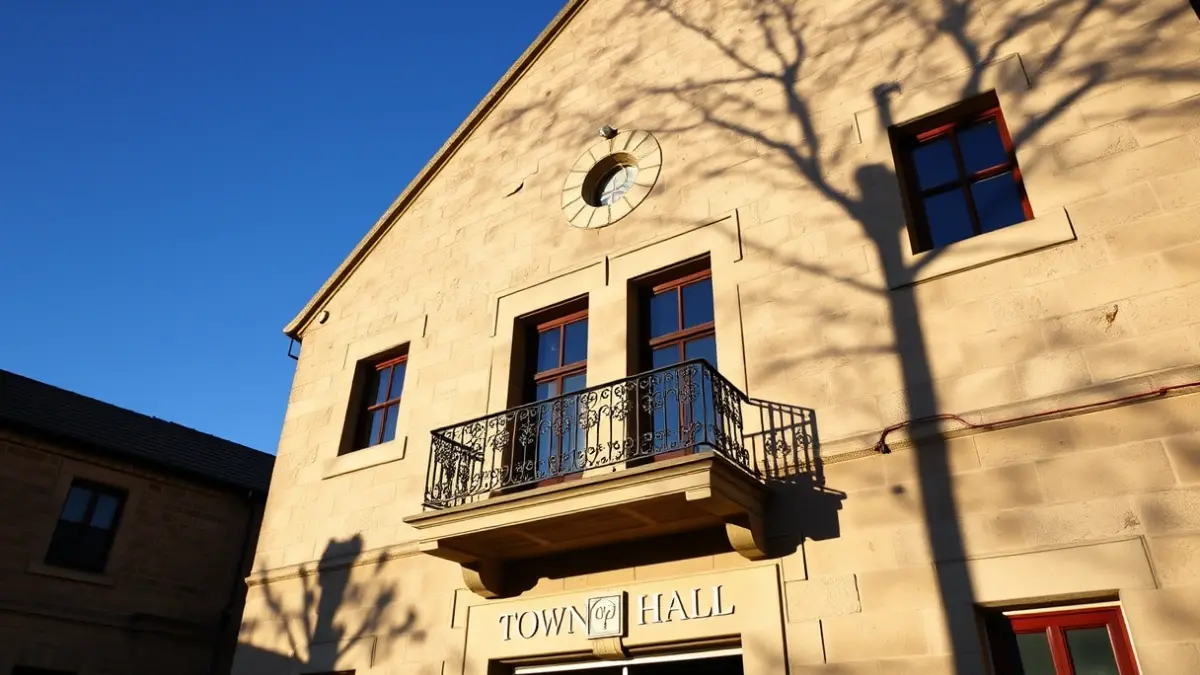
The acquisition of the emblematic property, which was finalized for 420,000 euros, was signed before a notary. This step marks the beginning of a new era for a building that has served as a meeting point and social hub for generations of residents in Santa Brígida for over a century.
“"This acquisition is not just a patrimonial operation, but a firm commitment to the preservation of our identity and to enhancing the value of spaces that are part of our history."
The council's intention is for the Real Casino to be transformed into a cultural space, envisioned as a type of athenaeum. The municipal leadership has emphasized that this operation represents a commitment to preserving local identity and recovering historical spaces.
The purchase process, formally initiated on July 29, 2025, concludes with this signing. Given the private nature of the property and the existence of a single collective owner (the heirs of the former owner), the direct negotiation route was chosen, a mechanism provided for in legislation for such cases.
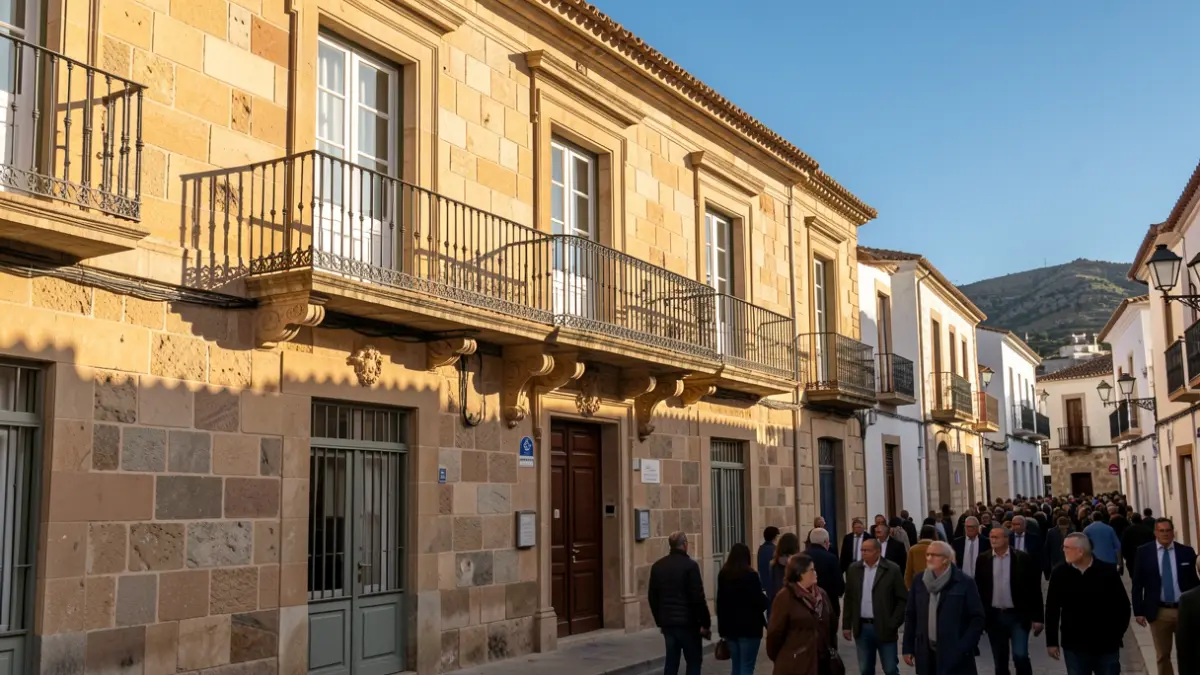
The Casino, located in the historic center, dates back to April 23, 1900, when a group of local elite youth founded the 'La Amistad' Instruction and Recreation Society. It quickly became a fundamental hub for the social and cultural life of the municipality. In 1926, King Alfonso XIII granted it the title of Royal Society, solidifying its prestige.
The neoclassical-style building, listed by the FEDAC of the Cabildo de Gran Canaria as an ethnographic heritage asset, reflects the aesthetics of its era with elements such as a large interior patio, a marble, iron, and wood staircase, and cast-iron windows. With this acquisition, Santa Brígida reaffirms its commitment to preserving its heritage and collective memory.