This document, developed in collaboration with the University of La Laguna and Gesplan, is part of the Canary Circular Economy Strategy 2021-2030 and the Circular Economy Action Plan 2024-2026, reinforcing the islands' commitment to the European Green Pact. Its objective is to establish a common framework for administrations to make more sustainable purchasing decisions, reducing environmental impact.
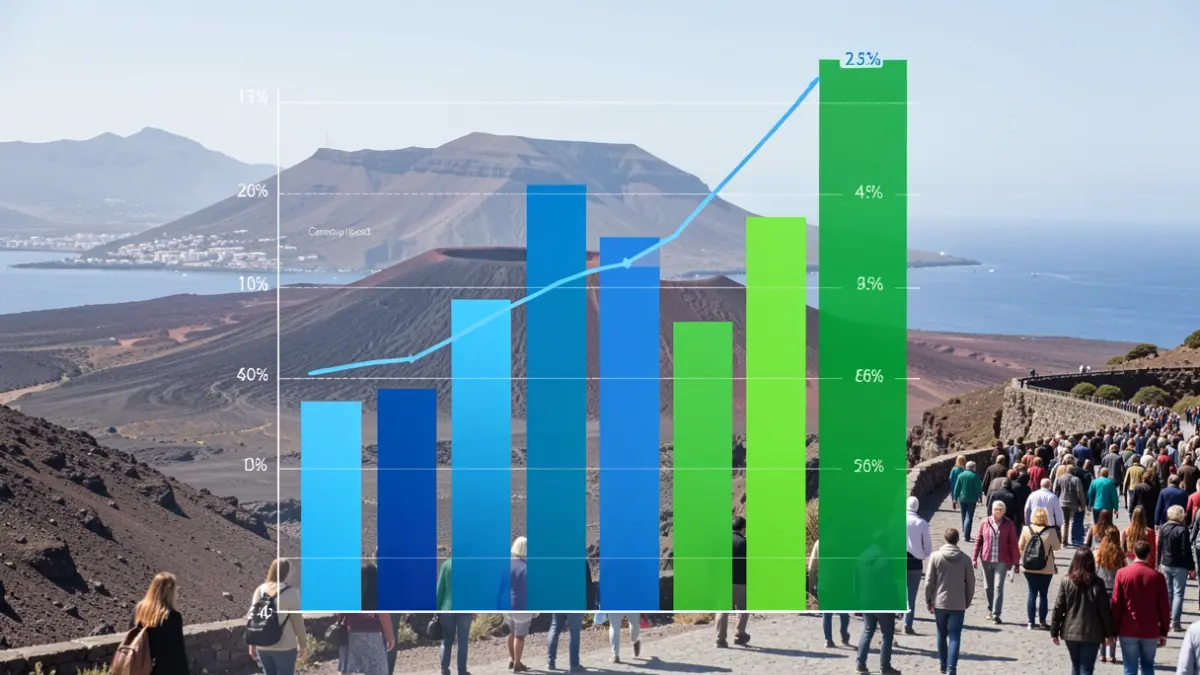
The Minister of Ecological Transition and Energy, Mariano H. Zapata, highlighted that public procurement, representing between 15% and 20% of the regional GDP, must be a lever to transform the market towards more durable and efficient products and services. He noted that each contract is an opportunity to reduce raw material consumption, prevent waste, and foster a sustainable economic model in the Canary Islands.
Ángel Montañés, Director General of Environmental Quality, explained that the document responds to the request from the Canarian productive sector to promote circular procurement as a way to value sustainable local products. He added that the guide provides technicians with tools to avoid legal challenges to contracts, by selecting environmental criteria that are proportionate and compatible with free competition.
The guidelines are based on five principles and promote consideration of the product lifecycle, objective and verifiable criteria, adapted to each contract, ensuring equality, free competition, and proportionality. The working method allows for selecting the most suitable criteria based on the characteristics of each service.
The document includes practical examples for organizing events, acquiring electronic equipment, purchasing furniture, and executing works, aimed at promoting durability, reparability, material reuse, and resource efficiency. These examples will serve as a starting point for each contracting authority to adapt the criteria to their needs.
Following this phase, a participatory process will begin in the second half of 2026 with administrations and stakeholders to validate the guidelines and facilitate their progressive implementation. The next Circular Economy Action Plan 2027-2029 will reinforce this process with training and support.
Zapata concluded that the circular economy must be integrated transversally into administrations, and this document is a first step towards making sustainability a concrete and verifiable criterion in public procurement in the Canary Islands.