The agreement, reached between the Government of the Canary Islands, the island councils (cabildos), and the municipalities (ayuntamientos), prioritizes housing, socio-sanitary infrastructure, and innovation as key investment areas, while maintaining job creation as a cross-cutting theme.
The President of the Canary Islands, Fernando Clavijo, explained that the guaranteed budget from the regional government is €1.626 billion, a figure that will rise to €2.6 billion with contributions from the island corporations. The draft decree for the new FDCAN will be open for input from all institutions to enhance it.
Clavijo thanked the cabildos and ayuntamientos for their collaboration in advancing the economic, social, and territorial cohesion of the archipelago through strategic investments. He highlighted that the FDCAN will enable multi-year projects focused on current challenges such as housing, the creation of socio-sanitary places, and R&D+i.
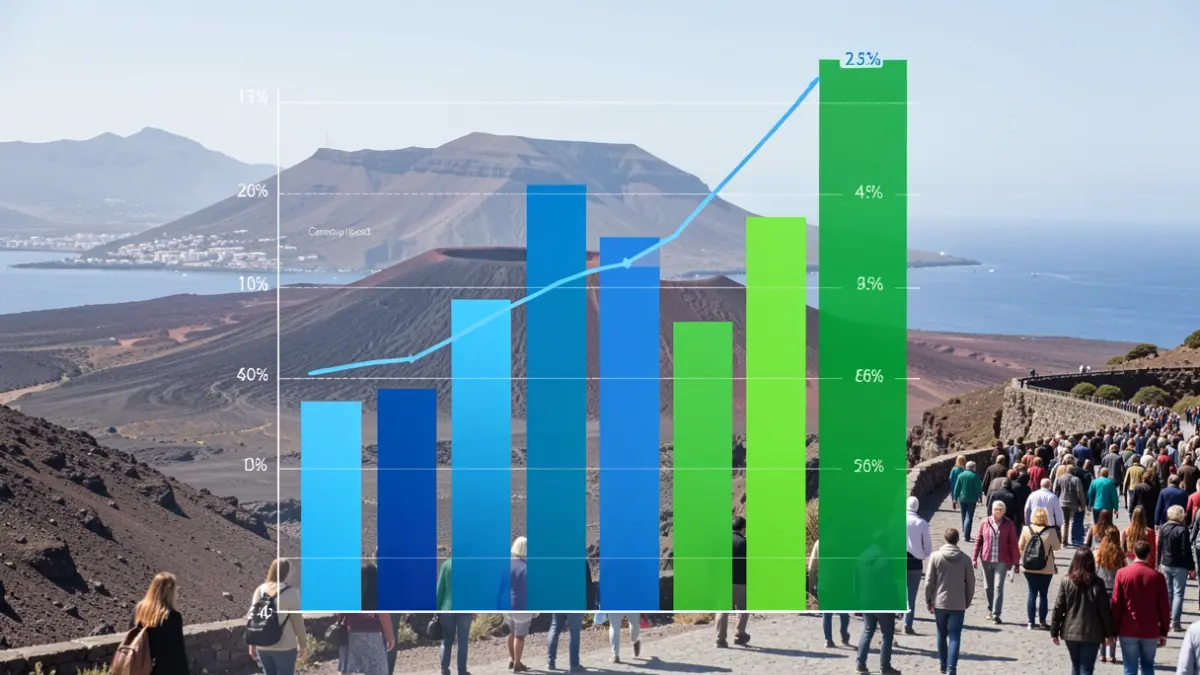
The agreement stipulates that 50% of the new Fund will be allocated to public works, 35% to socio-sanitary infrastructure, and 15% to innovation, development, and research. The President is confident that the 2026-2036 FDCAN will surpass the results of the previous decade, which saw an investment of €2.619 billion, generating an economic impact of €4.504 billion and creating 47,287 jobs.
Differentiated financing percentages from the Government will be maintained: 50% for Gran Canaria and Tenerife; 80% for Lanzarote, La Palma, and Fuerteventura; and 90% for La Gomera and El Hierro, to support the non-capital islands.
Improvements based on accumulated experience will be introduced, simplifying legal frameworks and streamlining procedures. Planning, monitoring, evaluation, and financial control mechanisms will be strengthened for more effective management.
The president of the Federation of Canary Islands Councils (FECAI), Antonio Morales, emphasized the continuity of the FDCAN as an extraordinary tool for economic development and territorial cohesion, and welcomed the focus on housing, socio-sanitary infrastructure, and R&D+i.
Morales thanked the Government for its openness to reaching a consensus on the decree and applauded the one-year extension for certifying ongoing projects.
The 5th Conference of Presidents was held at the Government's headquarters in Santa Cruz de Tenerife. Participants included, among others, the Minister of Finance, Matilde Asián, and representatives from the seven island councils, including Antonio Morales (Gran Canaria) and Rosa Dávila (Tenerife).
The agreement will be formalized through a decree by the Governing Council and execution agreements with each island council. The annual contribution from the Government of the Canary Islands will be €162 million, rising to approximately €260 million annually with the contribution of the island councils.
The new FDCAN will be more flexible, allowing for project changes and reprogrammations. Oversight bodies will include the Update and Monitoring Commission, the Program and Project Admission and Selection Committee, and the FDCAN Evaluation Commission.