In the last ten years, 662 cetacean strandings have been recorded on the Canary Islands' coasts. This figure represents a 32% increase compared to the preceding decade. While some of these deaths are due to natural causes, a significant percentage is related to human activities, such as fishing, entanglement with plastics, or collisions with vessels.
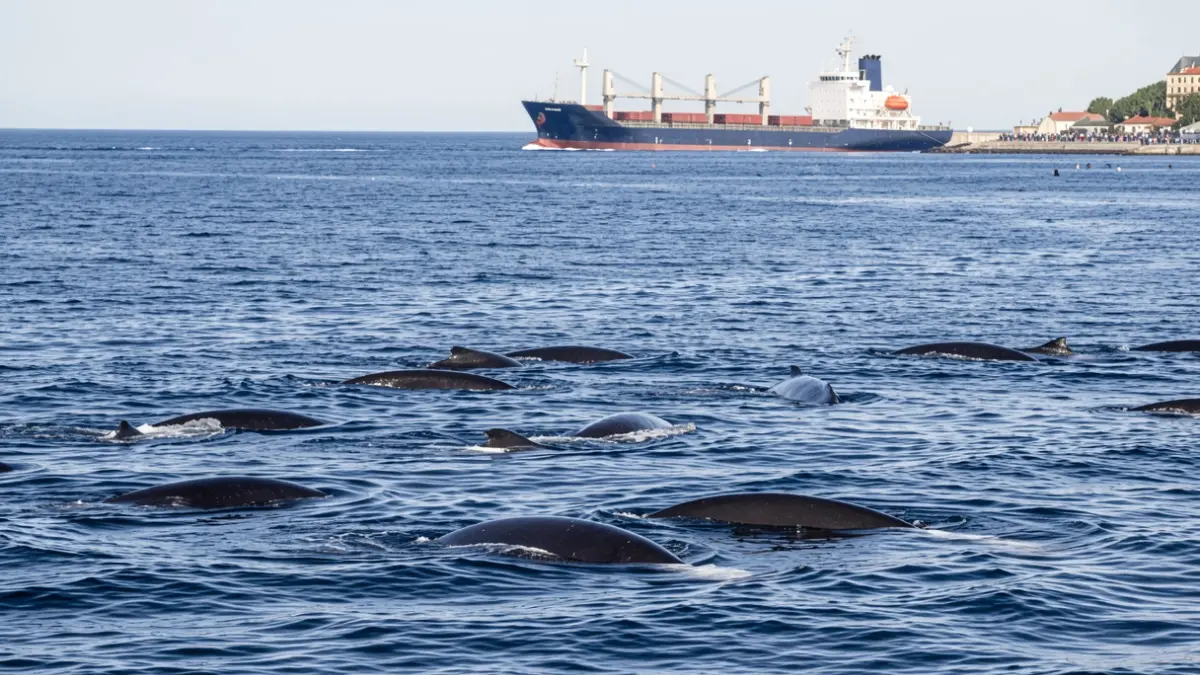
Scientists from the University of Las Palmas de Gran Canaria (ULPGC) and the Spanish Institute of Oceanography (IEO-CSIC) express concern over the rise in stranded sperm whales, with up to 40% of them dying prematurely due to collisions with large ships. Although the overall increase is not considered "significant" and is partly attributed to improved monitoring, the situation of sperm whales is a cause for alarm.
According to the Canary Islands Stranded Cetacean Network (Cetvar), 119 sperm whale deaths have been recorded since 2000. Unlike other cetaceans, where nearly half of cases are due to natural death, more than half of sperm whale causes are indeterminate, making scientific proof of causality difficult, especially due to carcass preservation.
Veterinary analyses confirm that most stranded sperm whales showing signs of collision died from this cause. Specifically, 44% of sperm whale strandings show evidence of collision. Eight out of ten of these cases exhibit cuts consistent with sharp bows, and the rest, parallel cuts associated with large propellers.
Researcher Natacha Aguilar highlights the severity of these collisions, given that the sperm whale is a long-lived species with long reproductive cycles. It is estimated that over 7,000 large international cargo ships transit the Archipelago annually. A proposal has been made to limit the speed of these vessels to 10 knots to reduce collision risk, a measure that would only cause a minor delay in voyages.
The Canary Islands Department of Ecological Transition is aware of the problem and collaborates with shipping companies. The Vigía Network, through the University Institute of Animal Health (IUSA), conducts technical analyses and biopsies to determine the causes of death. The project extends to the entire Macaronesia region, including workshops in Cabo Verde.
Strandings are considered a key indicator of ocean health, allowing for the integration of data on pathology, epidemiology, population distribution, and human activities for continuous monitoring.