A total of 16 nights in July exceeded 20 degrees across the Archipelago, a phenomenon known as tropical nights that affected residents' rest. The State Meteorological Agency (Aemet) highlighted that 52% of meteorological stations recorded this event, particularly on the coasts, though it was also felt in mid-altitude and summit areas.
The high nocturnal temperatures also manifested as torrid nights, with minimums equal to or above 30 degrees. An example was the station at Lomos de Pedro Alfonso, in San Bartolomé de Tirajana (Gran Canaria), which registered 30.3 degrees on the night of July 7. Other areas like La Dehesa (El Hierro) and Arure (La Gomera) also experienced very warm nights, with nocturnal highs of 28.9 and 27.1 degrees respectively.
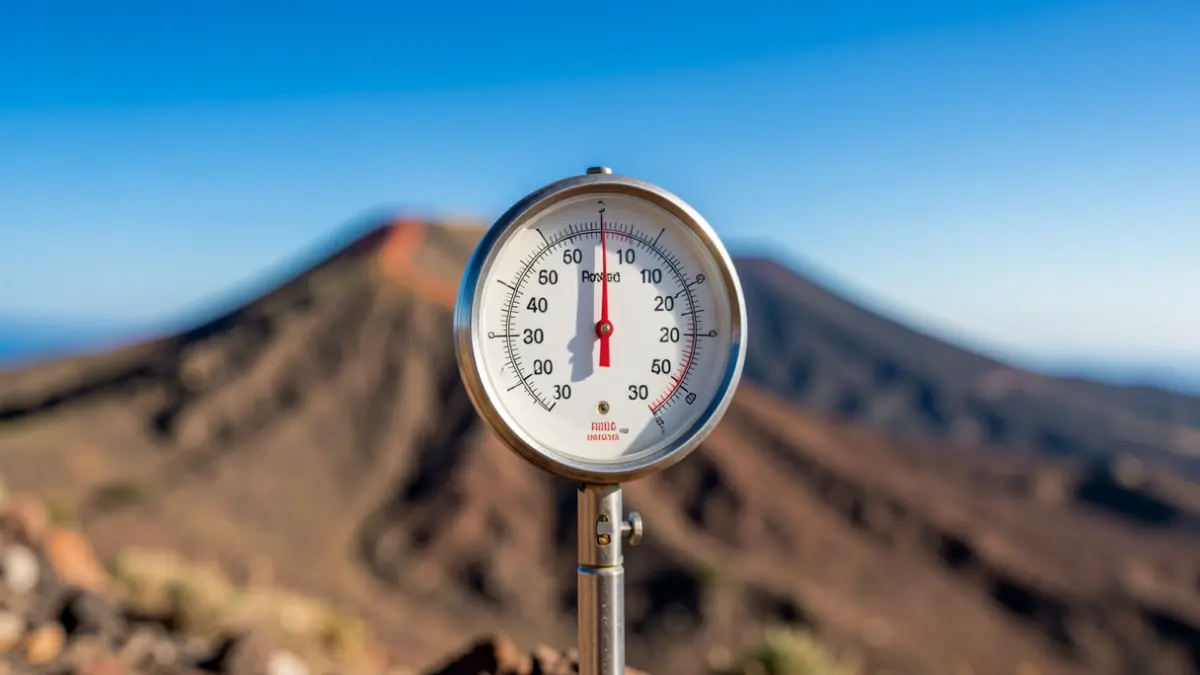
The Aemet report describes the month as "very warm", with an average temperature of 23.5 degrees, 1.2 degrees above the historical average. The highest daytime temperatures were recorded at the end of the month, coinciding with a heatwave. In La Aldea de San Nicolás (Gran Canaria), temperatures reached 40.7 degrees, while El Paso (La Palma) and Arure (La Gomera) reached 38 degrees, and Las Mercedes (Tenerife) recorded 37 degrees.
In addition to the heat, July was "very humid" in the Islands, collecting up to 189% of the predicted rainfall over three distinct periods, despite the low overall precipitation recorded.
The month was marked by three episodes of rising temperatures. The first, from July 4 to 8, with an average of 26.1 degrees. The second, more persistent but less intense, occurred between July 15 and 24. The most intense and prolonged episode, which fully affected the Canary Islands, was registered at the end of the month, raising the average temperature to 27.0 degrees, with an anomaly of four degrees.