The Government of the Canary Islands has announced the establishment of a field hospital on El Hierro to enhance healthcare services in response to the ongoing migratory emergency. This initiative aims to alleviate the pressure on healthcare professionals of the Canary Islands Health Service and ensure assistance for both migrants and the local population of El Hierro, without compromising regular care.
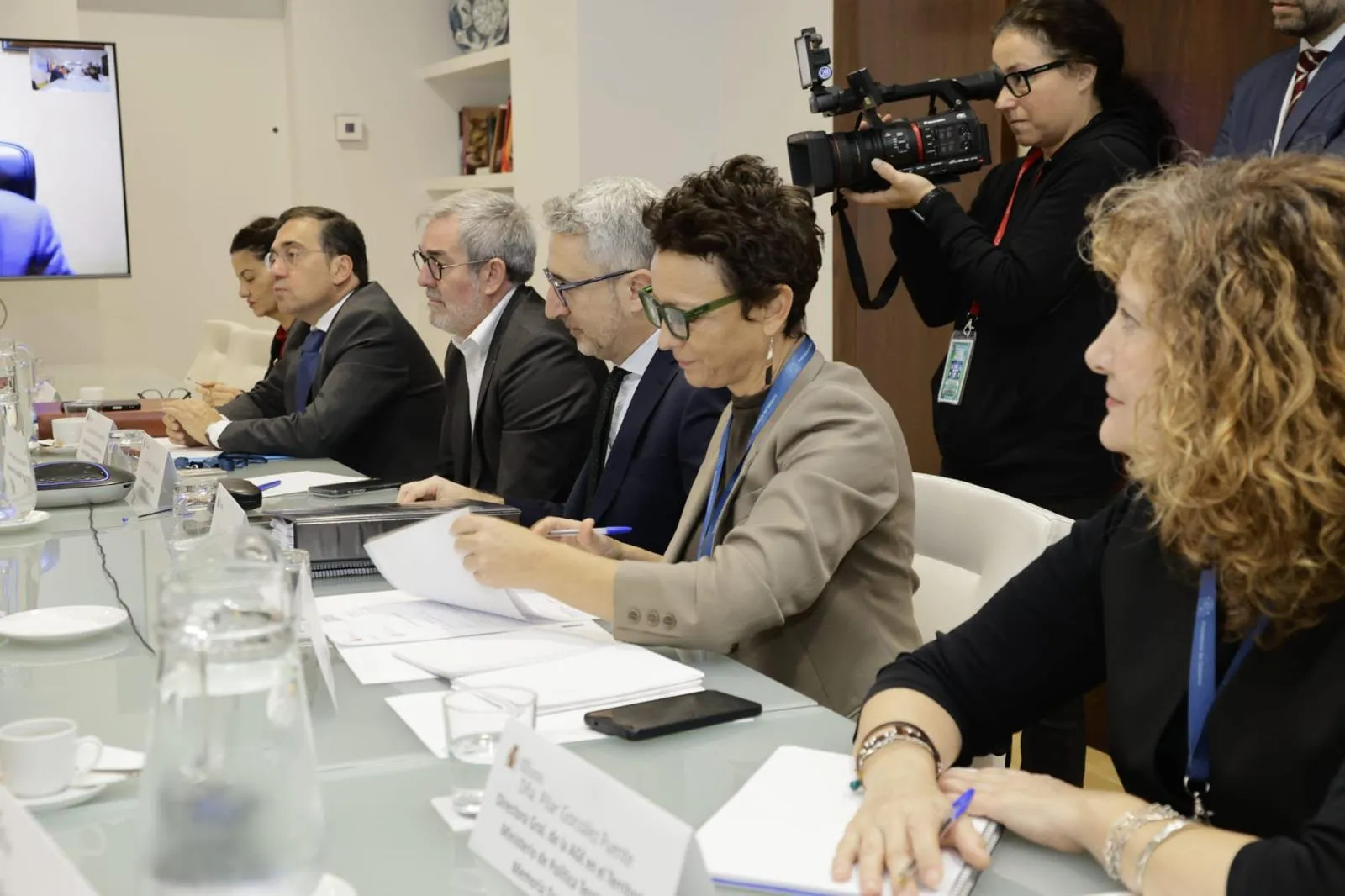
This decision coincides with a financial agreement reached with the Spanish Government. Following a second Interministerial Commission on Immigration that concluded without significant progress on the demands put forth by the Canary Islands, the Minister of Finance, Arcadi España, informed the Canarian President, Fernando Clavijo, of the state's commitment to include five million euros in an urgent decree-law. These funds are intended to cover the health, social, and economic costs stemming from the migratory surge on El Hierro.
Of the total amount agreed upon, three million euros will fund the extraordinary expenses of the Canary Islands Health Service, while the remaining two million euros will enable the Cabildo of El Hierro (Island Council) to address the social and economic impact of the emergency. This funding is in addition to the 15.18 million euros already committed for reception facilities, coastal assistance, and transfers.
Fernando Clavijo welcomed the agreement, stating it would help cover some of the expenses borne by the archipelago. He noted that the high volume of arrivals has necessitated the reorganization of healthcare teams and the suspension of appointments, impacting regular care for residents. The field hospital addresses this healthcare pressure on an island that has experienced a new surge in arrivals during November, with approximately 12,181 migrants reaching the Canary Islands between November 1st and 17th, 99 of whom arrived on El Hierro.
The Canarian President criticized the state's "complete lack of foresight" regarding the reactivation of the Atlantic route and lamented the insufficient preparation of human and material resources. Clavijo emphasized the need for stable infrastructure and long-term solutions, beyond temporary measures, to provide adequate care for migrants and maintain public services and the island's economic activity, particularly in La Restinga, where port activities are affected.
Despite the intensity of the migratory surge, Clavijo acknowledged progress in coordination with the state, especially in the transfer of unaccompanied migrant minors to other autonomous communities. He also highlighted the response in security and rescue operations, though he called for more personnel to sustain operations given the high number of arrivals, mentioning the incorporation of the Guardamar Calíope and the deployment of the Guardamar Urania to El Hierro, along with reinforcements from security forces.
Regarding the European response, Clavijo expressed regret that the Canary Islands have not yet received any European funds designated for the migratory emergency, despite the expenses incurred. He urged the Spanish Government to request the involvement of the European Asylum Agency and the European Civil Protection Mechanism, and to strengthen cooperation with Senegal and Gambia to act at departure points.
The President of the Canary Islands concluded that the economic agreement represents progress for El Hierro's immediate needs but stressed the island's requirement for solutions that extend beyond individual emergency episodes, ensuring dignified care for migrants without compromising public services or the local economy.