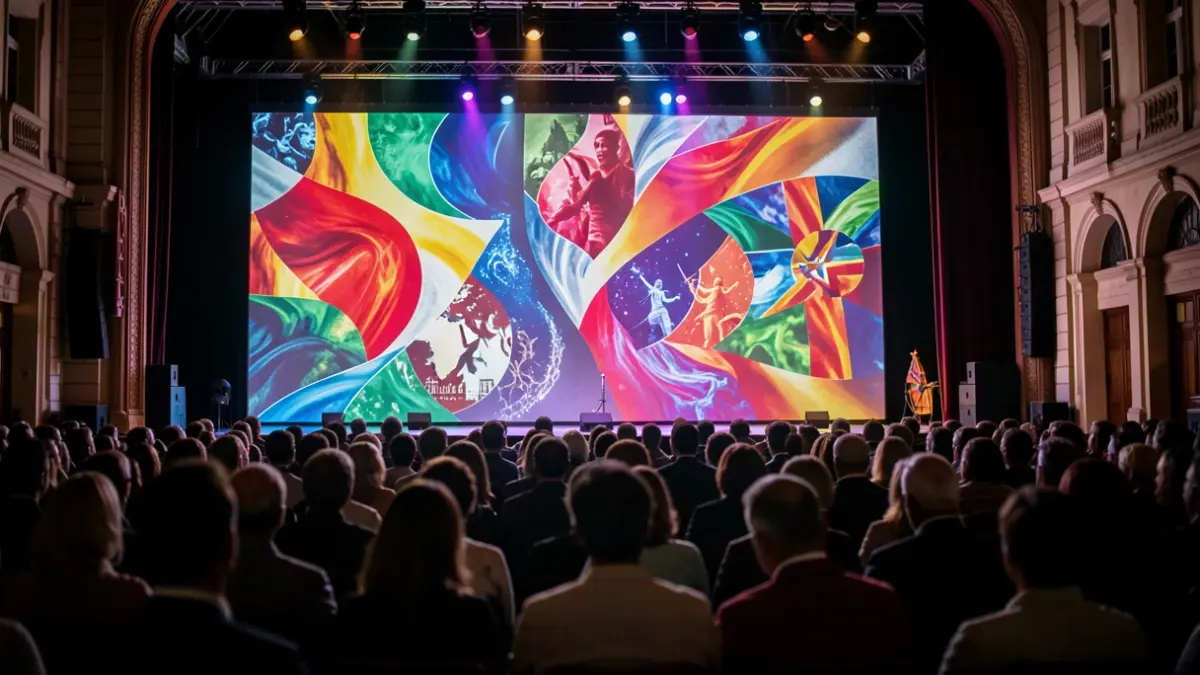
The initiative will feature theatrical and performing arts proposals from different countries, bringing audiences alternative ways of understanding, creating, and experiencing performing arts. The cycle champions cultural diversity and exchange among artists, territories, and spectators, encompassing disciplines such as theater, dance, and contemporary creation.
The Ministry of Culture, led by Rayco León, emphasizes that the goal is to broaden the audience's perspective and enrich the island's cultural offerings by including international productions not typically seen on the Canary Islands' performing arts circuits. "With 'Horizontes Escénicos,' we want Fuerteventura to also be a meeting point between cultures. We want audiences to travel without leaving the island and discover, through the performing arts, other realities, other stories, and other ways of looking at the world," stated a spokesperson.
The program will take place in various performance venues across Fuerteventura, with shows aimed at different audiences. Beyond performances, the cycle aims to foster a space for encounter and dialogue around contemporary creation, strengthening Fuerteventura's connection with artists and companies globally.
Special attention will be given to performing arts from the African continent, leveraging geographical proximity to foster cultural ties and bring African artists' and companies' voices and perspectives to Fuerteventura. The cycle seeks to promote greater understanding of African cultural realities and reinforce Fuerteventura's role as a bridge between continents.
The inaugural performance will be 'Ndjou-Ndjou', a production by Cameroonian choreographer and dancer Ekilibro Noah and the company Obosso. The piece blends hip-hop with Mbali Etoudi, a traditional dance from Cameroon, exploring the intersection of Cameroonian rites and cultural heritage with hip-hop expressions.
The choreographic duet invokes the spirit of Ndjou-Ndjou. Originating from Cameroon, Mbali Etoudi is an acrobatic dance that emerged during the colonial era. Impressed by the similarities between Mbali and hip-hop, choreographer Ekilibro Noah drew from its rhythmic universe to reconnect with his own history and the rituals of his childhood's traditional society.