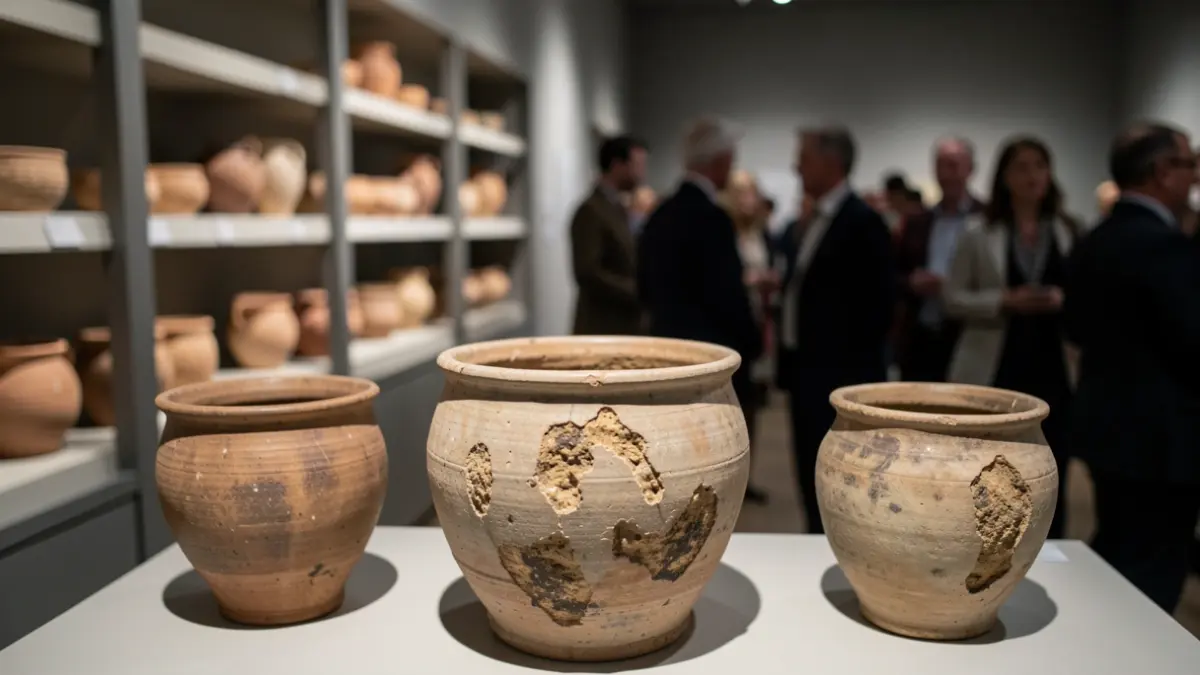
The Fuerteventura Archaeological Museum continues a pioneering research line focused on determining the foods that the island's ancient inhabitants stored and processed in their ceramic containers. Following positive results from an initial phase, fourteen new archaeological pieces from various sites in Fuerteventura have begun to be analyzed.
This initiative seeks to expand knowledge about the diet, economy, and resource use of the Majo people by studying organic residues that have remained adhered to the inside of some vessels over the centuries. The research, which started in 2024, has already identified non-dairy animal fat in two vessels, one dated between the 9th and 11th centuries AD, a significant archaeological find.
The analyses, led by researcher Adrià Breu from the Autonomous University of Barcelona, employ advanced techniques such as gas chromatography and mass spectrometry. The expansion of the study to fourteen additional pieces will provide new information on the daily use of pottery and the foods prepared by the ancient Majos.
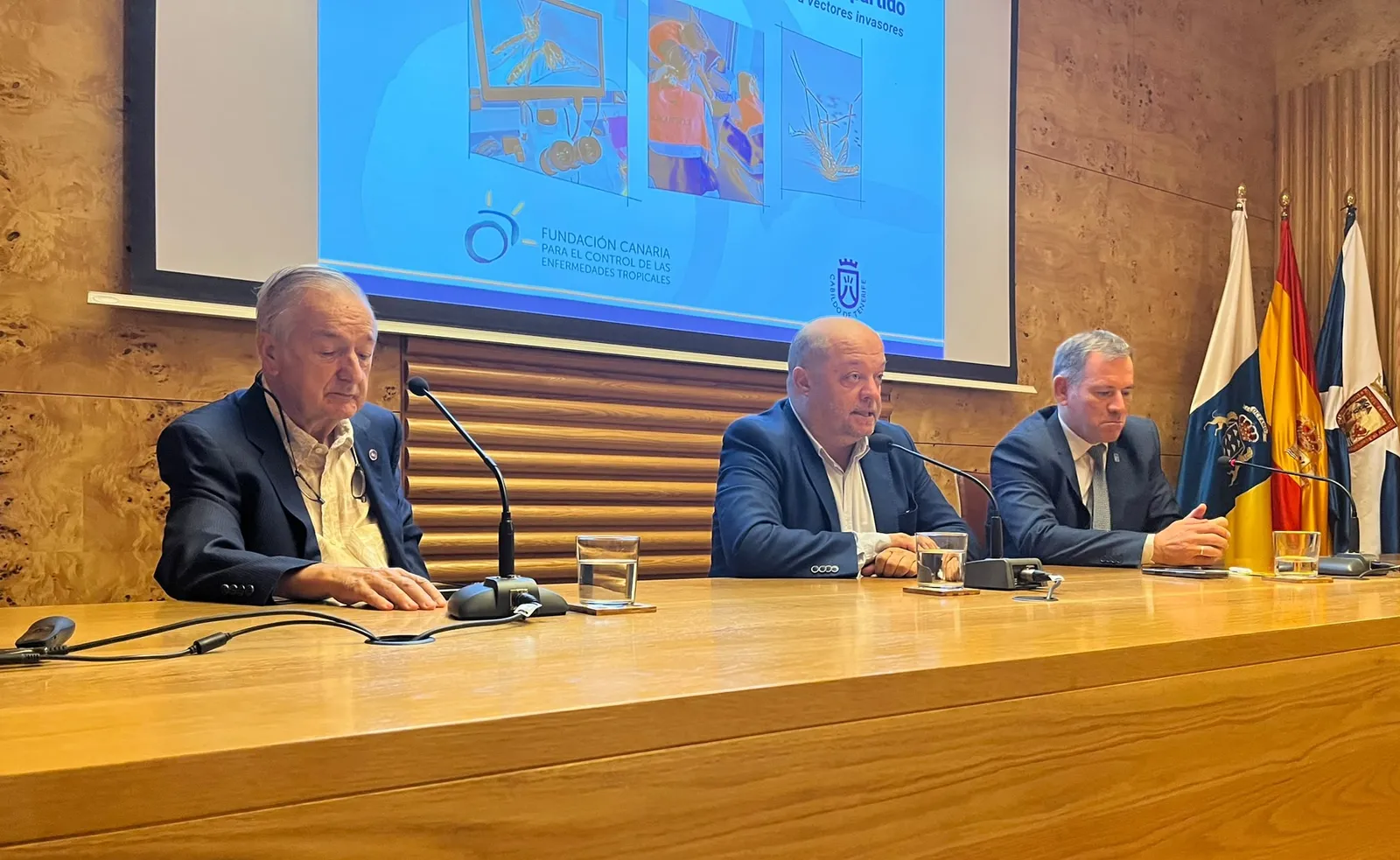
The Minister of Historical Heritage, Rayco León, emphasized the importance of applying new scientific techniques to uncover unprecedented aspects of the past. "Each new finding helps us reconstruct their way of life and better understand how they adapted to such a unique territory as Fuerteventura," he stated.
The identification of these evidences will contribute to deepening the understanding of livestock farming and the integral use of resources, which are key to comprehending the economic and adaptation strategies developed by the Majo people during their occupation of the island.
Sample collection takes place at the Fuerteventura Archaeological Museum, while analyses are conducted in specialized laboratories at the Autonomous University of Barcelona, in collaboration with the radiocarbon dating laboratory BRAMS and the Organic Geochemistry Unit of the University of Bristol.