The proposal, submitted to the Directorate General of Natural Environment, aims to establish a permanent regional strategy for biosecurity and environmental surveillance. The goal is to mitigate the impact of invasive species on beekeeping, pollinators, and the archipelago's biodiversity, according to a statement from the association.
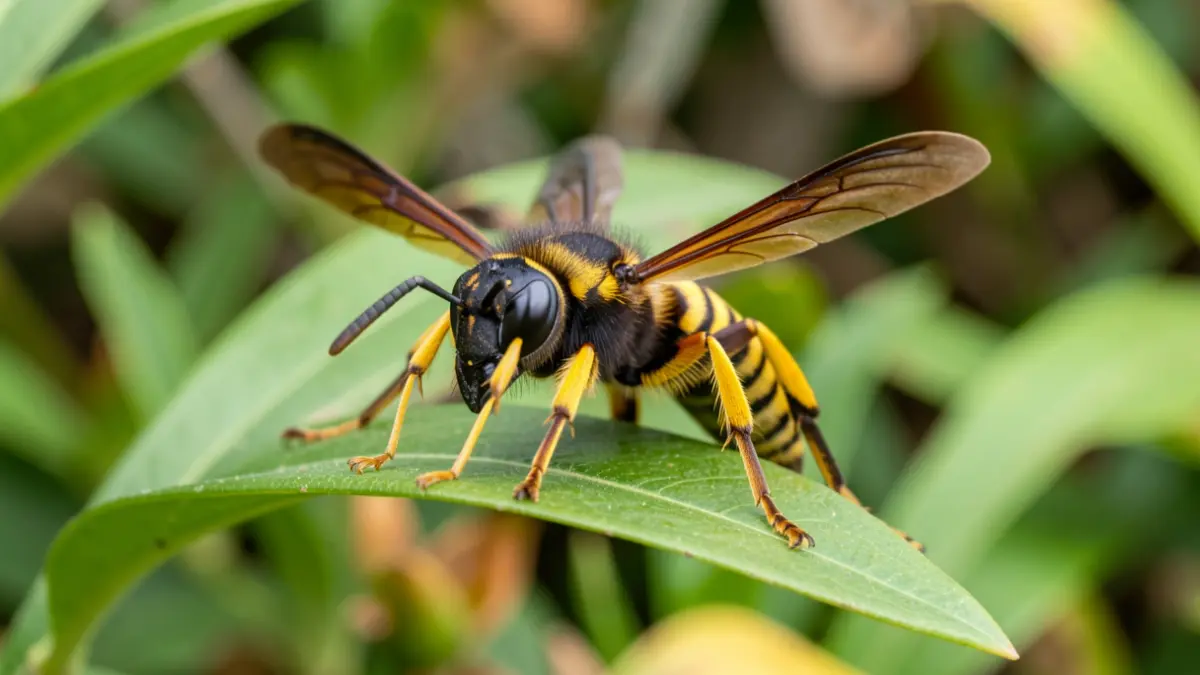
ApiGranca emphasizes the importance of early detection and rapid response, based on European experience, to prevent the establishment and spread of invasive species like the Asian hornet (Vespa velutina nigrithorax). The proposed plan includes the strategic distribution of sentinel apiaries, monitoring systems, rapid response protocols, institutional coordination, and georeferencing tools.
The association highlights the particular vulnerability of the Canary Islands to biological invasions due to their insular nature and the uniqueness of their ecosystems. They stress the ecological importance of the native Black Canary Bee and other endemic wild species, and emphasize that the archipelago is in an early detection phase, making scientific and biosecurity coordination with competent authorities crucial.
On May 21st, the Government of the Canary Islands confirmed the discovery of the first Asian hornet nest in the archipelago, located in the urban area of Las Palmas de Gran Canaria, which contained 93 specimens. Following its removal, traps were installed in nearby parks to locate potential additional nests.
The Executive has called on citizens to report any sightings to 1-1-2 or send photos to the WhatsApp number of the Early Detection Network of Exotic Species (RedEXOS) at 646601457. The Asian hornet, present in Spain since 2010, is distinguished by its large size (up to 3 cm), yellow legs, and a yellow-orange band on its abdomen, differentiating it from the common Canary wasp. Its sting is more painful due to its larger stinger and venom, but its toxicity is similar, with the primary risk being to individuals allergic to stings.