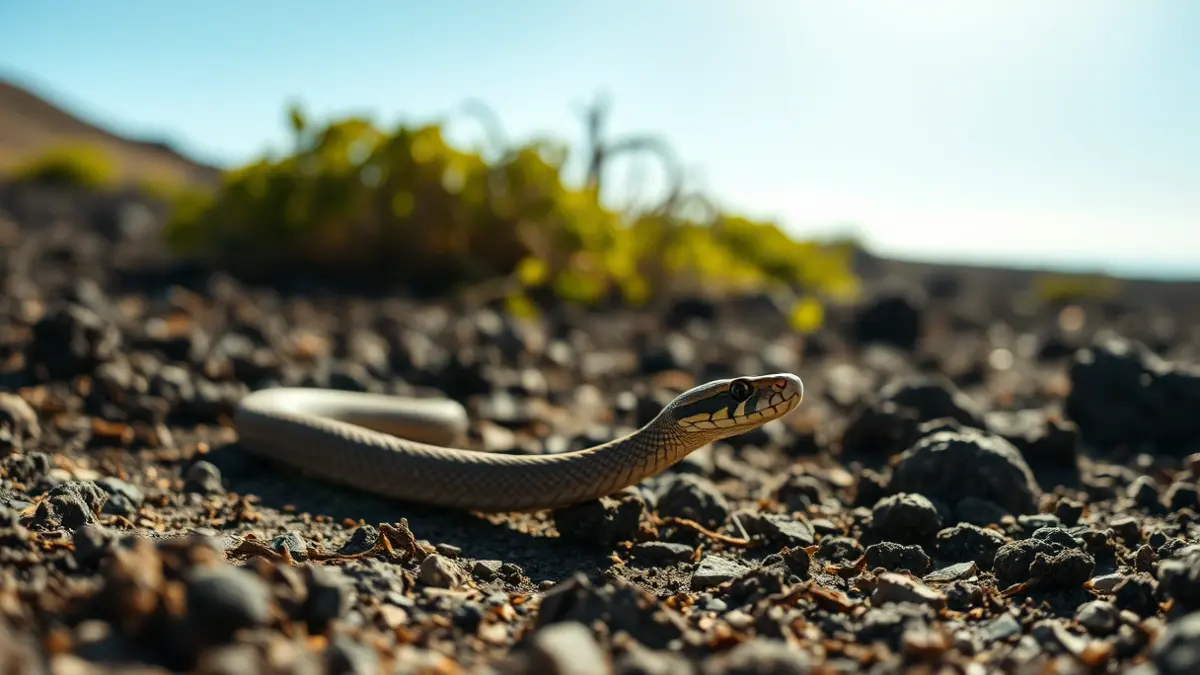
In the first four months of 2026, 607 specimens of this invasive species were removed from the environment, a figure notably lower than the 1,205 captured during the same period in 2025. This data also contrasts with the more than a thousand specimens recorded in 2020 (1,038) and 2021 (1,013), being only comparable to the 634 captures in 2024.
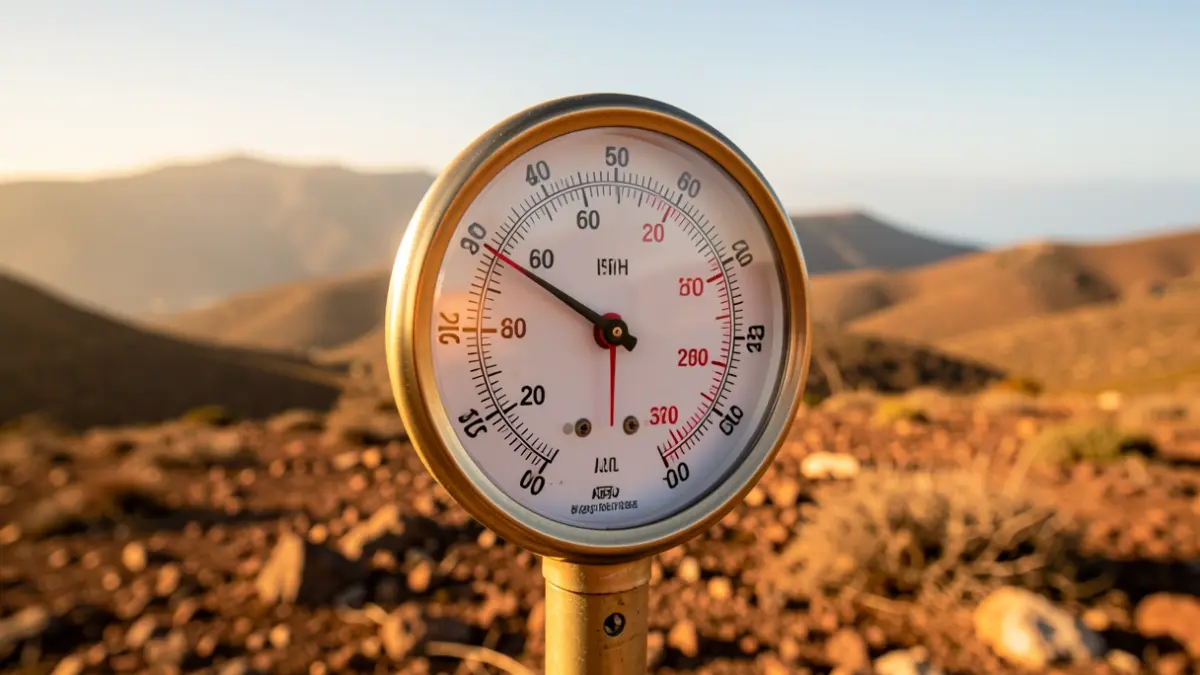
This decrease is not due to a reduction in the snake population, but rather to the cold weather, particularly intense in March of this year, which has kept the reptiles underground longer than usual. During March 2026, only 65 specimens were captured, well below the 382 in 2025 and the 106 in March 2024, which was the worst March of the decade until now.
The capture operation, jointly funded by the Cabildo and Gesplan, activated its annual emergency period on March 28. This reinforcement, coinciding with the peak surface activity period for snakes, includes an additional 40 people this year, bringing the total to 50 personnel, including foremen, operators, canine guides, and technicians.
The increased staff allows for extended public service hours, from Monday to Sunday, 7:00 AM to 9:00 PM, for those who spot or capture a specimen. Additionally, sweeps are intensified in areas with high presence or suspected presence of the species.
Despite the low initial capture numbers during this emergency period, those responsible for the operation are confident that, if climatic conditions improve, 2026 could end with figures similar to previous years. An improvement was already noted in April, with 521 snakes captured, surpassing those of 2024, although still below the 803 of 2025.