The Insular Planning Plan (PIO) for Gran Canaria has faced a significant setback. Initiated to comply with a current law, its processing took so long that by the time it was ready for approval, the original law had been modified and abolished, rendering the plan obsolete and inapplicable.
This outcome evokes regret for the considerable technical effort invested, now wasted. The document, which aimed to define the island's future, is perceived as an extensive and complex text, lacking a vision that reflects the 'soul' of Gran Canaria, understood as the fusion of its inhabitants' lives and collective memory.
The need to value the island's unique nature and heritage is emphasized, calling for leadership that presents concrete proposals. Territorial management is likened to criminal law, advocating for minimal intervention and treatment similar to that required in Civil Law, like a 'diligent family father'.
The text advocates for few and easily understandable territorial laws that encourage custom over imposition. The PIO, criticized for its excessive focus on prohibitions and difficulties, generates disappointment. It proposes a brief instruction manual, following the principle that 'brevity is the attribute of genius,' to foster optimism.
The ideal plan should function as a 'secular catechism,' detailing more actions to be taken than prohibitions. It warns of the risk of falling into a scenario of excessive control, similar to Orwell's 'Room 101,' if it does not focus on moral quality and positive behavior towards the island.
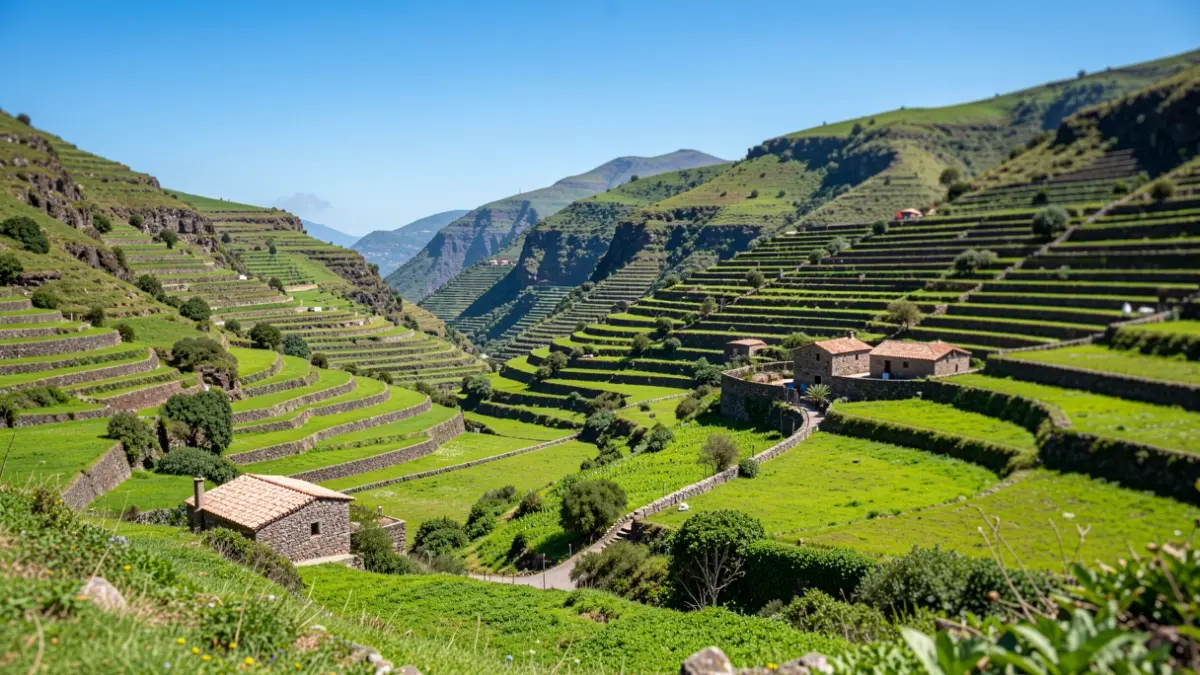
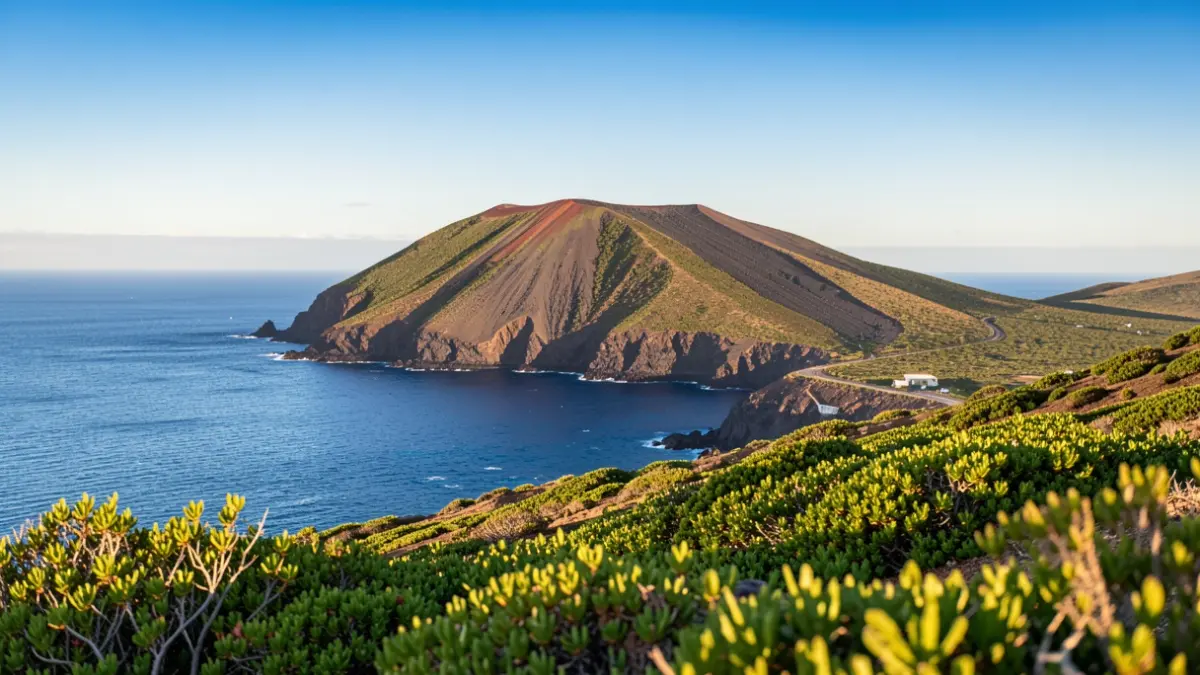
The critique is illustrated with specific examples. At La Laja beach, it is known what cannot be done, but there is a lack of vision on how the city entrance will look. At El Confital, the 'back door' is unknown, and at La Aldea, the 'island's corner.' The lack of incentives to boost the agricultural sector and rural landscape, instead of focusing on restrictions, is questioned.