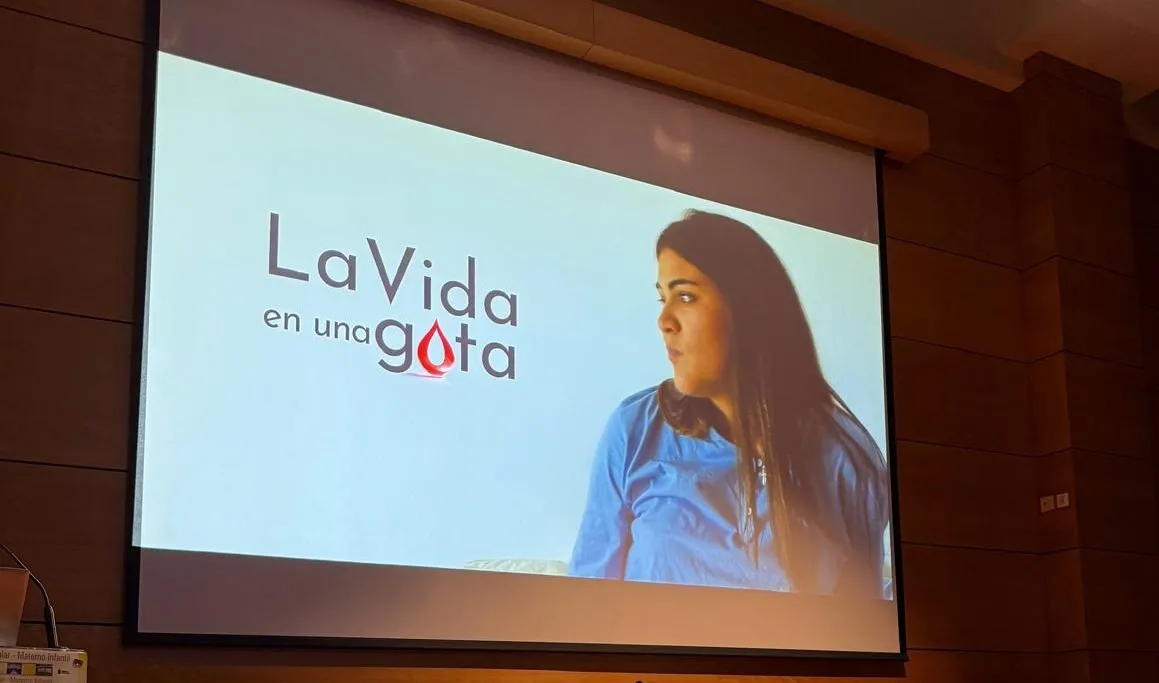
The Canary Islands Health Service (SCS), in collaboration with the Rare Diseases Association +Vísibles, has organized reflection sessions under the theme ‘Life in a Drop, What Changes After Neonatal Screening?’. These sessions aim to raise awareness about the importance of the heel prick test and the consequences of late diagnosis.
The Director General of Assistance Programs, Antonia María Pérez, recalled that the regional neonatal screening program currently includes 49 pathologies, exceeding the figure in the National Health System. The Neonatal Screening of Metabolic Diseases unit at the University Hospital of the Canary Islands (HUC), a regional reference center, has analyzed 11,061 samples so far in 2026.
Neonatal screening involves analyzing a blood sample from the newborn's heel to detect serious diseases before symptoms appear. Early diagnosis can reduce the risk of disability and improve patients' prognosis and quality of life.
Last year, over 300 initial positive samples were detected for at least one of the diseases included in the program, such as cystic fibrosis, sickle cell anemia, congenital hypothyroidism, and phenylketonuria. These cases were referred to the three reference clinical units of the Canary Islands public hospital network.
The sessions were attended by Pedro Lendínez, president of the +Visibles Association, managers from university hospitals in Tenerife and Gran Canaria, specialists in Clinical Biochemistry, and Pediatrics professionals. Debate panels were held to highlight advances in early detection and the importance of coordinated work.