
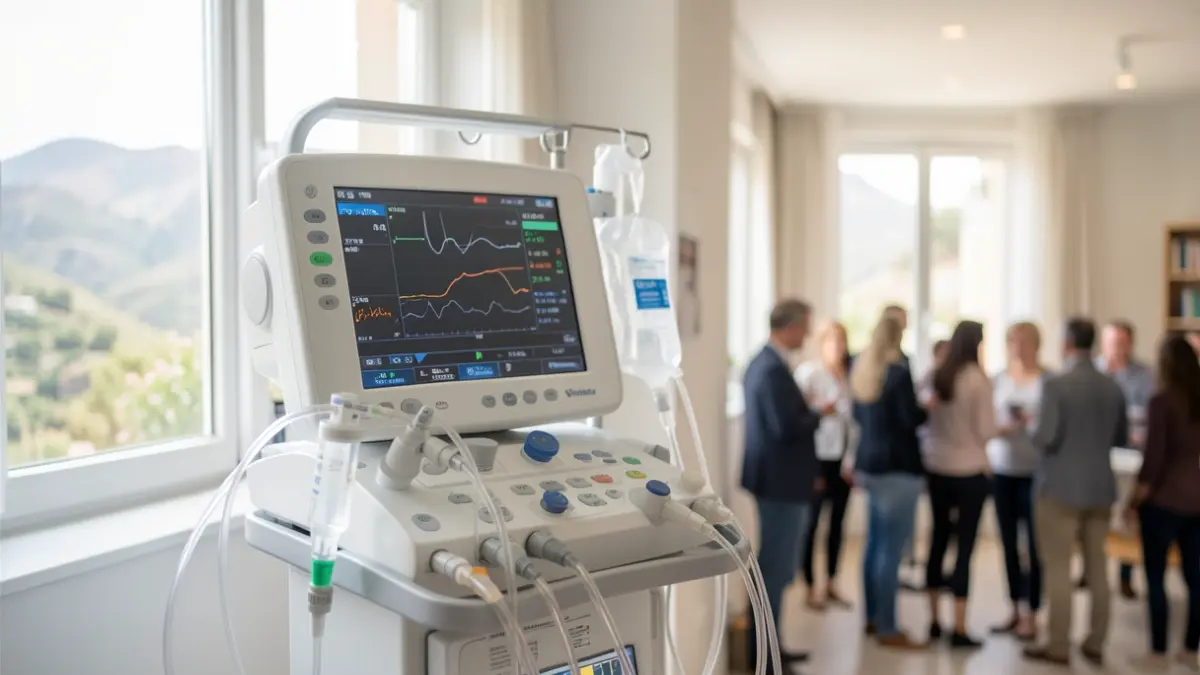
The contract, with a duration of forty-eight months, will be awarded through an open bidding procedure and aims to ensure the continuity of home dialysis and hemodialysis treatments for patients with chronic kidney failure who meet the requirements and have no medical contraindications, as determined by the Nephrology Service of the Hospital Universitario Insular de Gran Canaria.
The service will advise and recommend the most suitable treatment for each patient, respecting their choice and considering their specific clinical and socio-sanitary characteristics. Home dialysis techniques have demonstrated excellent results in terms of patients' quality of life and survival, while also offering a favorable cost-effectiveness ratio compared to hemodialysis in hospital centers. This aligns with the goal of healthcare systems to bring treatment closer to patients' environment, preferably at home, to avoid travel.
Dialysis is used as a renal replacement therapy for people with kidney failure, to remove toxins and excess water from the blood. Chronic kidney disease is usually not reversible, so dialysis is considered a waiting measure until a kidney transplant can be performed or, in some cases, as the only support measure when transplantation is not indicated. Hemodialysis, on the other hand, is a technique for extracorporeal blood purification that partially substitutes renal functions for excreting water and solutes and regulating acid-base and electrolyte balance.