The award recognises the scientific contribution of research focused on the study of stone tools made by the ancient populations of Gran Canaria, with special attention to identifying their uses and functions. The proposal fits within the objectives of this call, which seeks to promote work that contributes to reflection and the study of historical and archaeological heritage linked to the field of knowledge of the Cueva Pintada Museum and Archaeological Park and its surroundings.
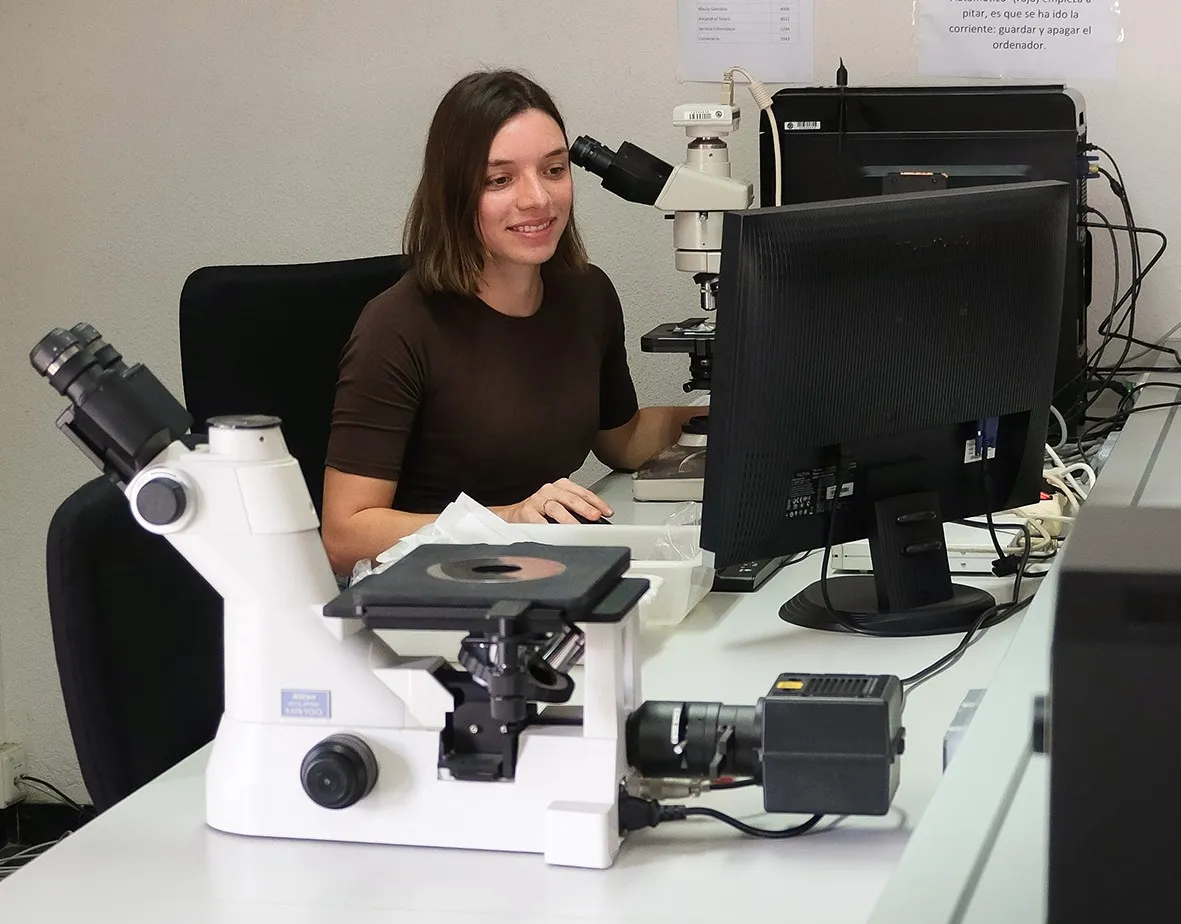
The awarded research addresses the functional analysis of stone tools carved from rocks and volcanic glass, materials fundamental to approaching the technological and economic practices of the indigenous societies of Gran Canaria. Through the study of use traces present in these instruments, the research allows progress in identifying the activities for which they were manufactured and used, as well as in understanding the strategies for exploiting resources available in the island territory.
Functional and traceological analysis constitutes a particularly relevant path for archaeology, as it allows going beyond the morphological description of objects and approaching the daily activities of the communities that made them. The study of marks and alterations preserved on the surfaces of the tools provides information about the work of different raw materials and about the technical knowledge developed by these populations.
Brito Abrante's research falls within a line of work that combines experimental archaeology with traceological analysis to reconstruct the manufacturing and use processes of lithic instruments. Her scientific career has focused especially on tools made from obsidian and other volcanic rocks, with the purpose of deepening the technological practices and production modes of the Canarian indigenous societies.
Among her scientific contributions is also the identification of the first known evidence of the use of a stone sickle during the indigenous period of the Canary Islands, from the analysis of tools recovered in a cave complex at Roque Bentayga, in Gran Canaria. This discovery has allowed an expansion of knowledge about the agricultural practices of the ancient island communities and their ways of exploiting plant resources.
The Cueva Pintada Research Award is one of the initiatives promoted by the museum centre to foster scientific knowledge and promote new research on the past of Gran Canaria. Its purpose is to recognise the work of researchers who, individually or in teams, contribute to the study of the subjects and chronological arc linked to the Cueva Pintada Museum and Archaeological Park, as well as supporting research in the fields of History, Archaeology, Museology, and Conservation of Cultural Property.
The jury for the 2026 call was chaired by Dr Cristo Manuel Hernandez Gomez, permanent labour professor in the Prehistory Area at the University of La Laguna. The panel included Dr Paloma Vidal Matutano, permanent labour professor in the Prehistory Area at the University of La Laguna, and Dr Pedro Gonzalez Quintero, associate professor in the Historical Sciences Area at the University of Las Palmas de Gran Canaria. Jose Ignacio Saenz Sagasti, director of the Cueva Pintada Museum and Archaeological Park of the Gran Canaria Council, acted as secretary.