The Department of Universities, Science, Innovation and Culture of the Government of the Canary Islands, via the Canary Agency for Research, Innovation and Information Society (ACIISI), held the closing event for NextAgora 2026 on October 14th. This program involved 23 young individuals from the public universities of the Canary Islands, who explored new professional development opportunities alongside 23 mentors from outside the academic sphere.
The event, held at the facilities of the Technological Institute of the Canary Islands (ITC) in Pozo Izquierdo, Gran Canaria, marks the end of the third edition of this initiative. NextAgora aims to connect research personnel with the business sector and other professional fields where their knowledge and skills can be applied.
Over three months, the program facilitated 23 mentoring pairs, bringing together pre- and post-doctoral researchers from the University of La Laguna (ULL) and the University of Las Palmas de Gran Canaria (ULPGC) with professionals from various business sectors. These mentors shared their experiences and provided guidance on career possibilities beyond academia.
The mentorship combined individual meetings with online group sessions, where participants could share their progress, exchange experiences, and reflect on the competencies and skills needed to face new professional challenges such as scientific entrepreneurship, transition to the private sector, professional specialization, or leading innovation teams.
Javier Franco Hormiga, director of ACIISI, stated that "research training provides knowledge and skills applicable in different work environments. Learning about other professional paths and experiences with people from diverse sectors helps identify possibilities not always considered during university studies."
Franco Hormiga also emphasized the importance of this exchange: "Critical thinking, creativity, and problem-solving are core research competencies with applications in numerous professional fields. Mentorships offer firsthand insight into how these skills are utilized outside the academic setting."
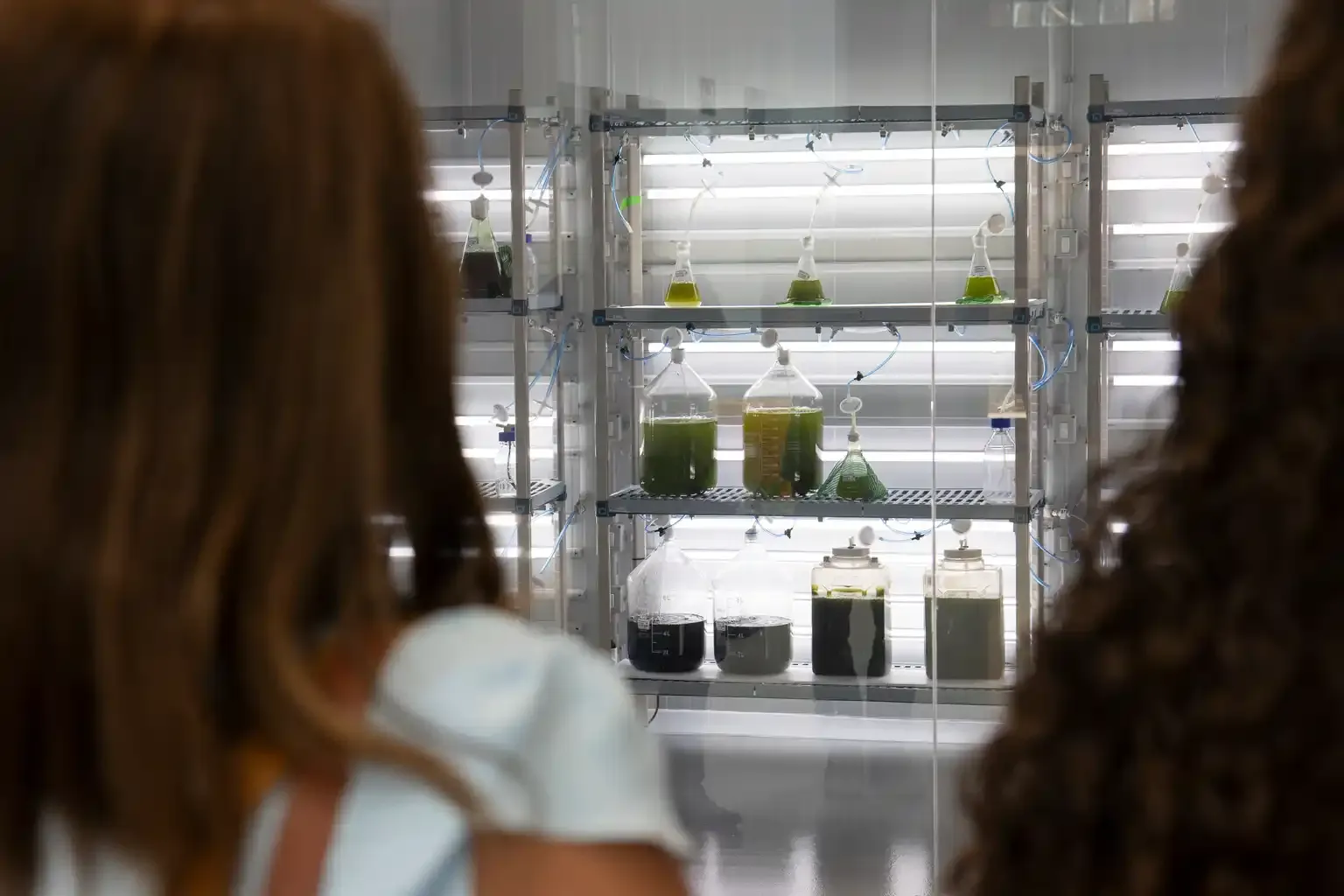
The closing event began with an institutional welcome and a tour of the ITC facilities, led by its R&D+i director, Gonzalo Piernavieja Izquierdo. Subsequently, the results and learnings of NextAgora 2026 were presented, with a session dedicated to sharing experiences from the three months of mentorship.
Participants shared their experiences, reflecting on the acquired competencies, identified professional opportunities, and the knowledge exchange between academia and other sectors.
NextAgora follows the REBECA methodology, linked to the European network EURAXESS, which promotes professional guidance for researchers and facilitates awareness of job opportunities in sectors beyond academia.
The event concluded with an exchange of impressions focused on the edition's learnings and the various professional development possibilities explored.