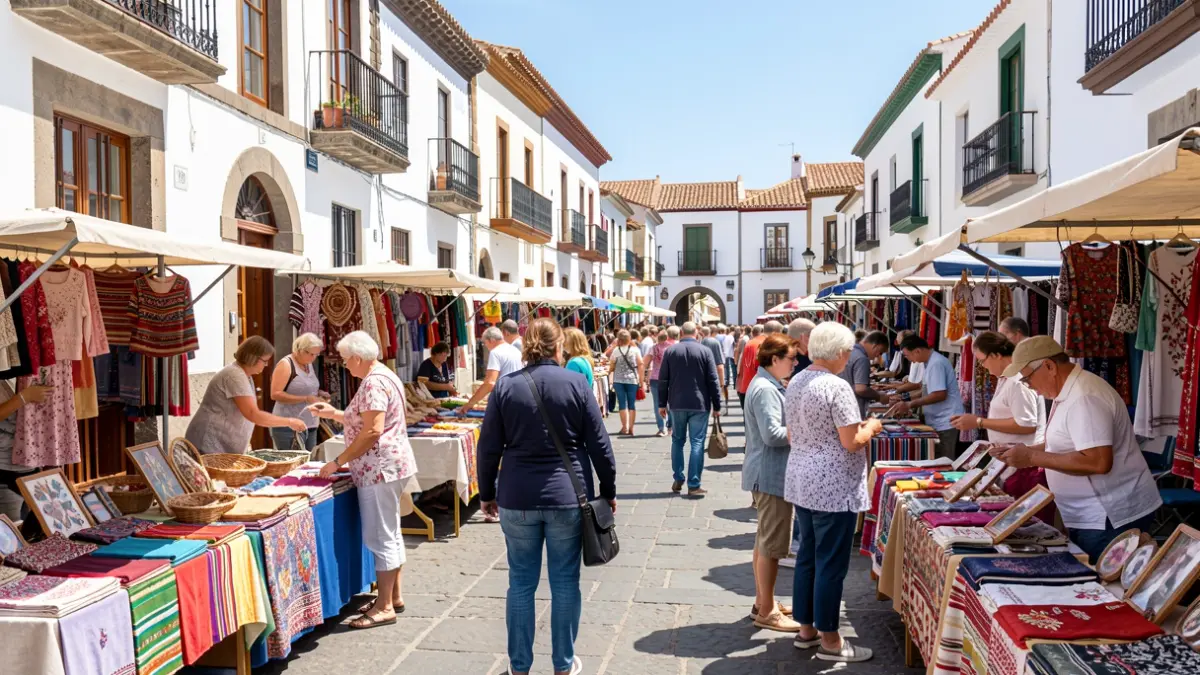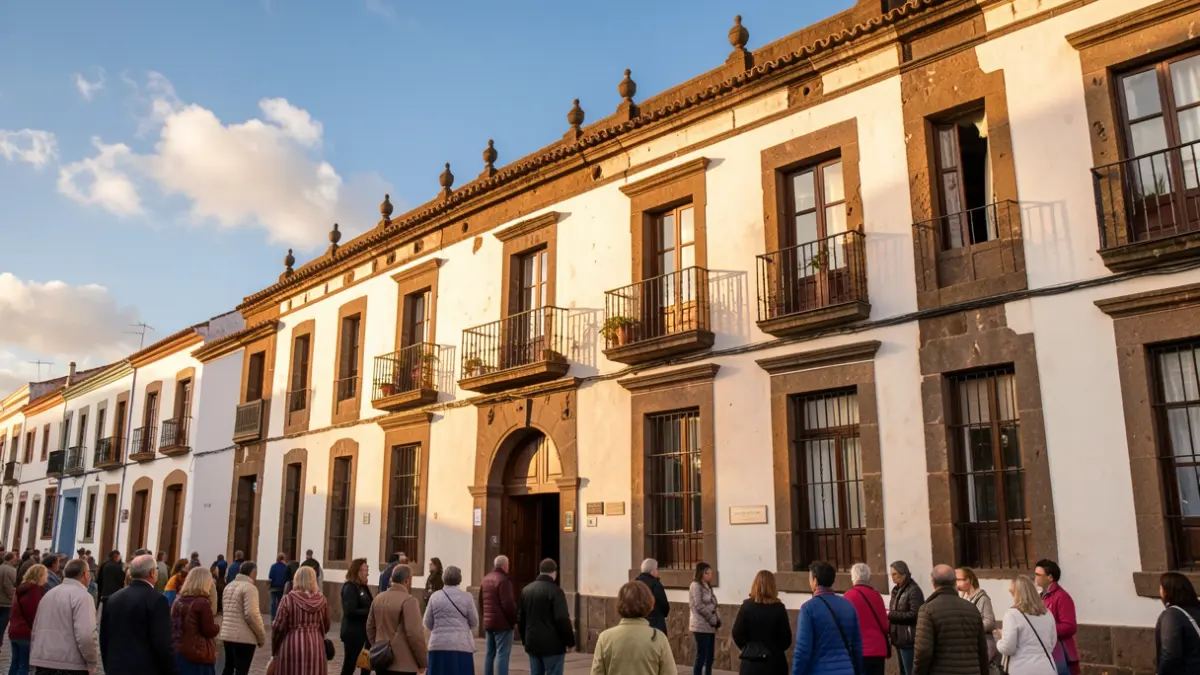
The date of May 30th holds special significance, recalling the commencement of self-government in the Canary Islands 43 years ago with the first session of the Parliament of the Canary Islands. This milestone initiated a path towards greater autonomy for the Archipelago, enabling decision-making closer to its people and the defense of its unique characteristics.
Since that day, the Canary Islands have undergone significant transformation, consolidating its institutions, improving public services, expanding rights, and modernizing infrastructure. The Archipelago has established itself on the economic, tourist, and social map of Spain and Europe, demonstrating increased preparedness and capacity to face contemporary challenges.
However, Canary Islands Day also serves as a call for reflection and commitment. Despite economic growth, the current reality reveals disparities in wealth distribution, marked by structural poverty, insufficient wages, and difficulties in accessing housing. Bureaucracy also presents an obstacle for those most in need of solutions.
The primary challenge for the current stage is to promote qualitative growth, focused on improving citizens' daily lives. This involves facilitating youth emancipation, ensuring working families do not allocate the majority of their income to rent, expediting care for the elderly, and guaranteeing that residing on any of the islands does not limit life opportunities.
Self-government has proven its utility in improving the lives of Canarians and must continue on this path, requiring political stability, common sense, and the capacity for agreement. Effective decisions, budget execution, housing construction, reduction of waiting lists, and the generation of real employment and well-being are prioritized.
Furthermore, it is crucial to defend the unique status of the Canary Islands as an ultra-peripheral region, distant from the mainland and facing inherent surcharges due to its insularity. The consolidation of the Economic and Fiscal Regime (REF) and new regional financing, along with specific fiscal measures, are key to territorial justice.
The future of the Canary Islands hinges on economic diversification, without abandoning tourism but seeking to generate greater social value from it, protecting the primary sector, accelerating the energy transition, managing demographic growth, addressing migration humanely and with shared responsibility, and ensuring territorial cohesion is a measurable policy, not just a phrase.
In summary, this May 30th serves as a reminder of the goal for a fairer, more balanced, sustainable Canary Islands, capable of converting its growth into real opportunities for all. After forty-three years, self-government has been beneficial, although significant achievements remain to be attained.