The regional executive has defended the importance of preserving these territories' capacity to produce their own food and contribute to European supply, especially in an international context marked by war conflicts, market instability, and the risk of supply chain disruptions.
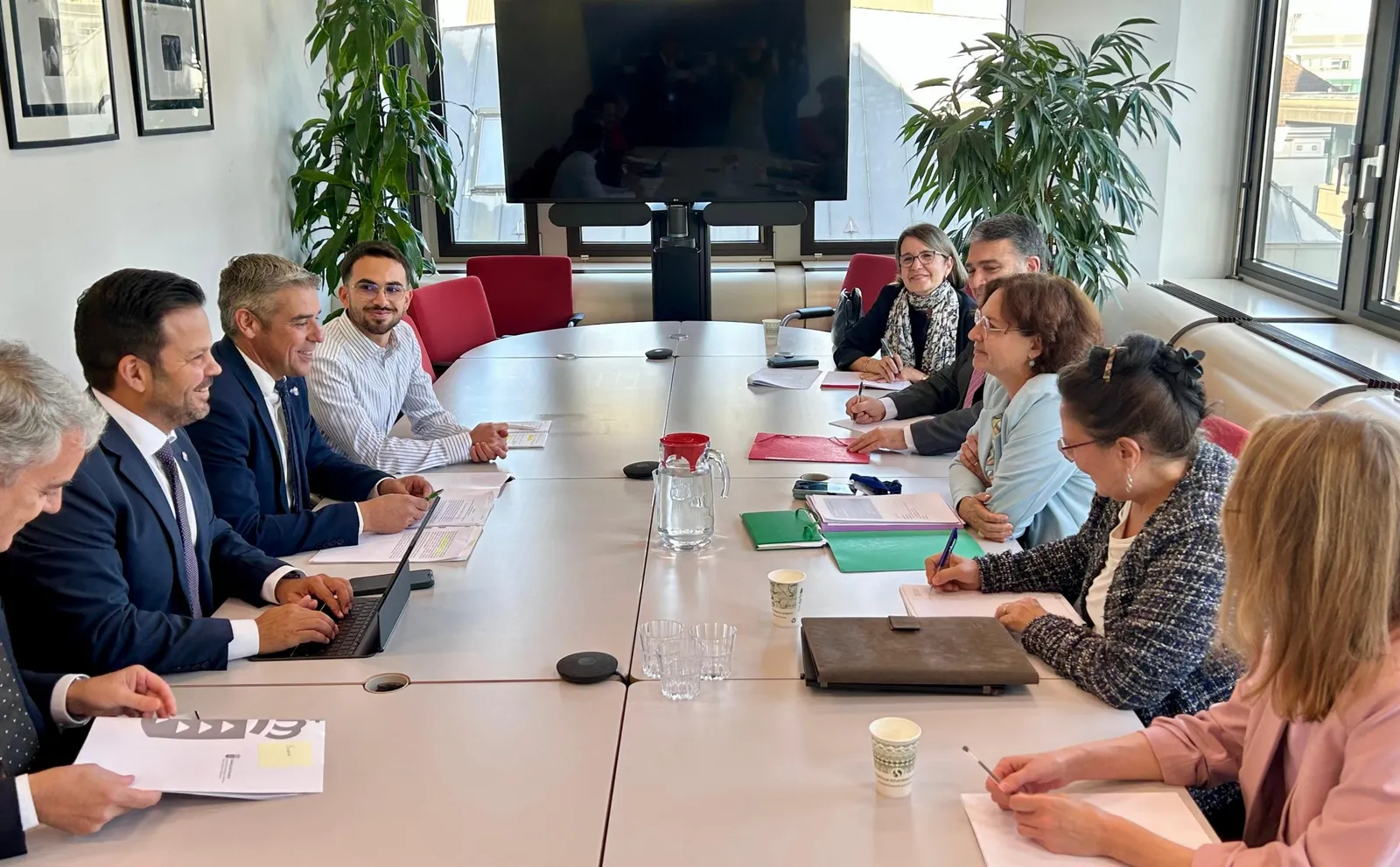
During the meeting, held this Wednesday, October 14, Quintero presented the conclusions of a study by the Government of the Canary Islands on the strategic risks facing the islands' agricultural sector and their consequences for food security. The study highlights the increase in production costs, the loss of cultivated land and farms, difficulties in generational renewal, and growing dependence on agri-food imports.
Quintero noted important points of agreement, such as maintaining support for the agricultural reconstruction of La Palma after the volcanic eruption, establishing specific regulations for outermost regions, and administrative simplification. However, two fundamental issues remain pending: guaranteeing a dedicated financial envelope for the next seven years and ensuring POSEI maintains its direct link with the European Commission.
The minister emphasized that in an increasingly unstable international context, Europe needs to preserve its production capacity across all its territories. In the Canary Islands, maintaining agriculture and livestock capable of supplying the population is a strategic issue affecting society as a whole, helping to reduce vulnerability to supply crises and contributing products to the European market.
The presented report analyzes the evolution of the Canary Islands' agricultural sector, its sustainability challenges, the rise in costs (energy, water, fertilizers, feed) exceeding those in mainland Spain, and the low profitability of farms, while POSEI funding has remained unchanged. The dependence on imports and low self-sufficiency levels are highlighted.
The analysis concludes that the continuity and strengthening of agricultural activity are strategic necessities for the Canary Islands, ensuring food supply, preserving employment, territory, and rural economic activity. The importance of updating European compensation to support existing farms, promote local production growth, and enhance the Archipelago's resilience is stressed.
The Canary Islands government has insisted that the next Multiannual Financial Framework (2028-2034) guarantee the continuity of the Programme of Specific Options relating to Remoteness and Insularity (POSEI), with its own identity, specific funding, and updated allocation. POSEI is a key instrument for compensating the extra costs of remoteness and maintaining agricultural activity.
Furthermore, it has been proposed that the specificities of the outermost regions be considered in future European instruments for preparing and responding to potential food crises, addressing the particular risks these territories face due to their dependence on maritime transport.
Quintero recalled Article 349 of the EU Treaty on the Functioning of the European Union, which recognizes the structural constraints of ORs and allows for specific compensatory measures, ensuring food production and contributing to a more crisis-prepared Europe.
During the meeting, progress on the recovery of agricultural holdings in La Palma affected by the volcanic eruption and the regulatory measures being prepared to facilitate the reconstruction of productive areas buried by lava were also discussed.