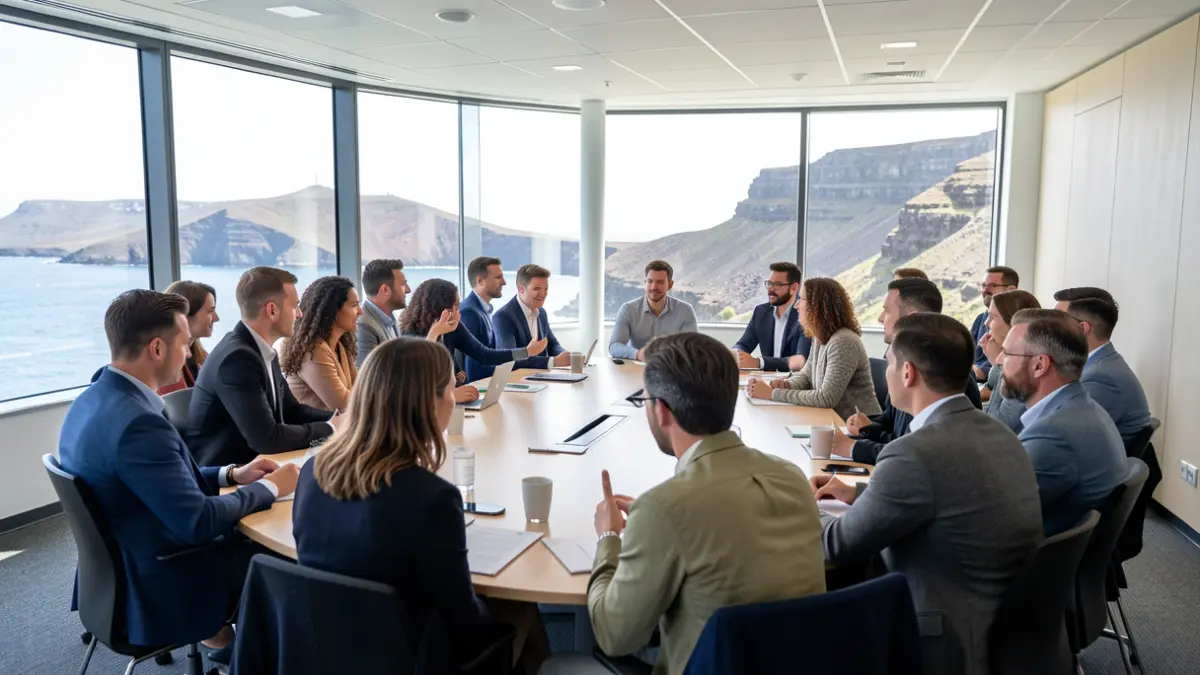
The president of the La Palma Island Council, Sergio Rodríguez, held an institutional meeting with the president of Baleària, Adolfo Utor Martínez, to analyze the new scenario for maritime transport in the Canary Islands following the recent acquisition of Naviera Armas Trasmediterránea by the Valencian company. The meeting also included the insular transport counselor, Darwin Rodríguez, and Baleària's general director, Georges Bassoul.
Rodríguez conveyed to Utor the Council's commitment to establishing a fluid and permanent relationship with Baleària, aiming to defend La Palma's interests and ensure efficient, competitive maritime services adapted to the island's unique characteristics.
Maritime transport is an essential infrastructure for La Palma. Our priority is to guarantee that both goods and passengers have reliable, agile, and competitive connections, as economic activity, supply, and the competitiveness of our productive sectors depend directly on it.
The Council emphasized the need to reinforce the Island's logistical capacity, improve the operational flexibility of cargo services, and ensure planning that effectively meets the demands of La Palma's business community.
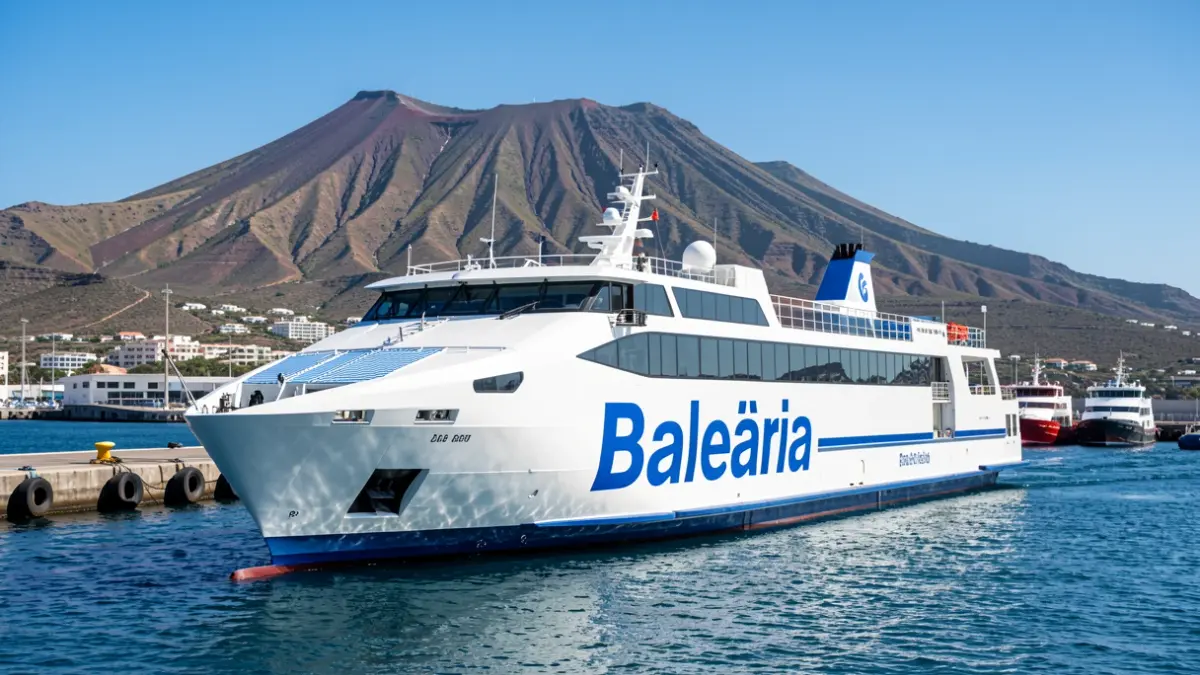
For its part, the president of Baleària outlined the company's roadmap in the Canary Islands post-integration of Armas Trasmediterránea, an operation that will position the shipping line as a major operator in the Archipelago. Strategic objectives include fleet modernization, the use of sustainable fuels, digitalization of services, and improved operational efficiency. The company has shown sensitivity towards the non-capital islands and a willingness for ongoing dialogue with local administrations.
This new institutional relationship is strategically important for the economic recovery of La Palma, where maritime connectivity is crucial for supply, mobility, and strengthening sectors such as agriculture, commerce, industry, and tourism. Both parties agreed to maintain open communication channels to continuously assess the Island's operational needs and explore future collaborations.