With the latest fieldwork campaign on the island, all assets linked to the former industrial and manufacturing activities of the Canary Islands are documented. This project culminates the cataloging of the archipelago's industrial heritage, with La Palma being the last island awaiting inventory.
The document compiles detailed information on the history, use, conservation status, and recovery proposals for unique elements with historical, technological, social, architectural, or scientific value. Dr. in Art History, Amara Florido, is responsible for these inventories across the seven islands.
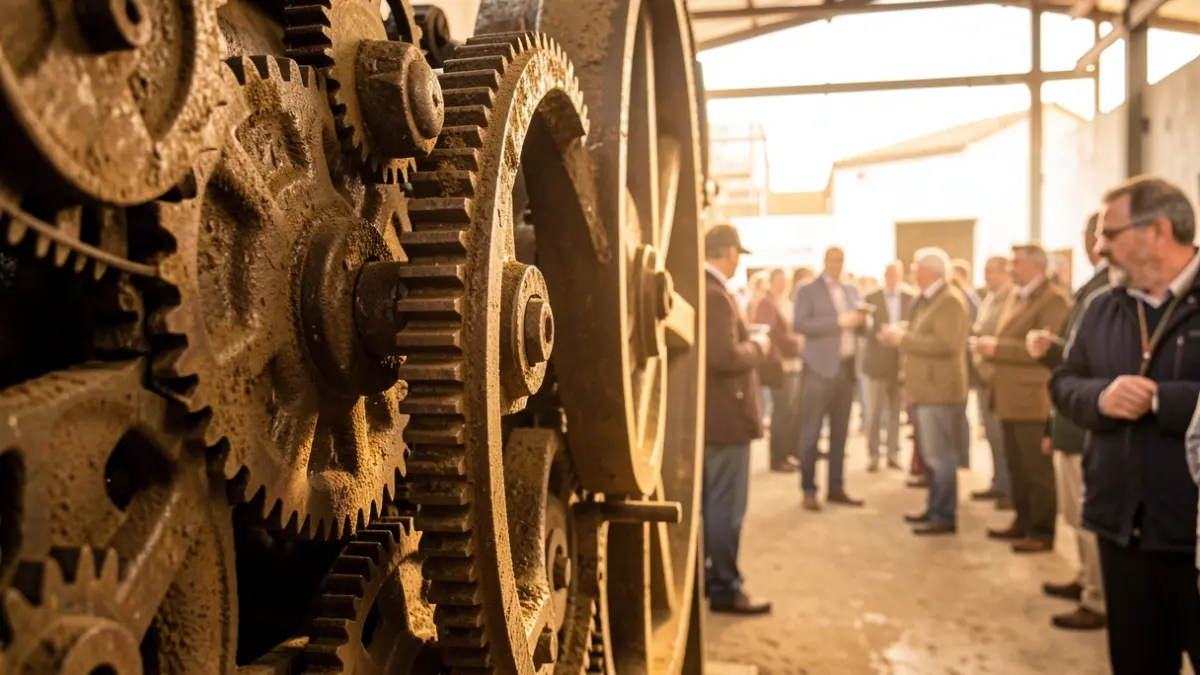
One of the included properties is the former Almacén de Yanes, located at the entrance to the Port of Tazacorte. During the fieldwork, Florido was accompanied by the Director General of Culture and Cultural Heritage, Miguel Ángel Clavijo; the Councilor Miriam Perestelo; and the Mayor of Tazacorte, David Ruiz.
Miguel Ángel Clavijo highlighted that the document is "the first step for the management, protection, conservation, and dissemination of such fragile and invisible assets," adding that the information is of great relevance to citizens, as it represents "the recent socioeconomic history of the archipelago." The catalog for La Palma will be publicly available next year.
Miriam Perestelo emphasized the collaboration of the Cabildo of La Palma in the process and noted that the initiative "represents a unique opportunity for the island, as it will allow us to know and protect a heritage that is an essential part of our identity."
The Mayor of Tazacorte, David Ruiz, thanked the Government of the Canary Islands for its firsthand interest in the municipality's heritage values, especially regarding the recovery of the Almacén de Yanes as a local symbol.
Amara Florido explained that industrial heritage, a young and little-known typology, encompasses elements from the late 19th to mid-20th centuries, including the agri-food, construction, transport, and water collection industries, among others.
In La Palma, assets related to export agriculture, mills, bakeries, and carpentry workshops stand out. Singular elements include the chimney of an old soap factory in El Paso and an aerial cableway from the 1930s for transporting bananas.
The Almacén Yanes, built in 1925, is considered one of the most important assets of the industrial architectural heritage of the Canary Islands. Originally used for packaging agricultural products and distilling alcohol, it was fundamental to the island's economy and is part of the collective memory.
This project aligns with the Government of the Canary Islands' commitment to preserving the archipelago's historical legacy, in compliance with Law 11/2019 on Cultural Heritage of the Canary Islands.