The main objective of this initiative is to actively involve young people, aged between 14 and 35, in identifying their real needs and proposing concrete solutions to prevent and address unwanted loneliness, a psychosocial risk factor affecting between 30% and 35% of young people aged 18 to 24 on the islands.
The Deputy Minister of the President's Cabinet, Octavio Caraballo, highlighted that the project aims to detect mismatches between youth needs and the current offer of public and community services. He stressed that the insular and fragmented nature of the Canary Islands, along with mobility difficulties, housing access issues, and youth job precarity, can exacerbate this situation.
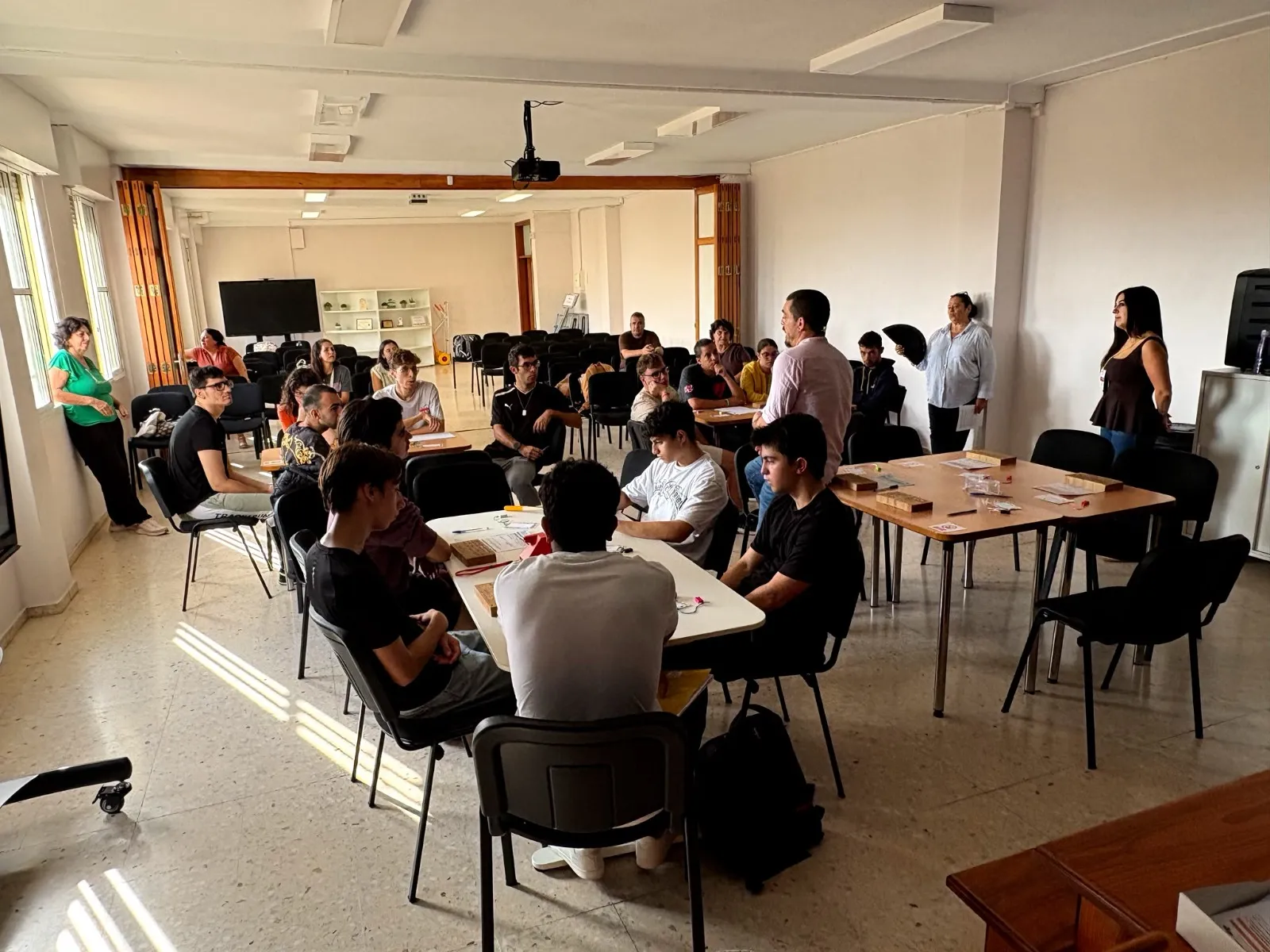
The working sessions include dynamics for different youth profiles, such as students, individuals from rural areas, or those in situations of precarity or relational disconnection. Professionals and young people will collaborate to build shared definitions of unwanted loneliness.
The choice of Tenerife and La Palma will allow for the analysis of the impact of different environments: a capital island with complex dynamics and high population density, versus an island with lower density and closer community dynamics.
Caraballo emphasized the importance of giving voice to youth so they can express their reality and needs regarding this "emerging, tremendously complex phenomenon," seeking joint responses to improve their personal, professional, and social well-being.