With just over a year until the next elections, the discussion about La Palma's tourism model has gained prominence. While the Canarian tourism model shows signs of exhaustion, with stagnant wages and public services at their limit, the island is attempting to replicate a similar scheme. The central question is not whether La Palma should embrace tourism, but what kind of tourism is desired and for whom, directly impacting the island's way of life and landscape.
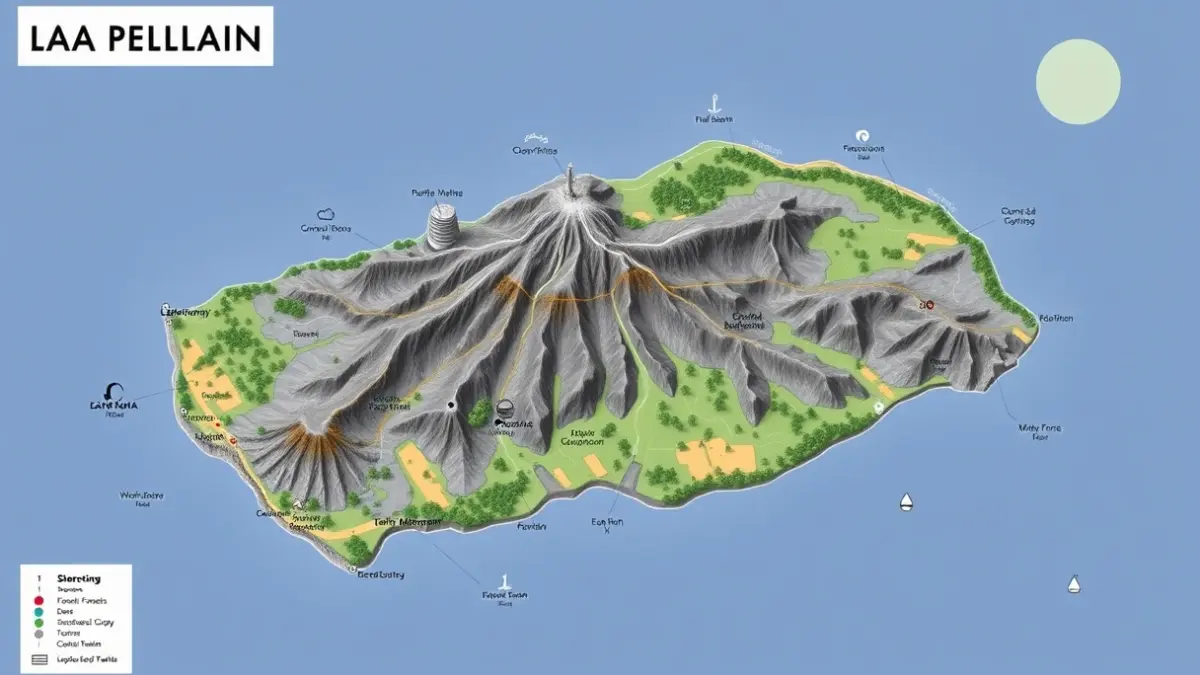
Tourism planning in La Palma has been extensive but with limited results. From the 1974 Island Spatial Planning Plan, which shaped the tourist centers of Los Cancajos and Puerto Naos, to the 2019 Green Islands Law, successive plans have failed to achieve their objectives. Despite sixty years of planning, La Palma's contribution to total Canarian tourism was only 2.8% in 2017, significantly lower than islands like Lanzarote and Fuerteventura.
“"The current tourism model is not suitable for the island. It is necessary to review how we evaluate tourism success, focusing on the positive impacts that the activity can and should generate in the destination."
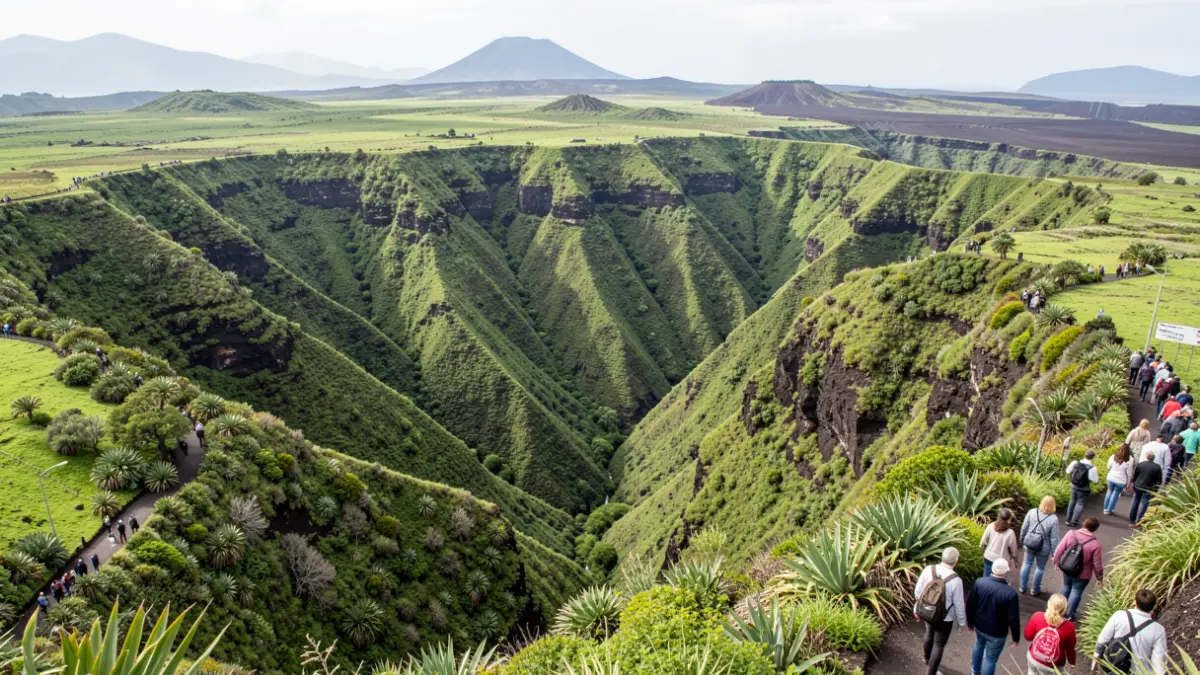
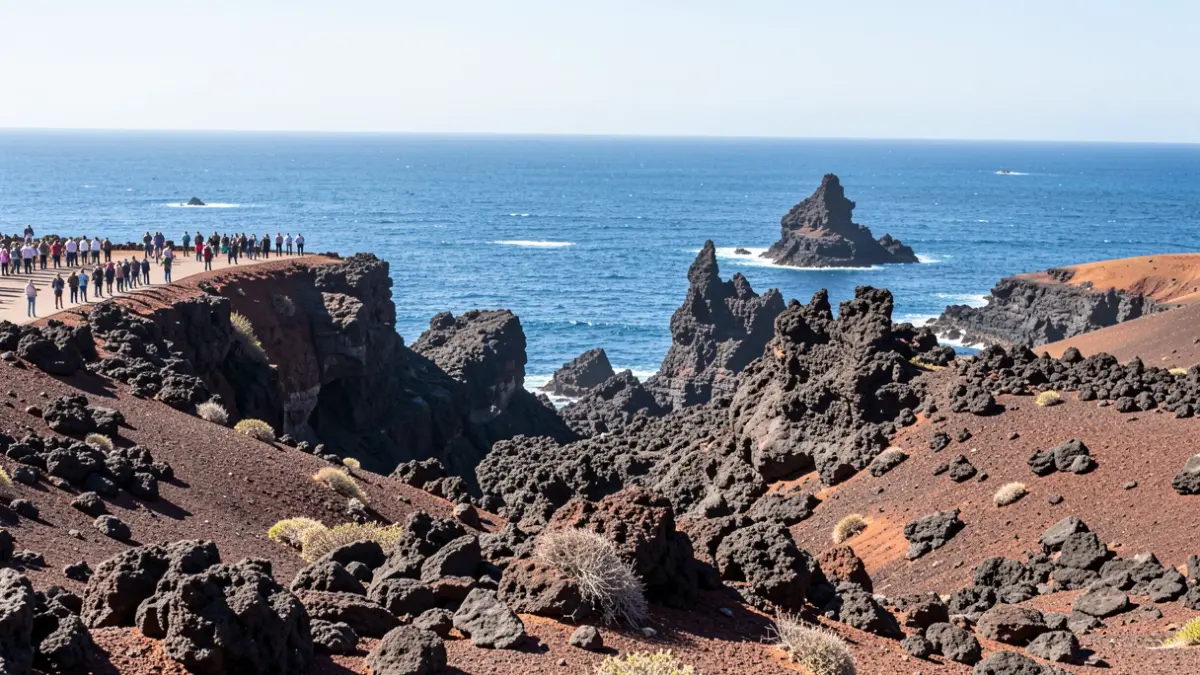
The profile of visitors to La Palma values landscapes, tranquility, and the absence of crowds, showing high environmental sensitivity. The island boasts unique tourist assets such as the World Biosphere Reserve, the Roque de los Muchachos (recognized by the La Palma Sky Law for astronomy), the volcanic geopatrimony of Tajogaite, and laurel forests. These elements suggest that La Palma should not compete in mass sun and beach tourism, but rather differentiate itself in high-value niches such as scientific, ecological, cultural, and gastronomic tourism.
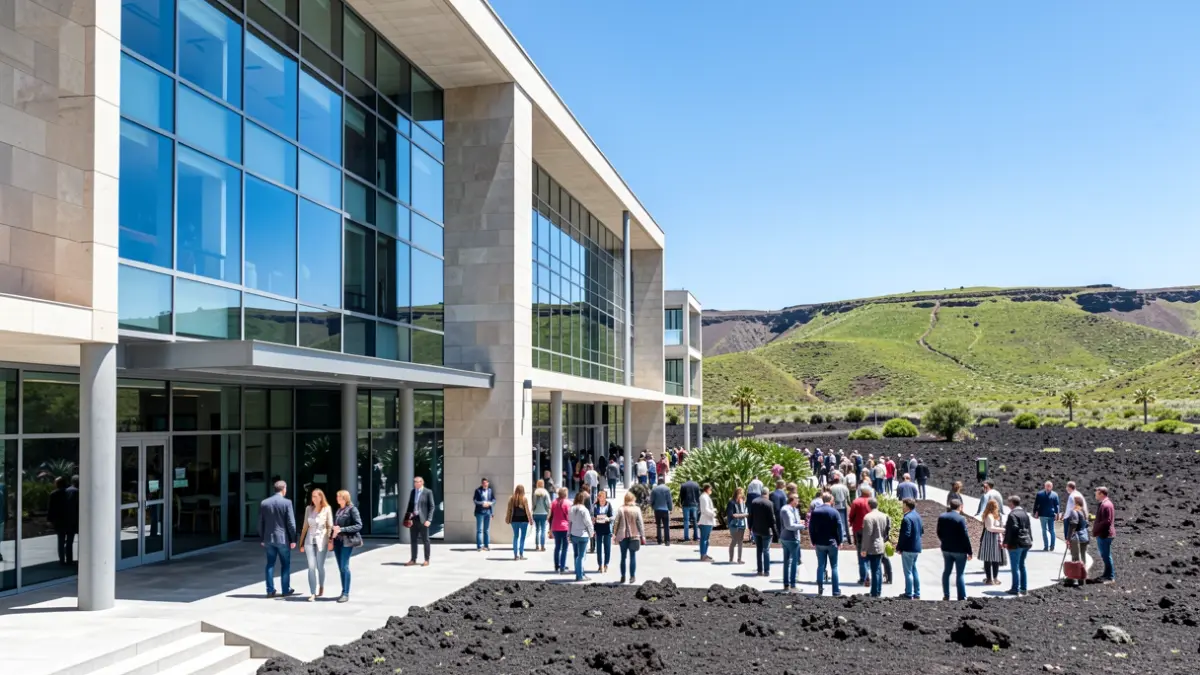
However, the Tourism Pact signed in 2023 by the main political parties of La Palma (Coalición Canaria, PSOE, and PP) has generated controversy. This agreement promotes infrastructure and new hotel beds under a model many consider obsolete and speculative, advancing projects such as the Ecoresort La Pavona in Las Breñas, La Dichosa Wellness in Las Manchas, and the Llano de las Ánimas Cultural Astronomical Park, in addition to others in processing like Puerto Naos and Golf Fuencaliente. These projects, which include golf courses and massive tourist complexes, are seen as contrary to the Green Islands Law and the vision of sustainable tourism.
Opposition to this model has been voiced publicly, criticizing the promotion of tourism that consumes territory and resources without generating equitable well-being. It is argued that this approach leads to strained public services, unaffordable housing, and economic value leakage. The alternative proposal advocates for tourism that generates dignified employment, contributes real value to the local economy, and distributes its benefits fairly, respecting the carrying capacity of the territory and protecting the landscape.