This production has positioned La Palma at the center of a highly visible advertising action, associating the island's image with a national reference brand and an internationally recognized figure. The promotional value is particularly relevant, as the campaign not only showcases the territory as a backdrop but also includes an explicit mention of La Palma, known as La Isla Bonita, making it a unique tool for external positioning.
“"This type of filming demonstrates that La Palma has the experience, capacity, and talent to host top-level productions. The island boasts unique locations, but also professionals and companies capable of meeting the needs of international projects, which is fundamental for continuing to diversify our economy and generate new opportunities."
A spokesperson for the Cabildo added that every production choosing La Palma contributes to projecting a modern, competitive, and open image to the world, generating employment and activating local services, in addition to placing the island in high-value professional circuits. Meanwhile, the Economic Promotion counselor of Sodepal noted that advertising shoots are a strategic line due to their ability to generate continuous activity throughout the year, with a direct pull effect on local businesses and professionals.
The Tourism counselor emphasized the promotional dimension of the campaign, stating that La Palma's presence in widely distributed advertising content allows the island to be showcased from an aspirational, contemporary, and emotional perspective. Furthermore, the direct mention of the territory multiplies the action's value, connecting the image of its landscapes with the name of La Palma, which helps position the island as a unique, creative, and sustainable destination.
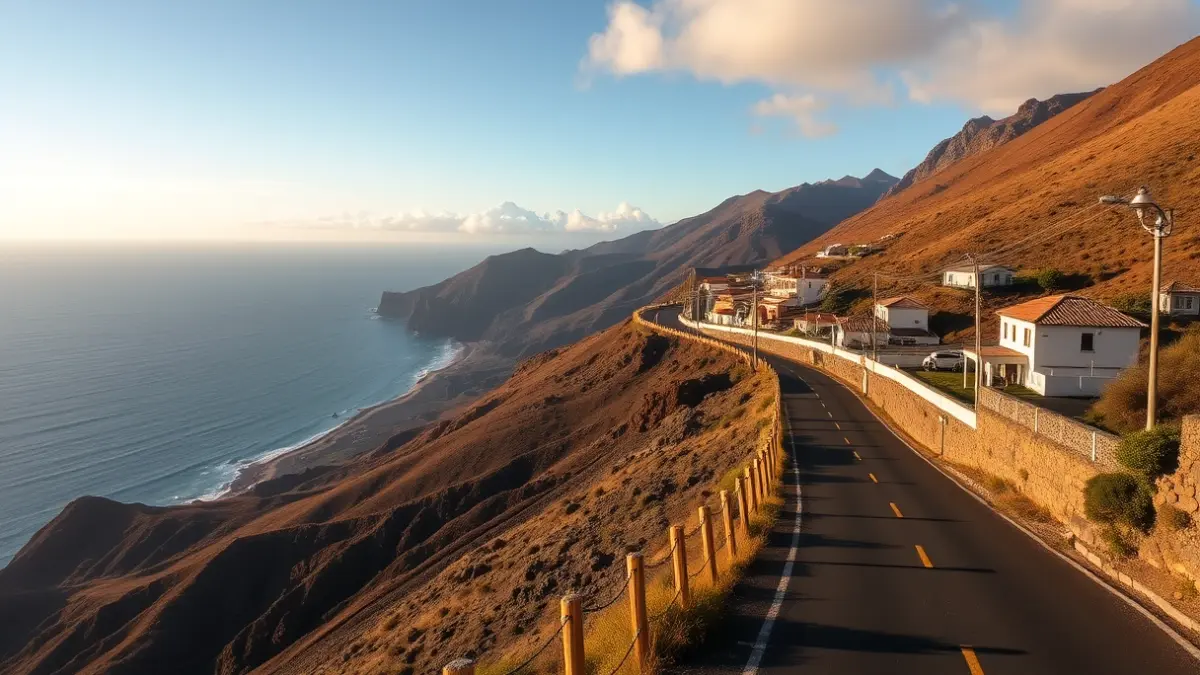
The filming took place in some of the island's most emblematic and cinematic locations, such as the coast of La Bajita in Villa de Mazo, Porís de Candelaria in Tijarafe, and the Bosque de Los Tilos in San Andrés y Sauces. These enclaves reflect La Palma's visual diversity and its ability to offer, within short distances, coastal landscapes, popular architecture, high-value natural environments, and aesthetically powerful atmospheres.
The campaign has also confirmed the growing importance of Canarian production companies specializing in audiovisual and advertising services, such as ShootCanarias, capable of attracting and managing projects with high technical, artistic, and logistical demands. Their work, alongside local businesses and professionals, ensures that international productions find in La Palma not only a unique landscape but also an ecosystem prepared to handle location scouting, permits, production, casting, transportation, talent care, catering, wardrobe, makeup, art, and other essential services.
The involvement of La Palma's local professional network was crucial, with a local company taking charge of location, production, and extras casting departments. Other local professionals joined in areas such as transportation, art, wardrobe, catering, and makeup. The extras were entirely local residents, reinforcing citizen participation in this international production.
The development of this production generated activity beyond the technical team, impacting transport, accommodation, catering, auxiliary services, and logistical support. Community collaboration in places like El Porís de Candelaria and La Bajita facilitated the work and contributed to maintaining a welcoming, distinctive, and recognizable filming experience in La Palma. The La Palma Film Commission provided technical assistance, coordinating institutions, managing permits, and facilitating contact with professional resources and local services, ensuring an agile and professional environment for filming.