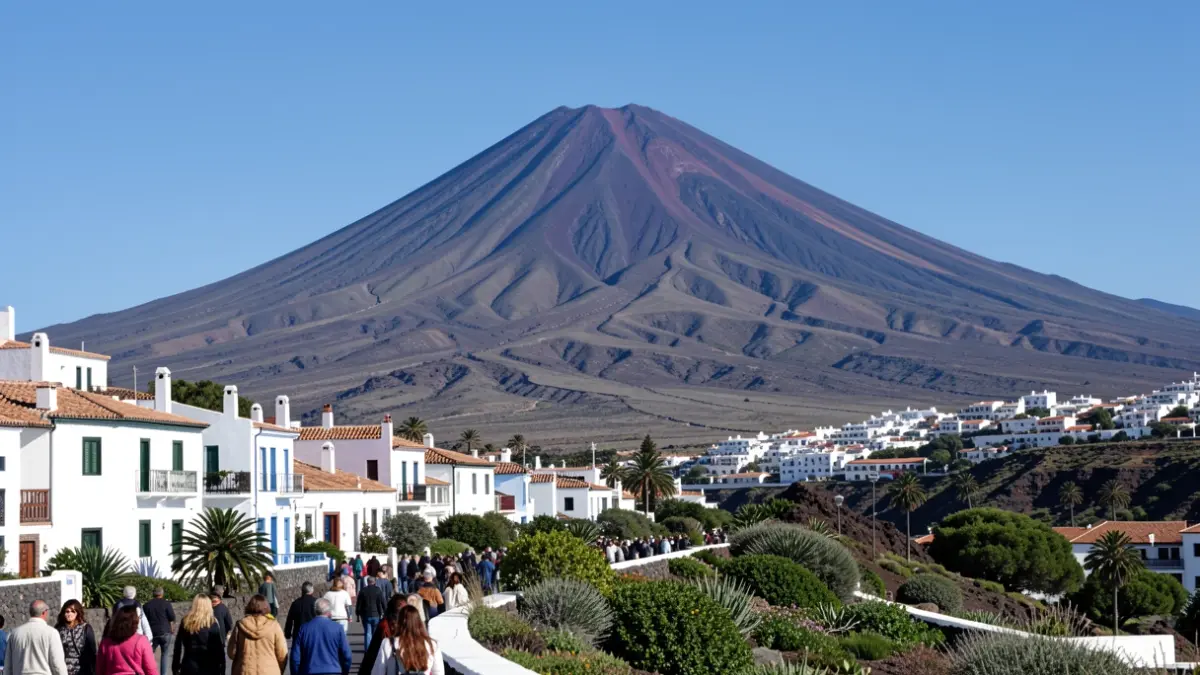
The Congress of Deputies has given the green light to the validation of the decree-law aimed at the island of La Palma, seeking to mitigate the damages caused by the Cumbre Vieja volcano eruption in 2021. The vote saw opposition from Vox and Junts, while other parties like Esquerra Republicana and deputies from Compromís abstained.
The text, which had been in effect since its ministerial approval on September 8, required ratification by Congress within thirty days. The Lower House has now confirmed the decree, enabling the implementation of various fiscal and financial measures.
One of the key provisions authorizes the Autonomous Community of the Canary Islands to allocate 100 million euros from its 2025 surplus to direct aid for individuals and entities affected by the eruption. Furthermore, the 60% IRPF deduction for La Palma residents will be extended until the 2026 tax period.
The decree also introduces changes in how autonomous communities manage their budgetary surpluses. They will be permitted to use these funds for sustainable investments in housing and other policies, without counting towards the spending rule, provided their debt-to-GDP ratio is below 12.4% by the end of 2025. These investments can be executed between 2026 and 2028.
According to Ministry of Finance calculations, these measures will benefit eight autonomous communities, mobilizing nearly 4 billion euros for territorial investments. The regions set to benefit are Asturias, Canarias, Navarra, País Vasco, Andalucía, Baleares, Cantabria, and Galicia.
Financially Sustainable Investments (IFS) are defined as those that positively impact the long-term sustainability of regional public finances. These investments must be economically viable throughout their useful life and are not counted towards the spending rule for the execution year, although they are considered for budgetary stability objectives.