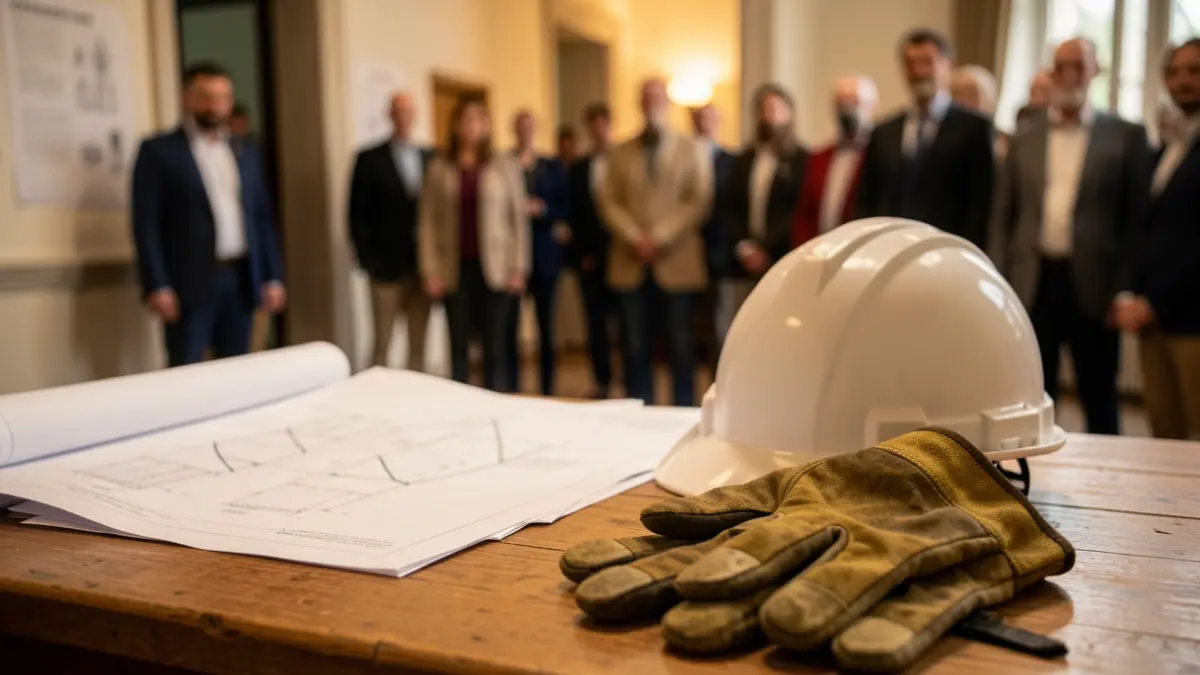
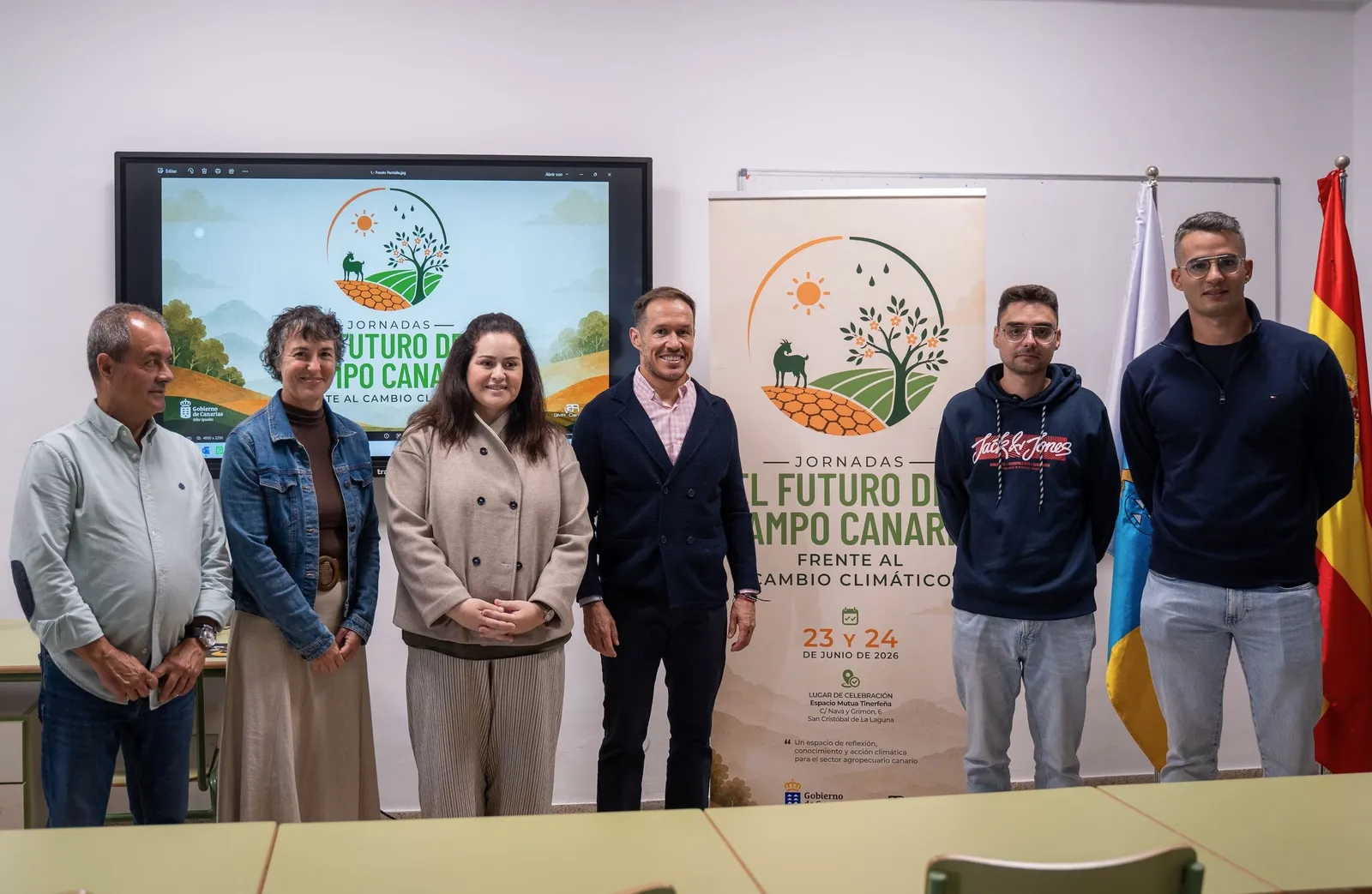
The island of La Palma hosted the final of the Insular Transfer Workshops “The future of the Canary Islands' agricultural sector facing climate change,” held at the Agricultural Training School of Los Llanos, in Los Llanos de Aridane. The event brought together professionals, technical staff, and representatives from the agricultural sector to learn about the project's conclusions and adaptation measures to improve the resilience of agricultural and livestock activities in the Canary Islands.
The minister, Mariano H. Zapata, explained that the meeting facilitated the exchange of experiences, allowing for the identification of common challenges and proposals to enhance the sector's response capacity to climate change-related phenomena. He emphasized the importance of adaptation and the efforts of professionals, stating that La Palma's primary sector has always shown a great ability to overcome the challenges of its environment.
During the workshop, various tools for analyzing and evaluating climate risks were presented, along with practical adaptation examples applicable to the reality of the Canary Islands' primary sector. Topics covered included risk bio-indices in agriculture, adapting crops and livestock farms to new climatic scenarios, thermal stress, and best practices aimed at reducing the vulnerability of agricultural and livestock activities.
The working group at the end of the day allowed for the collection of contributions and reflections from participants on the primary sector's main adaptation needs, reinforcing the participatory nature of an initiative designed to incorporate the knowledge and experience of those working directly in the territory.
This series of workshops, promoted by the Ministry of Ecological Transition and Energy, began on October 30 in Tenerife, continued on November 13 in Lanzarote, and on November 16 in Gran Canaria. Throughout these workshops, studies on the effects of climate change on strategic crops for the Canary Islands, such as banana, avocado, mango, and grape, as well as on livestock and beekeeping, were presented. The meetings also allowed for the collection of experiences and proposals from sector professionals to advance adaptation measures tailored to the reality of each island.