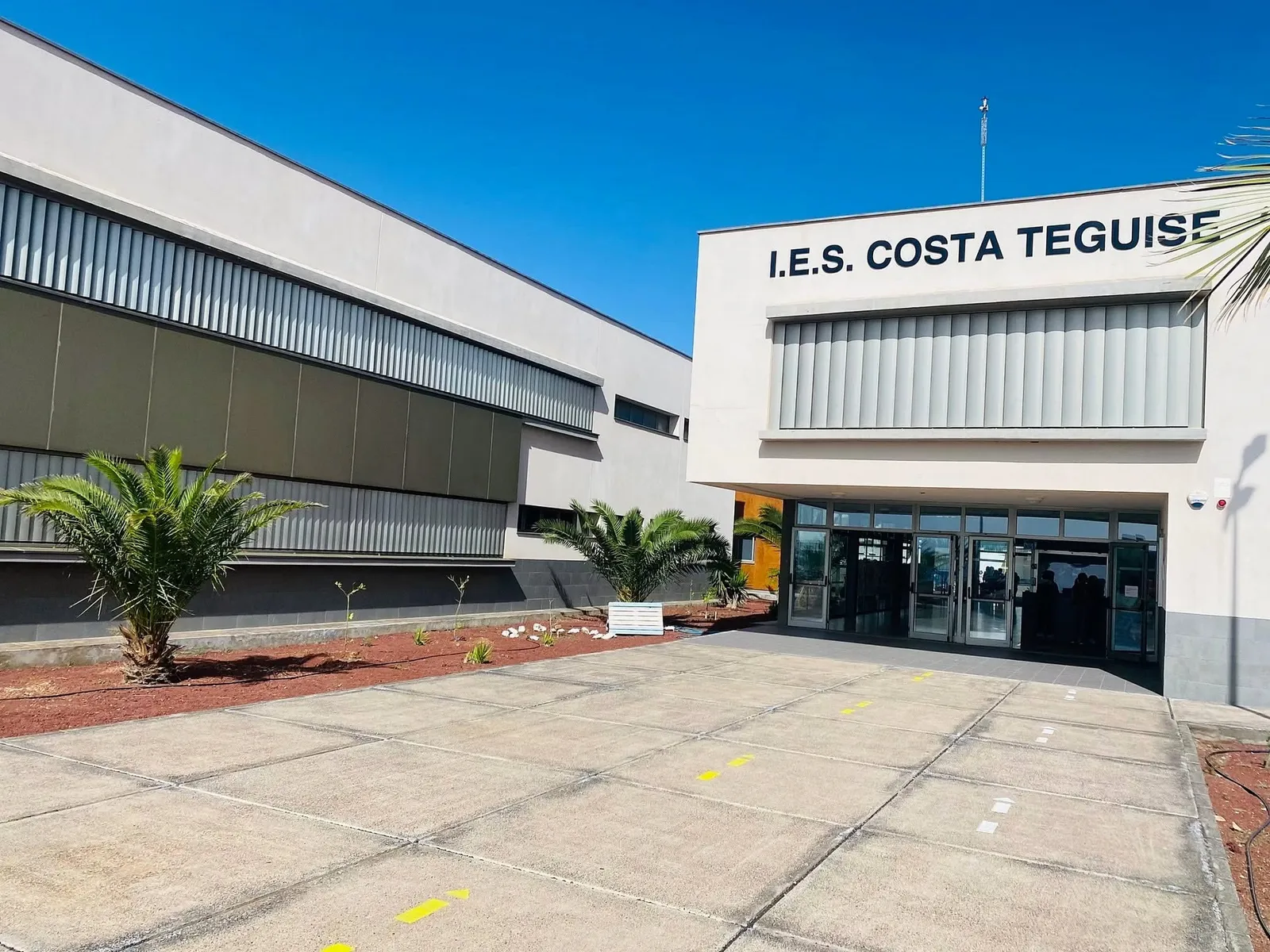
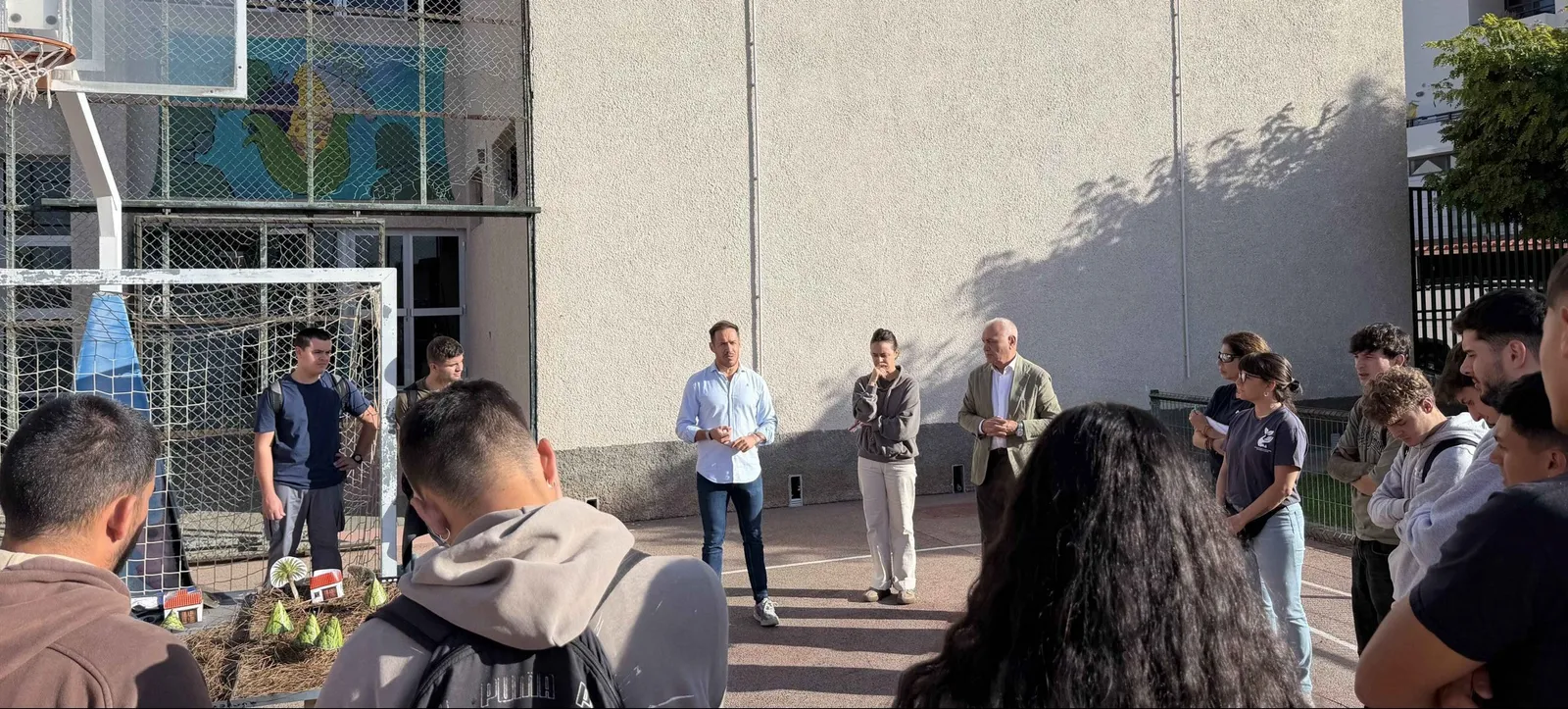
The activity, developed through the PICAs project, sought to bring students knowledge about fire risk, self-protection and safety in urban-forest interface zones. The talks have benefited 88 students regionally, belonging to intermediate and higher degree cycles related to forestry management, natural resource utilisation and landscaping.
During the session, the problem of fires in the Canary Islands was addressed, with special attention to spaces where inhabited areas are close to forest land. The training included a practical session with fire tables, where a fire was simulated on a small scale to demonstrate how cultivated land and adequate forestry management can contribute to reducing the impact of flames.
“"Fire prevention also involves training those who are going to work and care for our territory. Students at agricultural training schools will play an important role in rural environment management and in protecting people and their property"
The councillor, Mariano H. Zapata, explained that with these sessions, also held at the agricultural training schools in Tenerife and Gran Canaria, the aim was to bring prevention into the classrooms. The initiative emphasised the importance of training in the face of climate change challenges, high temperatures and prolonged drought periods, highlighting the role of the agroforestry sector in prevention.