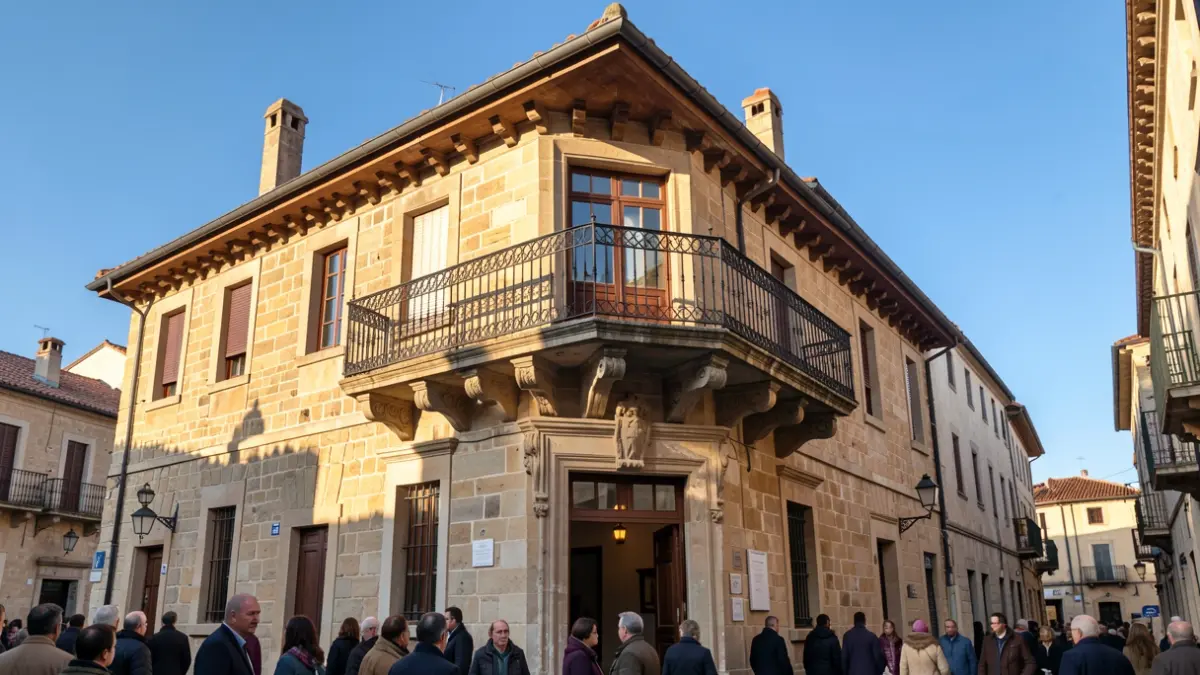
Last Friday, Haría became a hub for popular culture in Lanzarote with the celebration of the Malpaís de la Corona Festival. This initiative, a fixture in the island's festive calendar, primarily aims to preserve and promote the ethnographic and musical legacy of the Canary Islands.
Organized by the Malpaís de la Corona Folk Group, the event took place during the patron saint festivities honoring San Juan Bautista. Numerous residents and visitors gathered to enjoy a program focused on the cultural roots and popular traditions of the Archipelago.
Under the theme "Against All Ills," this year's edition paid tribute to the traditional beliefs and knowledge that shaped daily life in the Canary Islands for generations. The focus was on practices such as "santiguados" (folk healing prayers), popular prayers, and remedies passed down by ancient female healers, who played a vital role in rural communities when access to healthcare was limited.
Through music and performance, the festival invited the audience on a journey through a part of the intangible heritage of Lanzarote and the Canary Islands, which forms part of the collective memory of many families.
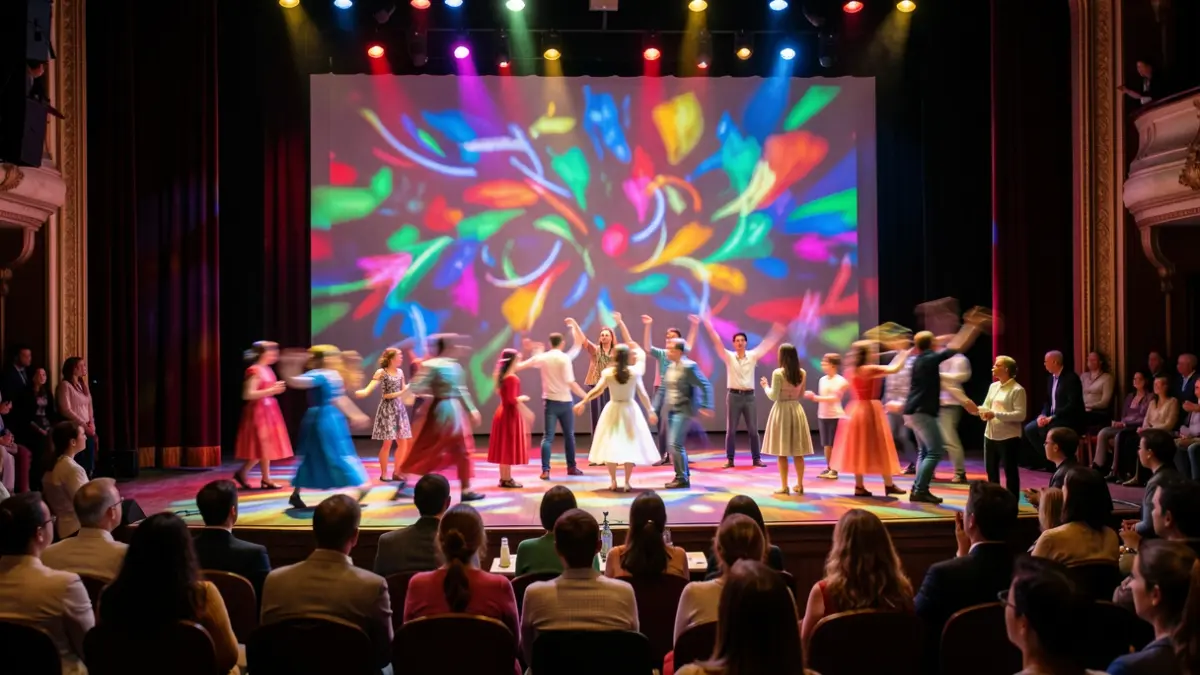
Performances by various folk groups were a highlight. The host Malpaís de la Corona Folk Group shared the stage with Estrella y Guía (from Gran Canaria) and Agarau (from Tenerife). The repertoire featured representative genres of Canarian popular music, including "isas" and "parrandas."
The event once again underscored the crucial role of folk groups in preserving musical customs and transmitting this legacy to younger generations.
The mayor of Haría, Alfredo Villalba, emphasized the significance of such initiatives in preserving the cultural identity of the municipality and Lanzarote. He noted that reaching twenty-two editions recognizes the years of work by those who have championed the festival and kept popular folklore and local traditions alive.
Meanwhile, the Councilor for Social Welfare, Evelia García, praised the public's response and the participatory atmosphere throughout the day. She highlighted the involvement of many residents dressed in traditional Canarian attire, which reinforced the celebration's identity and community spirit.