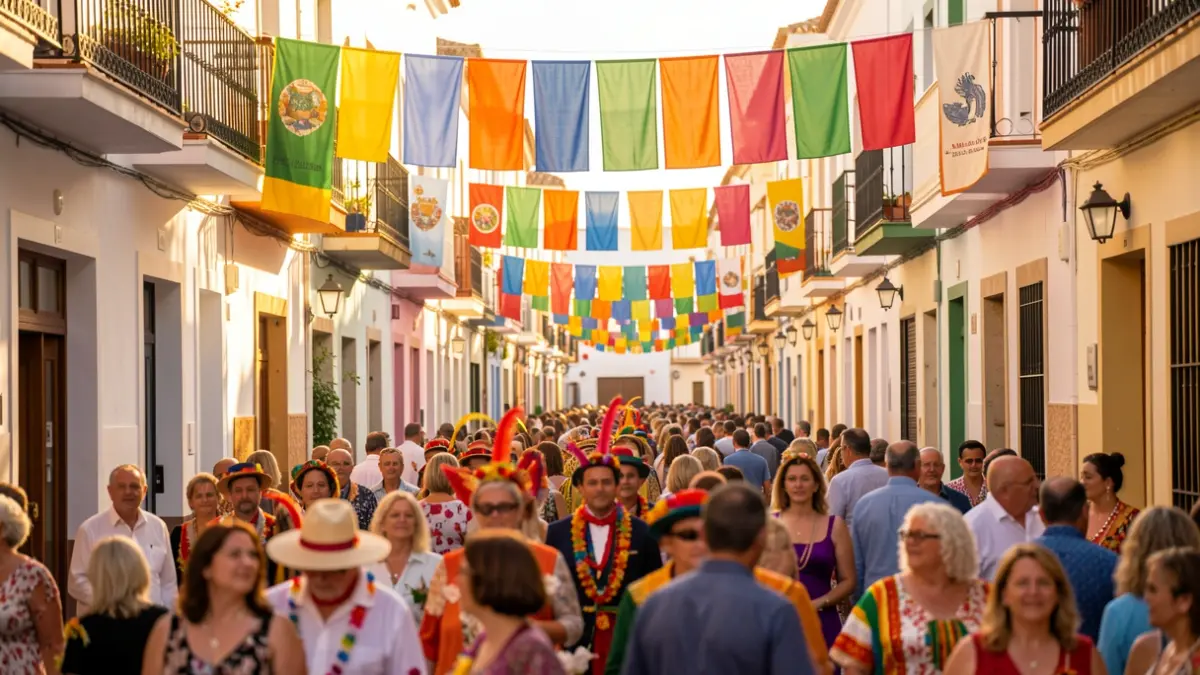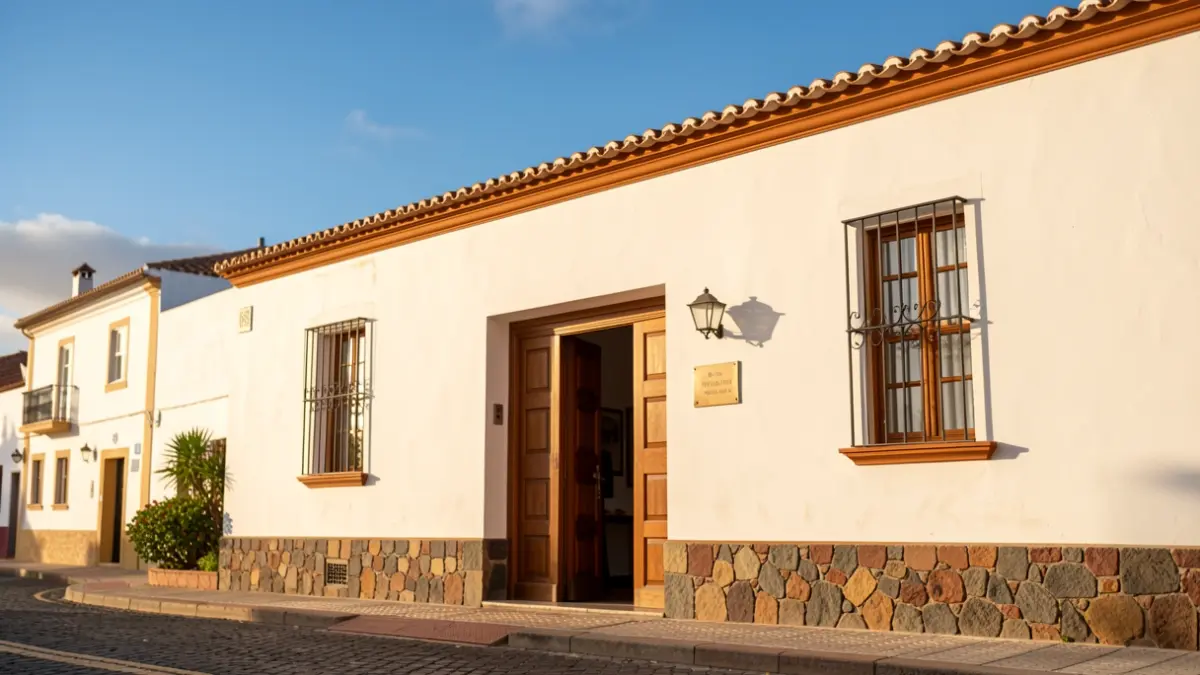
The municipal representation from Ingenio, comprising over 300 individuals, paraded in the traditional Romería-Ofrenda to the Virgen del Pino, a significant event in Gran Canaria's festive calendar. The procession, positioned 13th, traversed the streets of Teror, showcasing the island's culture and traditions.
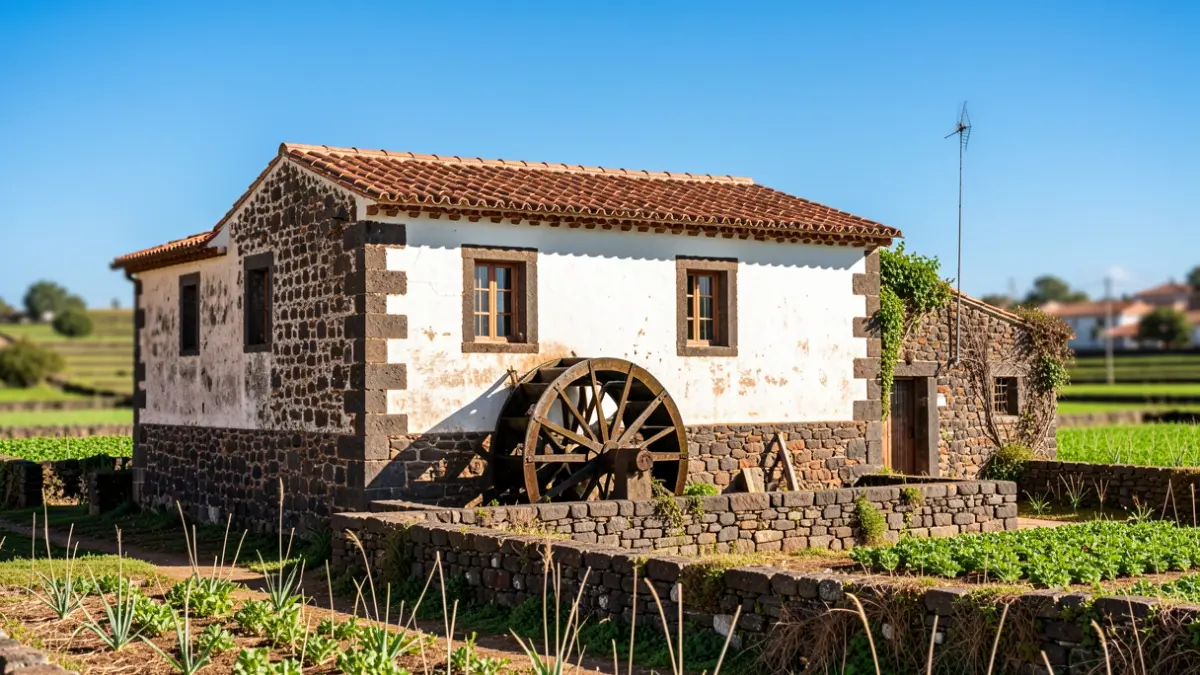
The institutional float, titled ‘Casa Antigua del Molino de Agua’ and designed by Gregorio Ruano González, recreated a dwelling linked to traditional mills, emphasizing the historical importance of water for the municipality. It featured local products presented as an offering to the Virgen del Pino.
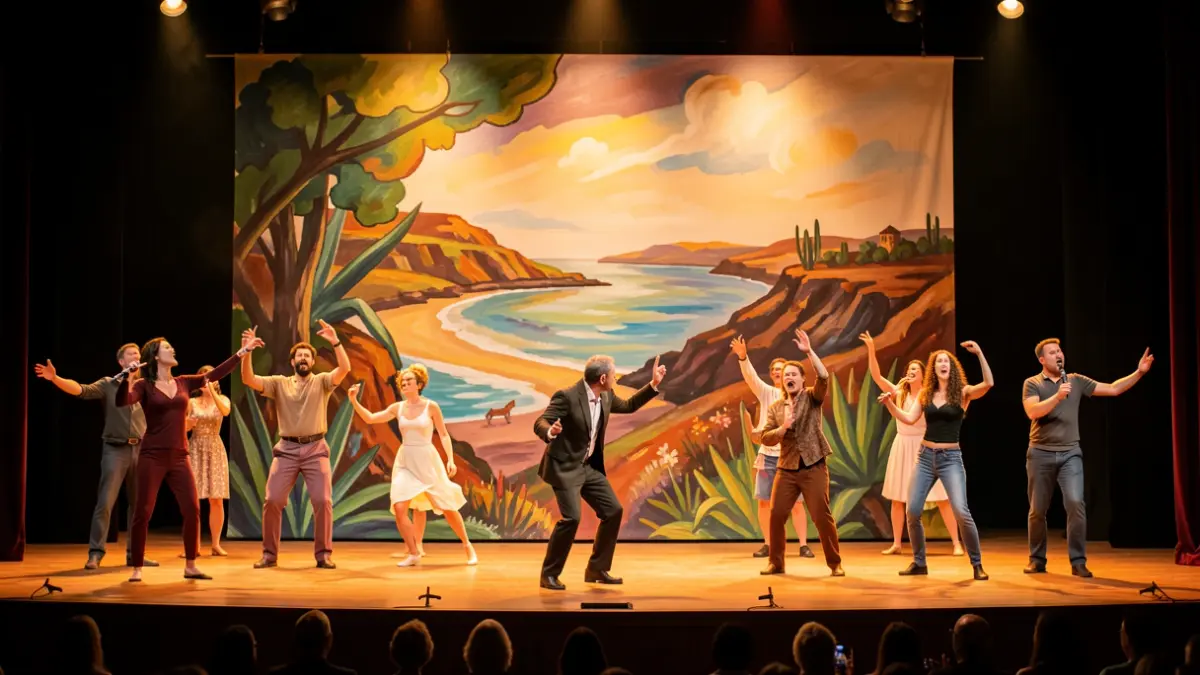
Young verseadores Luca Pérez Miranda and Adriana Sánchez Artiles introduced the municipality to the Virgin, reciting décimas about its folklore, lacework, fist bread, and agricultural and artisan work, while asking for blessings upon the people. The Folkloric Group Antiguos Coros y Danzas de Ingenio and the Popular Music Group Los Cochineros provided musical accompaniment.
Citizen participation was a key highlight, organized by the Department of Festivities and other involved municipal areas. Five buses facilitated the transport of residents, in addition to those who traveled independently.
The Councilor for Festivities, Rayco Padilla, emphasized the organizational effort and the involvement of collectives and citizens, stating, "It is fundamental that we have this collaboration from all collectives, whether folkloric, but also citizen participation, that is fundamental."
The mayor of Ingenio, Vanesa Martín, also highlighted the high participation and the charitable aspect of the offering, which included the donation of 200 kilos of food for those in need. "In the end, devotion is a further demonstration that when the people unite, not only do you have a good time, but you also create that union, protect what is ours, and most importantly, you bring these products for the most needy, while asking our great patron saint for the impossible to make it possible."
The participation of the Villa de Ingenio in the Romería-Ofrenda once again combined tradition, culture, citizen participation, and solidarity, projecting the municipality's identity in Teror.