The implementation of advanced technologies, such as artificial intelligence (AI), more precise and tamper-resistant meters, has been key to identifying these fraud cases within the Canary Islands' energy system. These advancements allow for parameter comparison and more efficient anomaly detection.
Yaiza Suárez Felipe, an Inspection Technician at Endesa in the Canary Islands, notes that electricity frauds are more common than perceived and not always linked to energy poverty. In the Islands, the predominant fraud involves illegal connections to the distribution grid, carried out by non-specialists using inadequate materials and lacking necessary protections. This poses a risk to those tampering with the grids, nearby residents, and inspection personnel.
Víctor Martínez, another Inspection Technician at Endesa, emphasizes that fraud carries not only physical risks but also environmental ones, as these fraudulent installations can cause accidents in sensitive areas. "Those who commit electricity fraud not only endanger their own lives but also those of others, infrastructure, and the environment. It is a serious matter," he states.
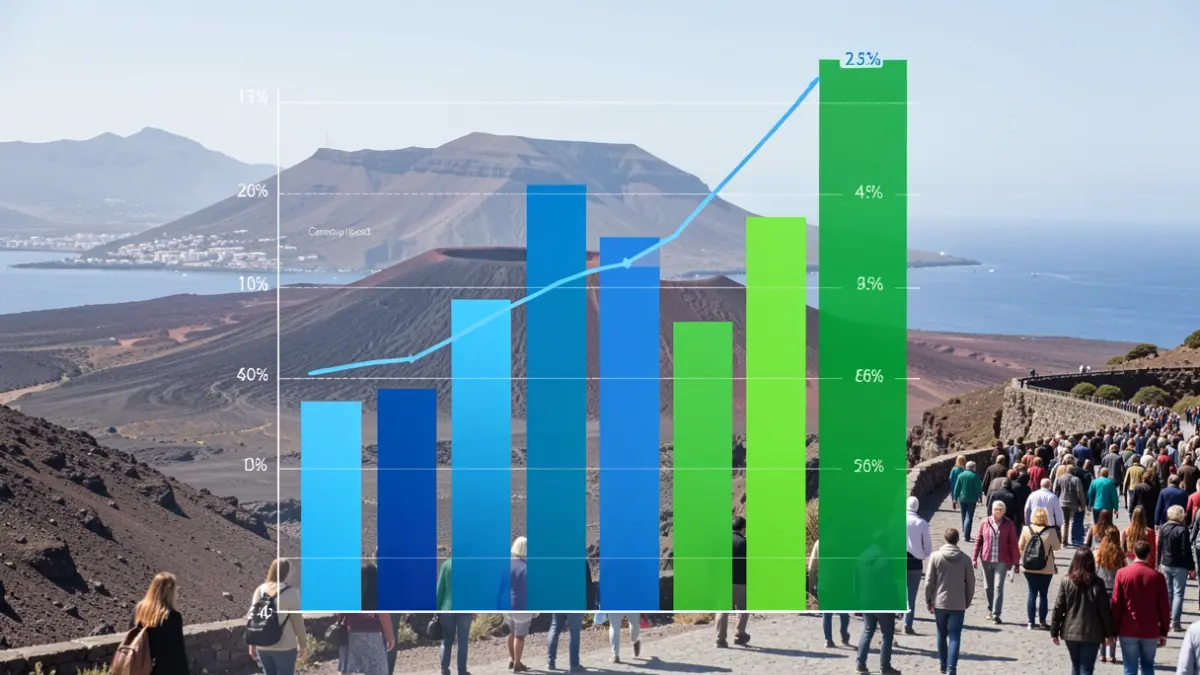
Although 75% of detected frauds in the Islands occur in domestic settings, the remaining 25% pertains to businesses, such as shops, restaurants, or industries. The majority of defrauded energy comes from these non-domestic irregular supplies, a cost that "we all pay and is difficult to recover," according to Yaiza Felipe.
Endesa utilizes AI to monitor the consumption of homes, industries, and businesses. If consumption patterns evolve anomalously, a team is dispatched to inspect the installation and detect potential tampering or direct connections. Self-learning models and AI act as "informants" alerting to suspicious supplies, consumption inconsistent with contracted power, or following complaint reports.
Inspections are conducted proactively for suspicious data or after complaints. Upon detecting fraud, the type of tampering is analyzed through detailed reports, photographs, and other data. Sometimes, inspections are carried out with the collaboration of security forces, particularly in known problematic areas.
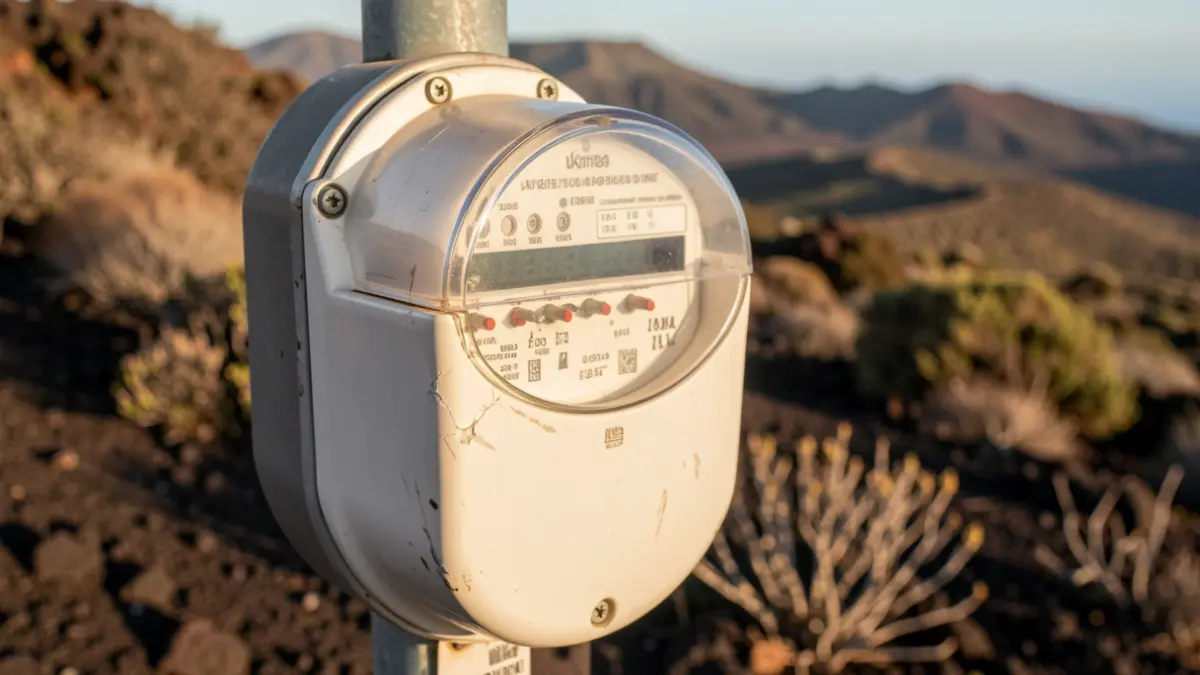
Modern meters are a key tool in fraud prevention. Amador Ramírez, head of the Inspection team, explains that current meters are very difficult to tamper with, requiring "hacker level" skills and featuring high protections, electronic keys, and integrated alarms. These devices measure energy with great detail, "splitting a kilowatt into 4,000 pieces," ensuring customers pay only for what they consume.
Analyzers installed at network head-ends compare data from meters to detect anomalies with high accuracy, identifying the source of irregular consumption.