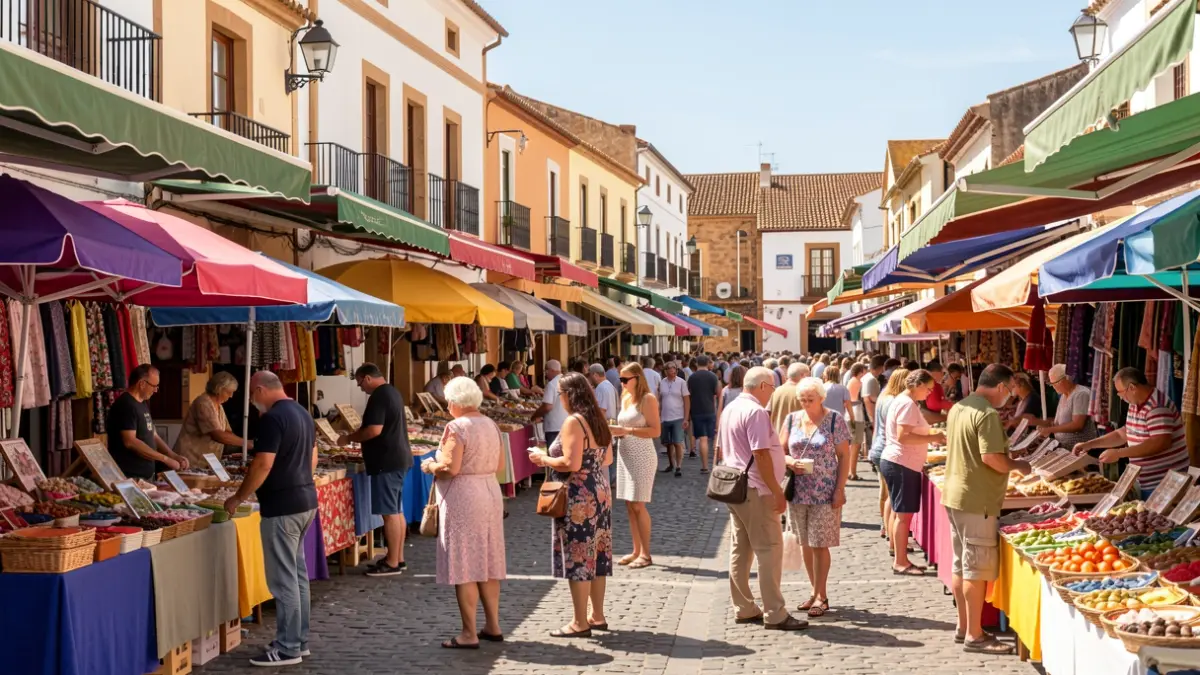
The location of the Santa Cruz de Tenerife Rastro has once again become a point of contention, just over a year and a half after its relocation from the vicinity of the Nuestra Señora de África Market to the Marítima avenue. A group of vendors, led by Marcos Brito, has launched a campaign to return to the historic site, arguing that the flea market has lost its appeal and economic activity.
Proponents of this initiative claim the change has led to a decrease in visitors and a disconnection from the downtown commercial environment, which previously formed a natural, beneficial route for vendors, shops, and restaurants. They cite drawbacks at the current location, such as sun exposure, lack of shade, and the loss of the traditional atmosphere, believing the port esplanade does not attract visitors as effectively as the La Recova area.
In contrast, Carmen Tejera, a representative of a historic vendors' association, rejects the notion that the relocation has been a setback. She states that the new location resolved issues related to space, security, and traffic coexistence, facilitating a more efficient organization of the more than 400 authorized stalls.
Tejera recalls that the move was due to space limitations and security requirements at the old site. She believes the current venue offers better conditions for access control and surveillance, and that pending improvements, such as shade or stall aesthetics, can be addressed without relocating the Rastro.
Meanwhile, the first deputy mayor and councilor for Strategic Planning, Carlos Tarife, dismisses reopening the debate on the location. He emphasizes that the decision was based on Local Police reports concerning safety and organization, and that the City Council does not contemplate a return to the Market's surroundings due to the Rastro's current size, with 412 granted licenses.
The main announcement is the creation of the Mesa del Rastro (Rastro Table), a body to be included in the upcoming amendment of the municipal ordinance. Its aim is to provide the sector with clear official representation, allowing participation from collectives that demonstrate support from at least 10% of license holders, to facilitate dialogue.
Additionally, the Council is working on implementing free, uniform tents to improve the market's image and commercial appeal, although the project has faced delays. Increased shaded areas are also being studied to enhance comfort for both vendors and visitors.