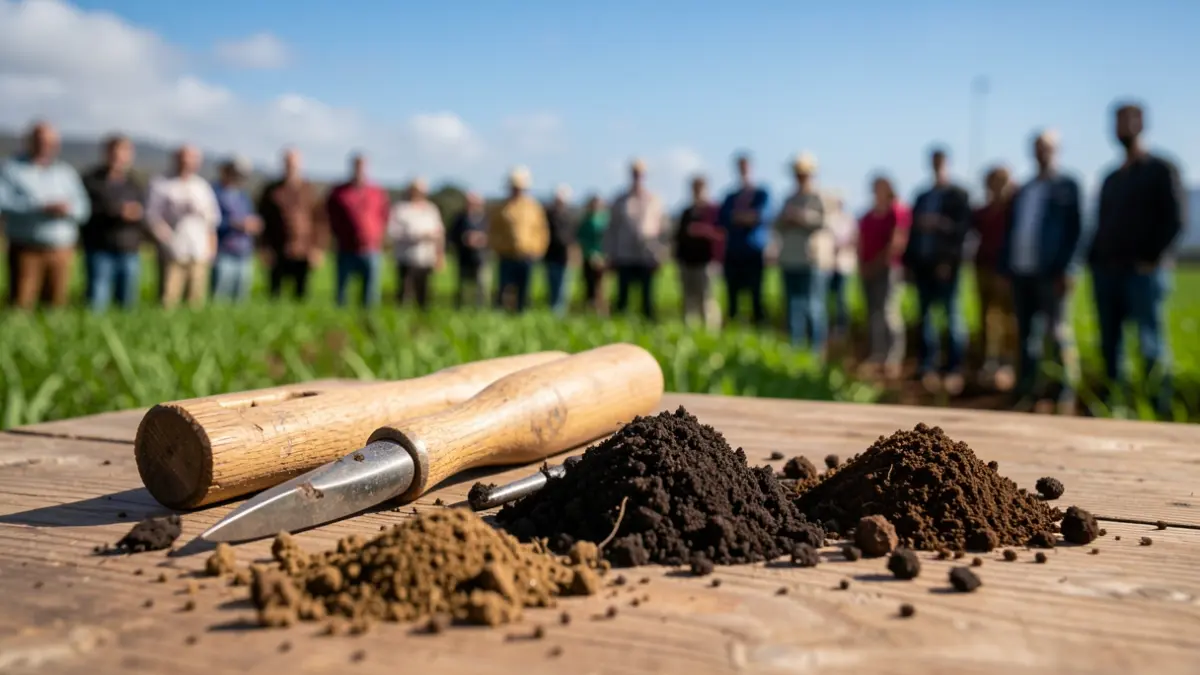
The first of these workshops took place on October 30, 2026, at the Canary Institute of Agrarian Research (ICIA) in Valle de Guerra (La Laguna). It brought together professionals, technicians, and representatives of agricultural organizations. The meeting aimed to transfer the scientific and technical knowledge generated by a project from the Ministry, focused on analyzing the risks, vulnerabilities, and adaptation opportunities for the Canarian agricultural sector in the face of present and future climate scenarios.
The Director General of Environmental Quality, Ángel Montañés, highlighted the importance of "bringing scientific knowledge closer to those who carry out their daily activities in the Canarian countryside and are already facing the consequences of climate change." He emphasized that these workshops are "fundamental for farmers, ranchers, technical staff, and administrations to share information, experiences, and solutions to one of the greatest challenges facing the primary sector of the Canary Islands."
The results presented show the incidence that rising temperatures, reduced water availability, and increased frequency of adverse weather events can have on crops such as avocado, mango, banana, grape, and temperate fruits, as well as on livestock and beekeeping. The project also proposes a set of climate action measures to strengthen the sector's adaptation.
During the workshop, aspects such as agricultural risk bioindicators, the effects of climate change on strategic crops, impacts on livestock, and occupational heat stress were addressed, along with the main adaptation and mitigation measures. A participatory working group was also held to gather contributions and identify needs from the attendees.
This event in Tenerife is the first in a series that will continue in Lanzarote on November 13, Gran Canaria on November 16, and La Palma on November 20, aiming to bring the generated knowledge to the archipelago's diverse productive realities and foster the sector's active participation in defining future climate adaptation strategies.