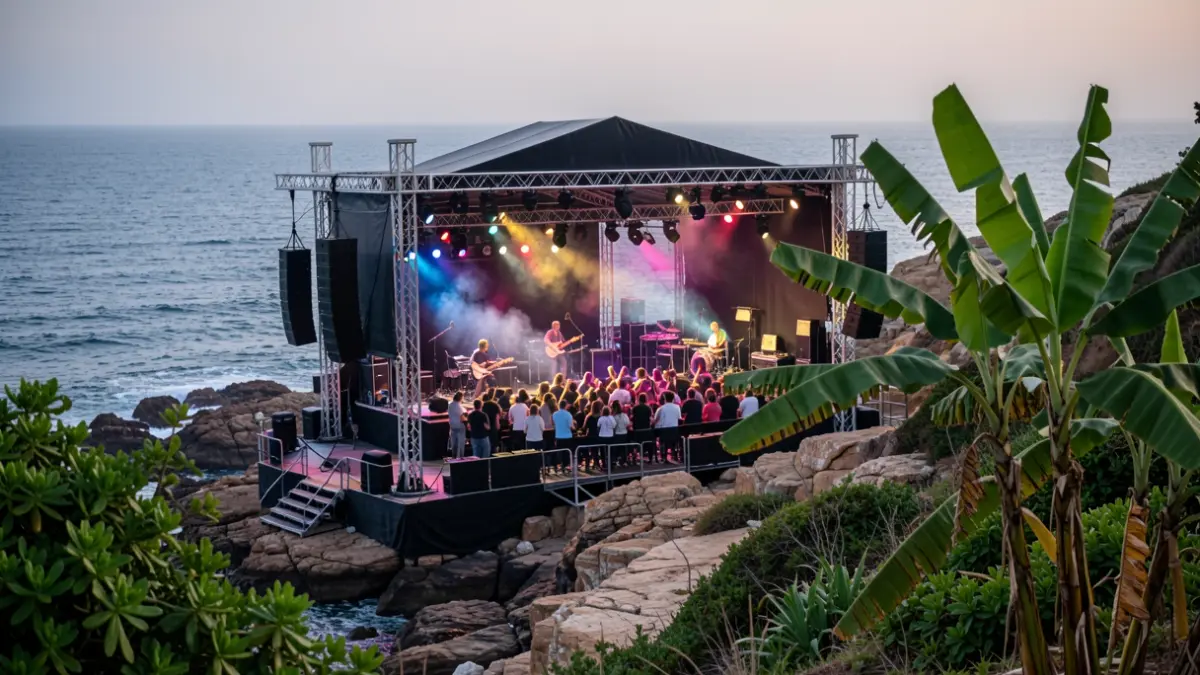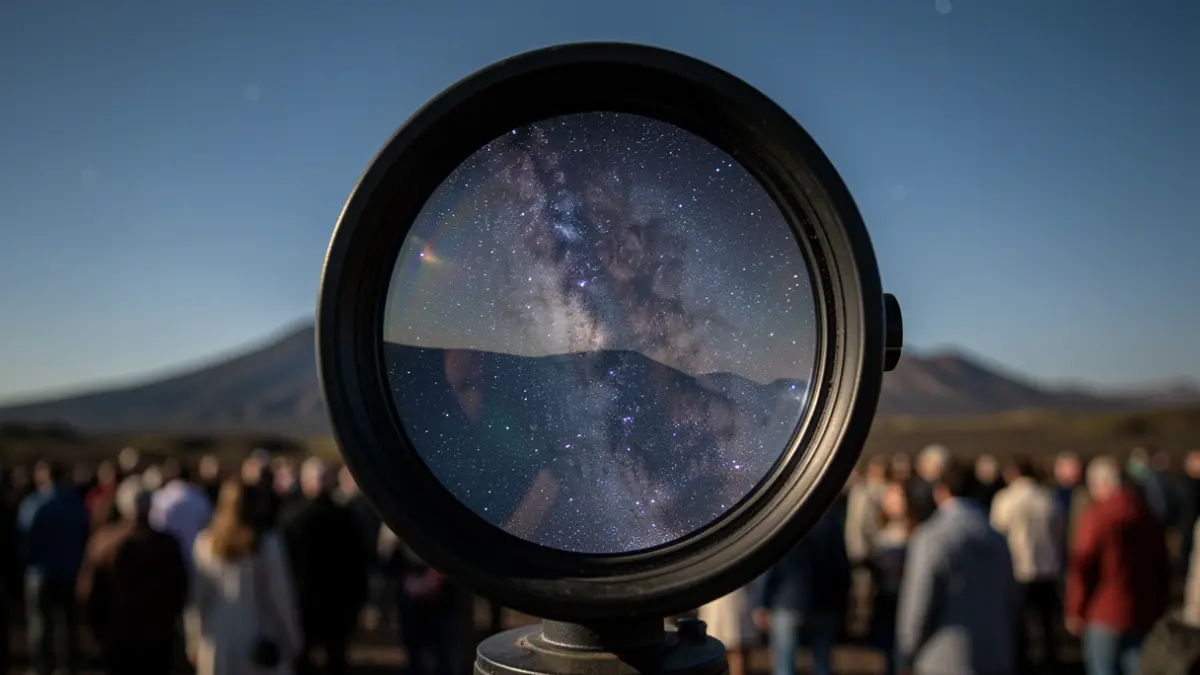
This special session marks the first anniversary of the initiative, which aims to bring astrophysical research closer to the public in a rigorous and accessible manner. The event, taking place on July 23 at 5:00 PM, will feature two 30-minute talks. Admission is free until full capacity.
The first talk, titled 'A Super-Earth in a Nearby Planetary System', will be given by Atanás Stefanov, a predoctoral researcher at the Canary Islands Institute of Astrophysics. He will present the discovery of a super-Earth in the habitable zone of the planetary system GJ 3998, located 59 light-years from Earth. The talk will explain how astronomers distinguish exoplanet signals from stellar activity, highlighting that this world receives energy comparable to our planet's.
The second presentation, 'Discovering the Shape of Stars with Cherenkov Telescopes', will be delivered by Fernando Frías García-Lago. It will explore how intensity interferometry, an older technique, is being revitalized with modern Cherenkov telescopes, such as those at the Roque de los Muchachos on La Palma and the Teide on Tenerife. The talk will detail how light fluctuations allow for measuring stellar size and achieving high resolutions.
“"In just one year, ‘Del Cielo a la Tesis’ has established itself as a meeting space between the predoctoral research community and the public, rigorously and accessibly bringing some of the latest advances in astrophysics closer."