The book ‘Vulnerability and Adaptation Strategies to Climate Change on the Island of Tenerife’ is the result of a joint technical effort between the University of La Laguna (ULL) and the Canary Islands Government's Ministry of Ecological Transition and Energy.
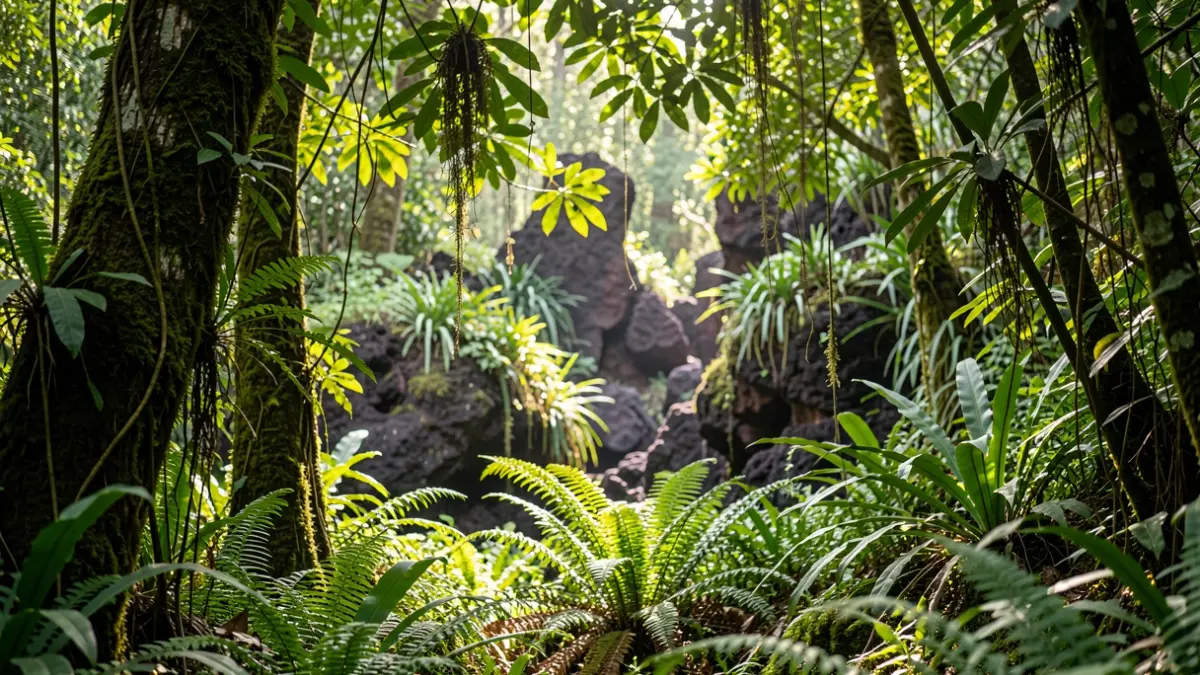
The work examines the response of endemic flora and various plant communities to climatic variations on the island, identifying species and territorial areas exposed to these phenomena. Examined ecosystems include summit vegetation, pine forests, and monteverde (laurel forest).
Ángel Montañés, Director General of Environmental Quality, highlighted that the document provides a technical diagnosis and scientific indicators on the degree of exposure of different plant species in Tenerife to climatic variations, compiling specific data for conservation and natural resource management planning.
Roberto González Zalacaín, Director of University Institutes and Publications at the ULL, noted that the publication addresses the vulnerability of island flora under different climate change scenarios, demonstrating how university research contributes scientific knowledge about the territory and provides useful evidence for technical work. He also emphasized that the study combines scientific methodology with fieldwork.
The study analyzes threats such as rising temperatures, reduced rainfall, prolonged periods of drought and heat, incursions of Saharan air, and changes in trade winds. These factors can lead to increased fire risk, the spread of exotic species and pests, soil degradation, and a loss of ecosystem capacity as CO₂ sinks.
A vulnerability index with four levels and diagnostic sheets for the studied species have been established, incorporating data on their development and reproductive productivity. The analysis also considers obstacles to species adaptation and displacement, such as pressure from herbivores, proposing measures like exclusion fencing and habitat restoration.
The study further includes a territorial assessment of the seven islands, featuring maps of climate refugia, carbon sinks, and climate corridors, along with models on the evolution of bioclimatic floors and plant communities under different climatic scenarios. Diagnoses on the degradation and naturalness of communities, and experimental 20x20 meter enclosures in Tenerife to study vegetation response to herbivore pressure, were also conducted.