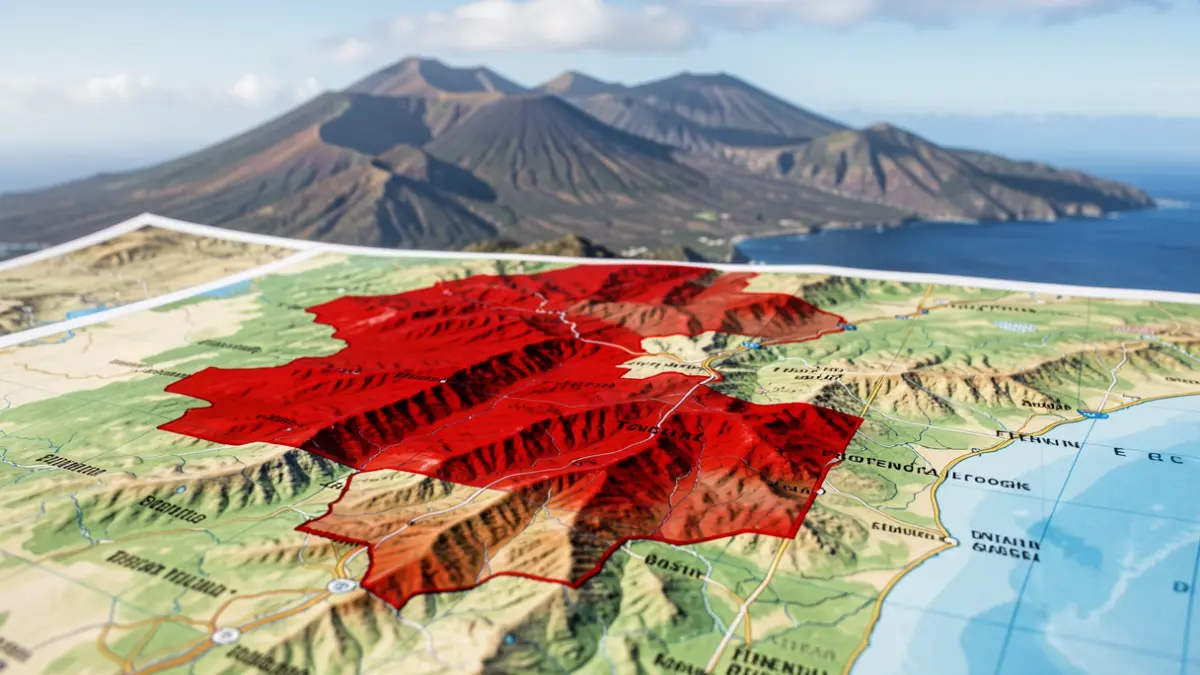
The review and update of the Flood Hazard and Risk Maps for the Hydrographic Demarcation of Tenerife, currently in public consultation, estimates that 93,856 inhabitants reside in areas potentially affected by floods in the most extreme scenario, corresponding to a 500-year return period.
These new studies have increased the number of floodable zones on the island from eight to 27. The affected population figure drops to 62,375 people for floods with a 100-year return period and to 26,292 for those with a 10-year period. The data reflect the population living within potentially floodable zones, not a forecast of those who will necessarily suffer flooding.
San Cristóbal de La Laguna is the municipality with the highest exposed population, with 31,284 residents in the 500-year scenario. It is followed by Granadilla de Abona (14,996) and Santa Cruz de Tenerife (12,192) in the same scenario. Other notable municipalities include Puerto de la Cruz (8,787), Icod de los Vinos (6,562), and Guía de Isora (5,831).
In relative terms, Guía de Isora reaches 25.8% of its exposed population in the 500-year scenario, followed by Tegueste (23.5%) and Puerto de la Cruz (23.4%). The analysis was conducted by superimposing the floodable areas with the census sections from the National Statistics Institute (INE).
The third cycle of maps expands the study to 27 fluvial ARPSIs, totaling over 101 kilometers of riverbeds classified as areas of significant potential flood risk. The scenarios considered are 10, 100, and 500-year return periods, representing situations ranging from frequent events to low-probability extreme occurrences.