Following the two sessions of the Canary Islands Eco-design and Circular Economy Hackathon 2026, held on September 26th in Tenerife and October 3rd in Gran Canaria, six projects have been awarded for their contributions to addressing the archipelago's environmental challenges.
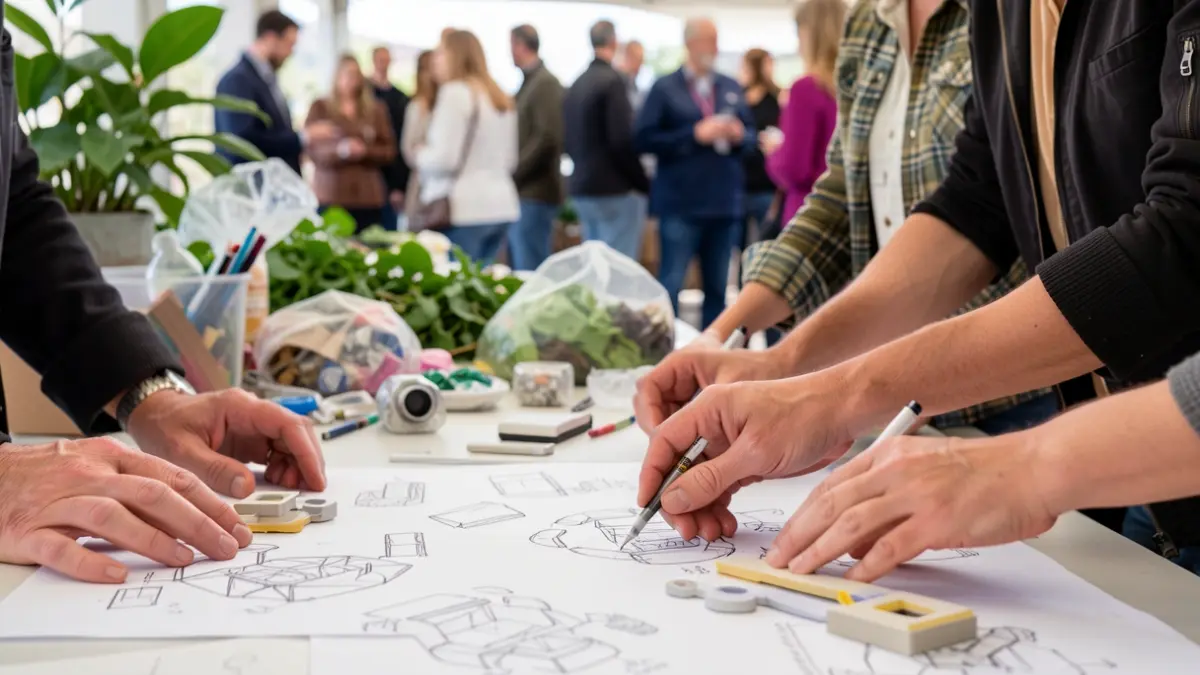
The initiative, organized by the Canary Islands Government's Department of Ecological Transition and Energy through the General Directorate of Environmental Quality, brought together students, professionals, and entrepreneurs to develop intensive proposals in four priority areas: reducing single-use plastics, transforming agricultural waste, promoting repair and reuse, and applying eco-design in the tourism sector.
The Director General of Environmental Quality, Ángel Montañés, highlighted that these meetings have allowed for "translating the circular economy into concrete challenges" and bringing together "very diverse profiles to propose innovative solutions adapted to the reality of the islands."
In the Tenerife session, the three highest-rated projects were: Tareco, a platform to reduce large waste items by encouraging exchange between users; Re-Urban Canarias, which creates a new material from used tires and plastic containers; and Trama Canaria, which transforms hotel textiles into decorative pieces or useful items.
Meanwhile, in Gran Canaria, the awardees were: Tajinaste, an initiative to recover plastics from abandoned greenhouses for modular hydroponic cultivation systems; Segunda Vida, which develops motor recovery devices from non-pathogenic hospital plastic waste; and Canary Sleep Cycle, a mattress renting system for tourism that promotes material separation at the end of its life.
Each session awarded 1,500 euros in prizes, totaling 3,000 euros. The Hackathon is part of the Canary Islands Circular Economy Strategy 2021-2030 and its Action Plan 2024-2026.