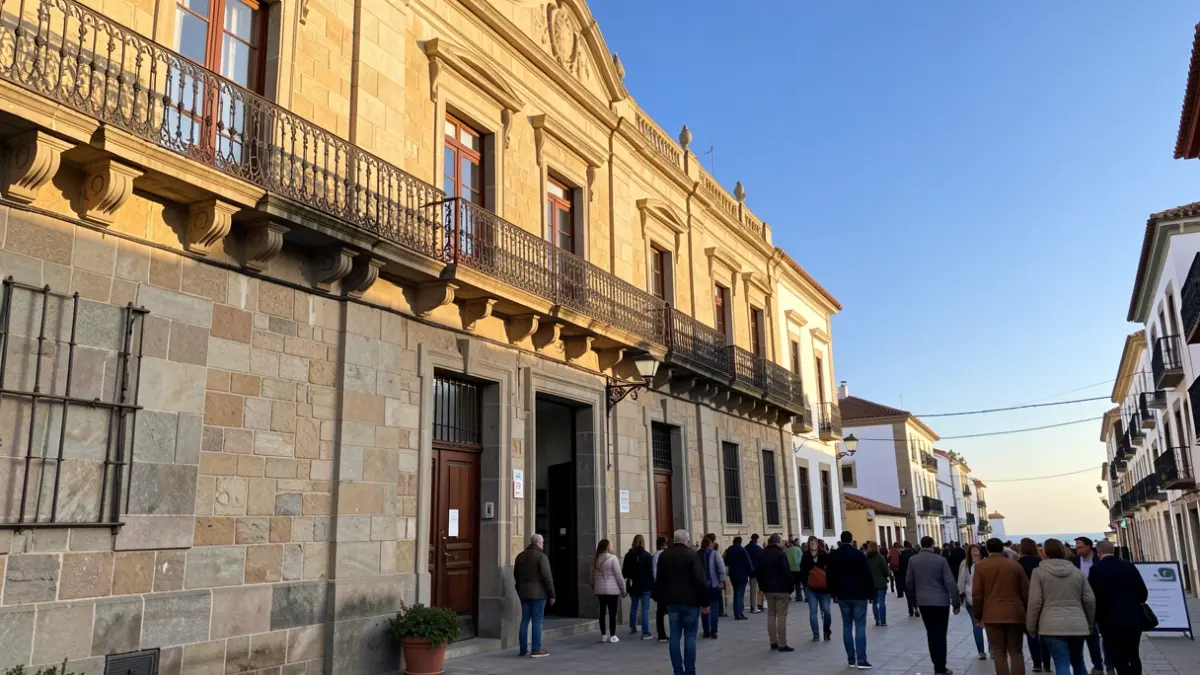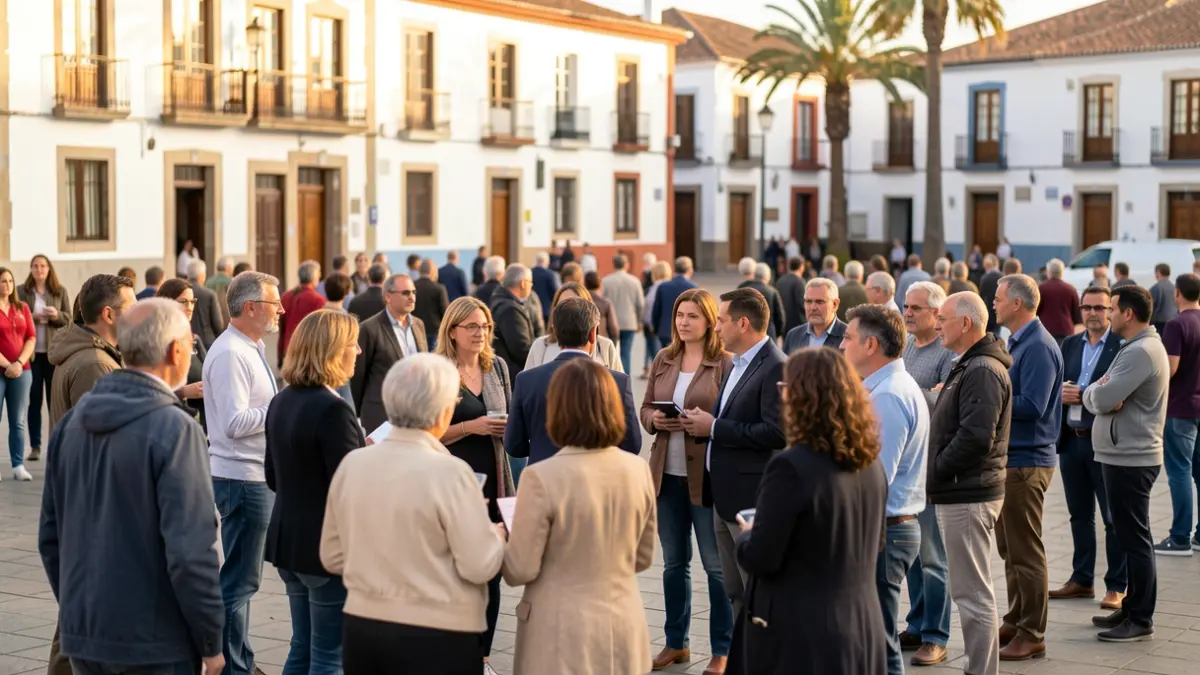
The political party Unidas Podemos has issued a statement explaining that they officially declined the invitation to attend the reception for the Holy Father in San Cristóbal de La Laguna. The decision is based on their "secular convictions and our defense of the non-confessional nature of public institutions," as detailed in the statement.
Unidas reiterates that, as a political party, they have always maintained the principle of not participating in confessional events as public officials, clearly distinguishing between the institutional and religious spheres. However, they clarify that this does not prevent any member of the organization from attending individually, exercising their freedom of conscience.
The statement expresses respect for believers and acknowledges the Pope's stances in favor of migrants, welcome, and human dignity, principles that the party shares and considers "especially necessary in the current context."
Unidas se puede suggests that the Pope's visit would have been an opportunity to address the issue of abuses committed within the Church, proposing a meeting with victims' associations in the municipality. They believe such a gesture would have been a sign of "closeness, recognition, and reparation."
Finally, the party points out "profound disagreements" with some positions of the Pope and the ecclesiastical hierarchy on issues such as sexual and reproductive rights or the right to a dignified death, positions that clash with their defense of women's right to decide and personal autonomy at the end of life.
The statement concludes by appealing for "mutual respect" and the "possibility of clearly expressing differences" as pillars of democratic coexistence and commitment to human rights and individual freedoms.