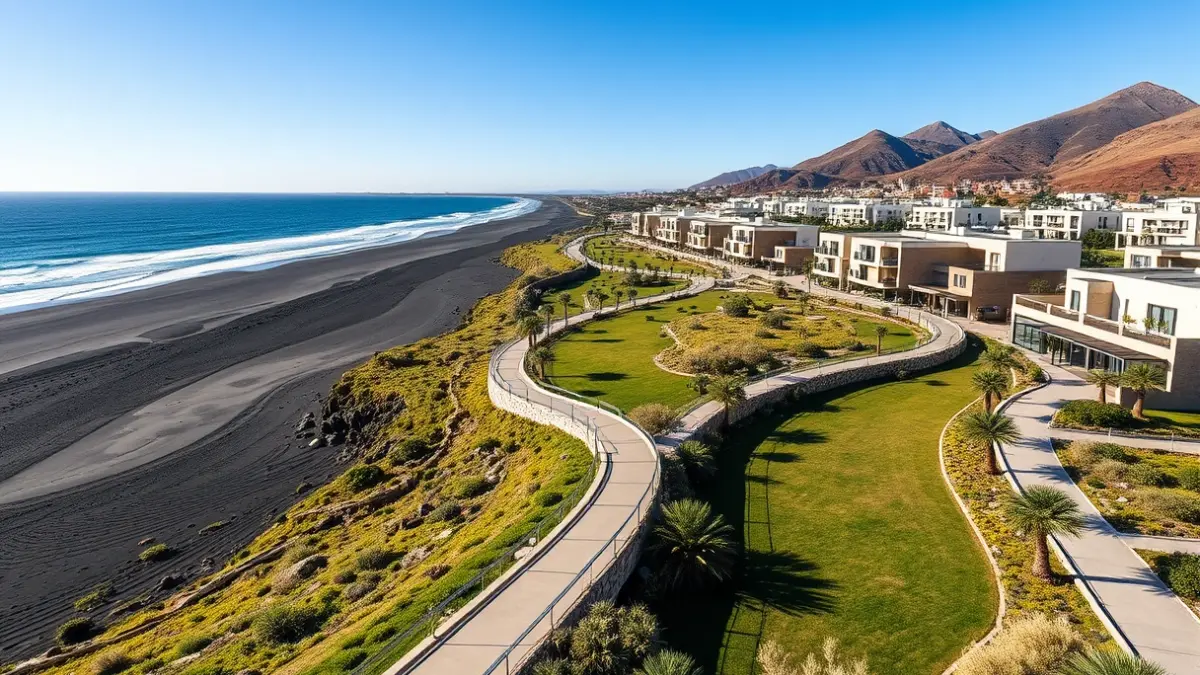
The initiative seeks to transform Puerto Naos, a locality that, according to 2023 census data, has fewer than a thousand inhabitants and was affected by the health crisis and the volcanic eruption of Tajogaite. The municipal leadership considers this change crucial to avoid being stuck in an outdated economic model and to project a prosperous future for La Palma.
Historically linked to banana cultivation and fishing, Puerto Naos, along with nearby areas like El Remo and La Bombilla, has been a strategic point. It even housed a United States submarine detection facility during the Cold War, the MILS, active between 1964 and 1974. Now, the focus is on redeveloping a 27.7-hectare area to implement a Singular Tourist Planning Instrument (IPST).
“"There have been many years of waiting. This is our moment."
The path towards this new tourist enclave will be extensive. The IPST document, approved by the Environmental Assessment Commission of the Cabildo de La Palma, must pass through several phases, including the structural planning of the Aridane Valley coastline. The project, which initially had shortcomings, was restructured by municipal architects and an external company, with an environmental focus.
“"Puerto Naos was a ghost town for a long time that we now have to awaken for the good of the local and island economy and the future of new generations."
Puerto Naos, along with Los Cancajos, has been a tourist reference in La Palma. In the 1980s, it became a second home destination, and a decade later, the Hotel Sol opened. The dark sand and gravel beach borders Charco Verde and El Remo. Demographic stagnation and the total evacuation after the Tajogaite eruption in 2021, which buried the Todoque road, highlighted the need for this revitalization.
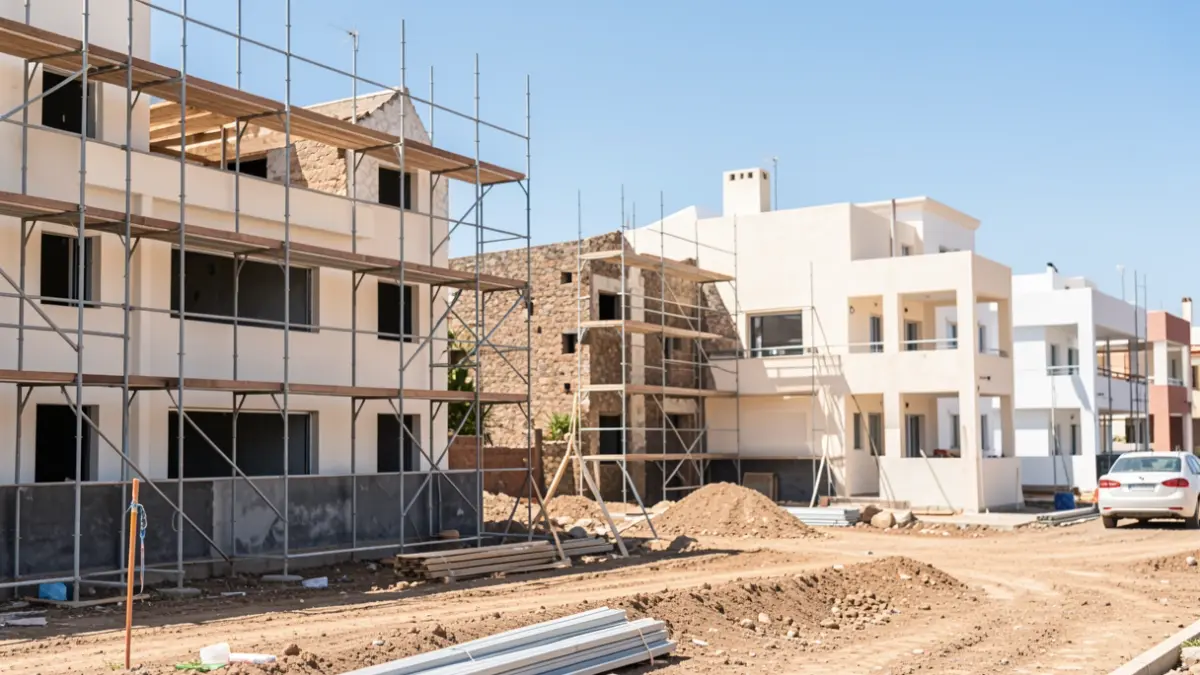
The plan includes the creation of up to 2,109 new beds, double the current residents, and the construction of up to four buildings, reserving 55% of the 27.7 hectares for integrated garden areas. This project, which will be subject to public exhibition, seeks citizen participation to adapt the design to community needs.
“"This movement is key to defining the future model of the coastal strip of Los Llanos de Aridane."
The investment will require millions of euros, with regional, island, and municipal funding, and the possibility of obtaining state funds for sustainability projects. It is expected to generate new direct and indirect jobs, attracting entrepreneurs interested in the coastline. The municipal leadership emphasizes the importance of landscape protection and adaptation to climate challenges, projecting new roads, bike lanes, and pedestrian areas.
Other influential voices on the island, such as the President of the Cabildo de La Palma, Sergio Rodríguez, support the intervention, considering it crucial for the island's tourism model, which seeks an equitable distribution of wealth and landscape integration between tourism and the primary sector. Banana cultivation, the “green gold” of the Canary Islands, will remain a symbol of identity, with La Palma producing over 145 million kilograms annually.
“"Our economic model has to change; we cannot offer such a neglected tourist offering."
Although the process will be long, the municipal leadership is convinced that now is the time to act to boost the local, island, and regional economy, with a differentiated and sustainable tourism model that respects the environment and generates new opportunities.