
The Ministry of Social Welfare, Equality, Youth, Childhood and Families of the Government of the Canary Islands continues to streamline dependency procedures. According to the latest official statistics from the IMSERSO for October 2026, the average processing time has been reduced to 184 days. The General Directorate for Dependency anticipates this figure will reach 152 days in November, representing a reduction of over 76% since the legislature began.
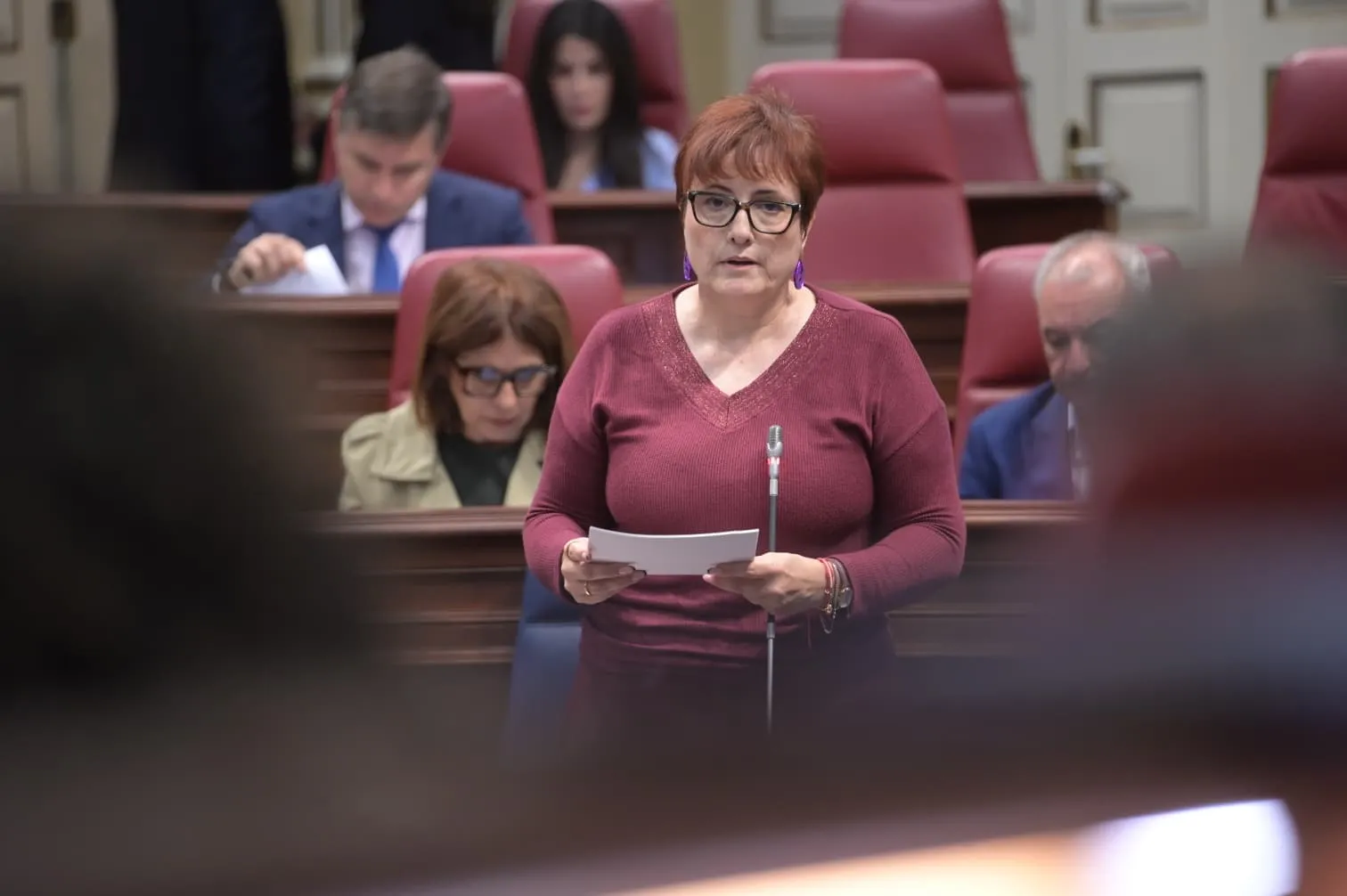
The Minister of Social Welfare, Candelaria Delgado, highlighted that new applications are being resolved in an average of 62 days. She explained that the difference from the official average is due to the resolution of historical cases that had accumulated years of waiting, which continue to be factored into the statistical calculation.
The number of people receiving advanced telecare has significantly increased to 18,372, compared to just over 2,000 at the start of the legislature. Delgado stated that this coverage allows individuals to be cared for in their own environment, preventing displacement.
Canary Islands is the only Autonomous Community with 100% coverage of assistance for individuals with Grade III+ dependency. The Government of the Canary Islands aims to further reduce waiting times, resolve pending historical cases, and consolidate a more agile and person-centered care model.
Recognized benefits have more than doubled, from 45,957 at the end of 2023 to 104,091 in October 2026, according to IMSERSO data. This evolution is attributed to a profound reorganization of the system, the incorporation of technological tools, and administrative simplification.