Places like Los Lavaderos in El Sauzal are repositories of collective memory, evoking past eras when generations of women frequented this site to wash clothes and carry water, thus beginning a long day of work and care in their homes.
In observance of the upcoming October 15th, International Rural Women's Day, the El Sauzal City Council, through its Equality and Diversity department, has organized a living history event. This event recreated the activities of traditional washerwomen who used the current Los Lavaderos Park – Viewpoint for their daily tasks.
Eleven women from El Sauzal participated in this moving gathering: Lasita Pérez Fernández, Carmen Dolores García Rodríguez, Pilar Rodríguez Díaz, Lourdes Díaz Álvarez, Ángeles Taty Casanova Ravelo, Begoña Travieso Martín, Manuela García Castillo, María Lourdes Goya Pérez, María García Castillo, Concepción María Hernández Martín, and María Candelaria Rivero Goya. The event was coordinated by Juanra Álvarez and Benjamín Delgado, and attended by the mayor, Mariano Pérez, and councilwomen Elisabet Delgado and Sara Pérez.
Recreating these experiences goes beyond reviving a custom; it is about looking back and recognizing the effort, responsibility, solidarity, and generosity of women who made these virtues their way of life.
Los Lavaderos were not only a site for long working hours but also a place for meetings, conversations, laughter, and camaraderie. While their hands worked, their words shared concerns and joys, transforming the space into a hub for social interaction, especially for women in rural areas.
On the occasion of this anniversary, the El Sauzal council aims to recover and value the daily memory of these women who worked, cared for, and supported their families, silently contributing to the life of their homes and community.
A town's history is also built on small, everyday stories: the hands that washed, the steps that carried water, the shared conversations, and the hours of labor often left out of grand narratives. Los Lavaderos stand as a testament to this way of life and the efforts of a generation of women who are an inseparable part of El Sauzal's identity.
Recovering their memories means giving them a voice and doing justice to a fundamental part of history. Keeping their memory alive means transmitting to new generations that behind every town lie many anonymous stories deserving to be known and valued. Remembering the washerwomen is also remembering the women who built the town.
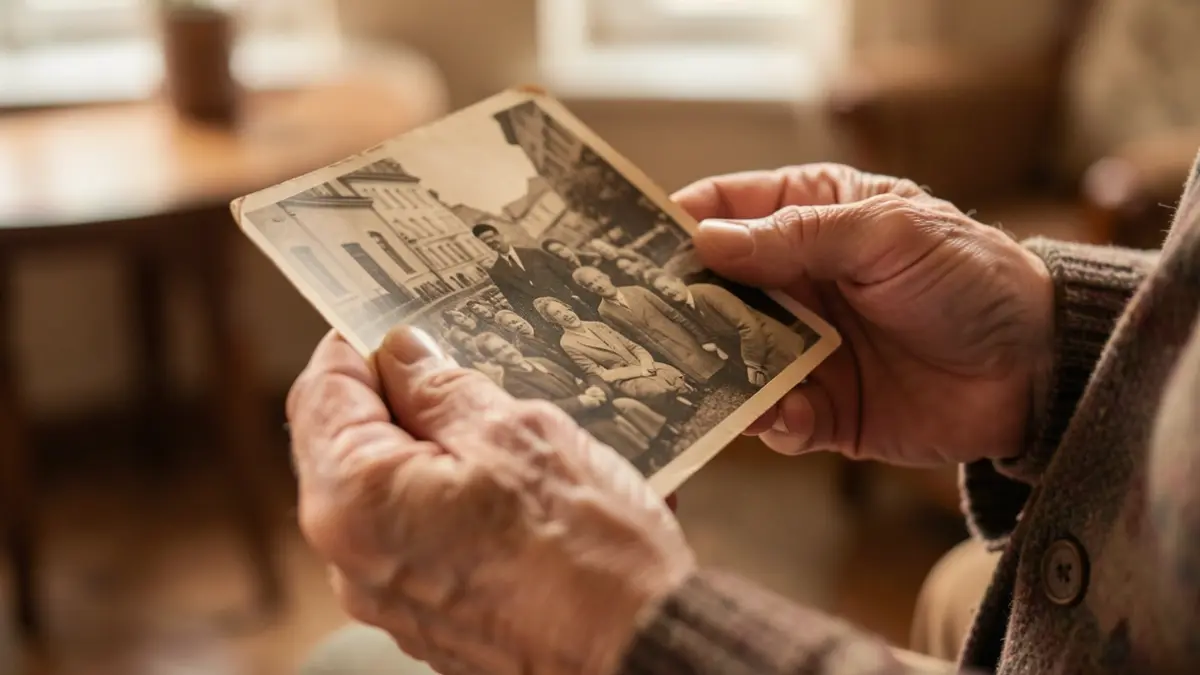
The recreation of this tradition aims to transform Los Lavaderos into a space of living memory, where past and present can meet to evoke those workdays, rescue testimonies and photographs, and bring to new generations an essential part of El Sauzal's social history.
The water washed the dirt from the clothes, but it left something far more valuable in that place: the memory of the women who shared a significant part of their lives there.