Aquaculture, which already surpasses capture fisheries in aquatic food production, faces the challenge of meeting the growing global demand for essential nutrients. In this context, the Ecoaqua University Institute of the ULPGC has presented its latest research at the XX National Aquaculture Congress (CNA), held in Vigo.
A total of eleven scientists from the Aquaculture Research Group (GIA) will share their findings in nutrition, genetics, animal health, sustainability, and new technologies applied to aquaculture production. Professor David Domínguez will highlight in his presentation the capacity of aquaculture to produce the omega-3s necessary for global health in the coming decades.
Domínguez will explain how aquaculture has doubled the availability of aquatic products in 30 years, reaching 136 million metric tons in 2023. Despite this growth, which has improved food security, a significant deficit persists in the production of long-chain omega-3 fatty acids, crucial for cardiovascular health. The researcher will advocate for aquaculture's essential role in meeting this future demand, although he notes the need to produce approximately half a million additional tons annually.
Beyond nutrition, Ecoaqua researchers will present studies on efficiency, sustainability, and animal welfare. Among these is the work by Antonio Gómez-Mercader on three-dimensional cell cultures, aiming to reduce the use of fish in experimental trials. Álvaro Lorenzo Felipe will present results on the genetic resistance of whiteleg shrimp to diseases, and Marina Martínez Soler will introduce research combining genetics, artificial vision, and artificial intelligence to improve product growth and quality.
The search for sustainable ingredients for aquaculture feed will be another significant focus. Luis Molina-Roque will present a study on the use of agri-food by-products and low-value marine biomass to strengthen gilthead seabream larvae, promoting a circular economy. David Domínguez will also address supplementation with calcifediol (vitamin D) to enhance European seabass resistance to infections.
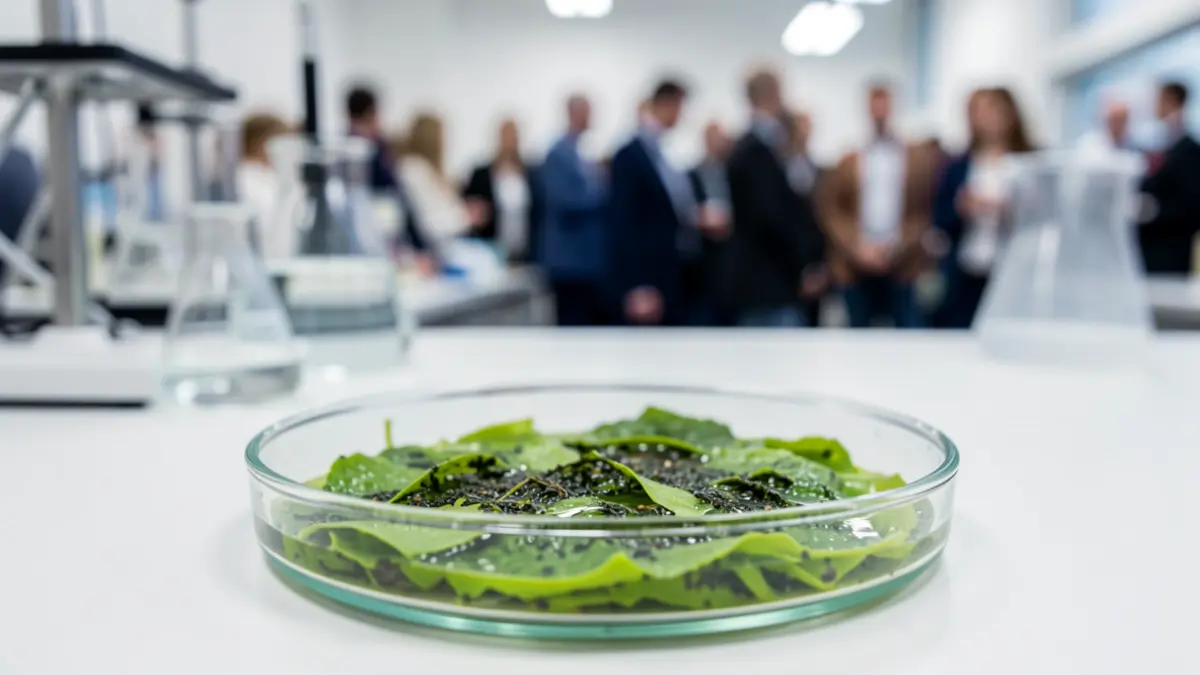
Ecoaqua's participation will be complemented by seven scientific posters covering areas such as probiotics for marine species, disease prevention tools, cell models for fish virology, and the valorization of the invasive macroalga Caulerpa racemosa as a sustainable ingredient for aquaculture feeds. Advances in the use of soy in seabass feed, the effects of vitamin D on meagre, and new probiotic candidates for marine aquaculture will also be presented.
The ULPGC's presence at this congress underscores its position as a leader in aquaculture research, a sector vital for ensuring healthy and sustainable food for future generations.