A municipal delegation from Las Palmas de Gran Canaria, headed by Mayor Carolina Darias and councilor Francisco Hernández Spínola, conducted a technical visit to Lugo on April 15. The main objective was to study the functioning of the Galician city's hydraulic infrastructures, especially storm tanks, with a view to their application in the capital of Gran Canaria.
The Las Palmas de Gran Canaria council is developing an ambitious Strategic Plan for the Integral Water Cycle, which foresees an investment exceeding 857 million euros until 2033. This plan aims to guarantee supply, eliminate discharges into the sea, and adapt the system to new climatic conditions, including the construction of up to 18 storm tanks.
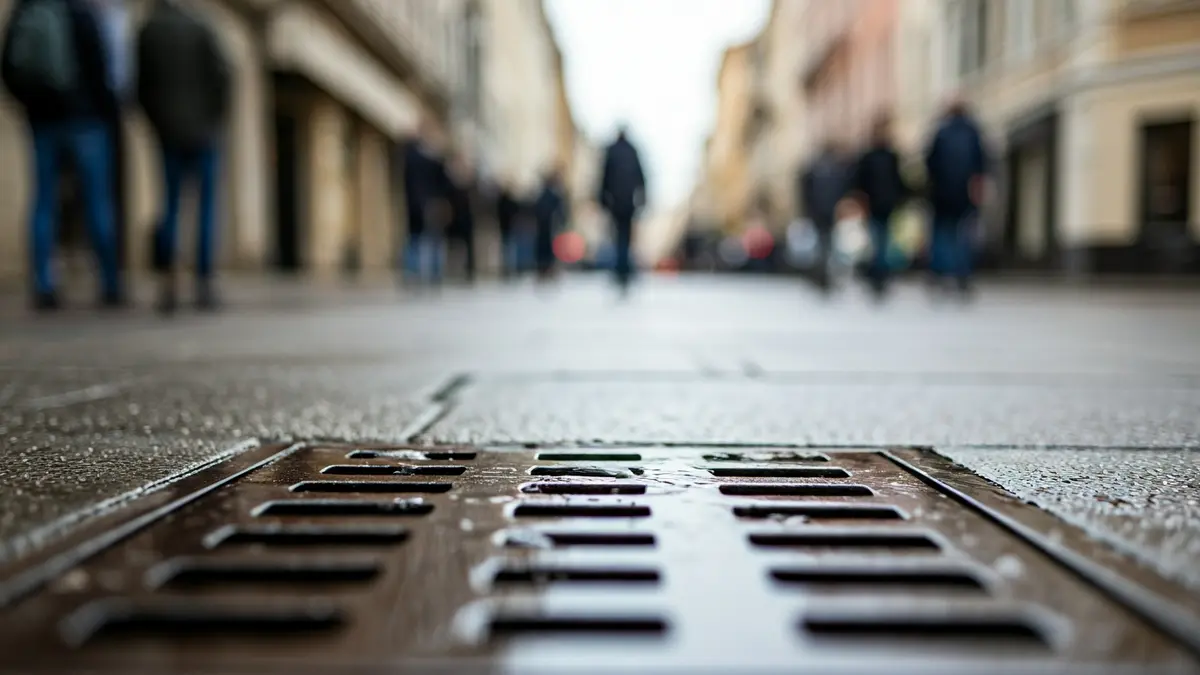
During the visit, the Canarian delegation, accompanied by Lugo's mayor Miguel Fernández and representatives from Emalsa, toured key facilities such as the wastewater treatment plant and several storm tanks. These infrastructures are essential for regulating flows during intense rainfall events, reducing the risk of floods and preventing overloading of the sanitation network, in addition to retaining the first runoff waters, which are the most contaminated, to prevent their direct discharge into the sea.
Lugo's model, where these infrastructures are operated by Gestagua (a brand of the Saur group, Emalsa's private partner), is presented as a valuable technical reference for Las Palmas de Gran Canaria's plan. The implementation of similar solutions will allow the city to advance towards the goal of “zero discharge” and improve its response capacity to high-intensity rainfall events.