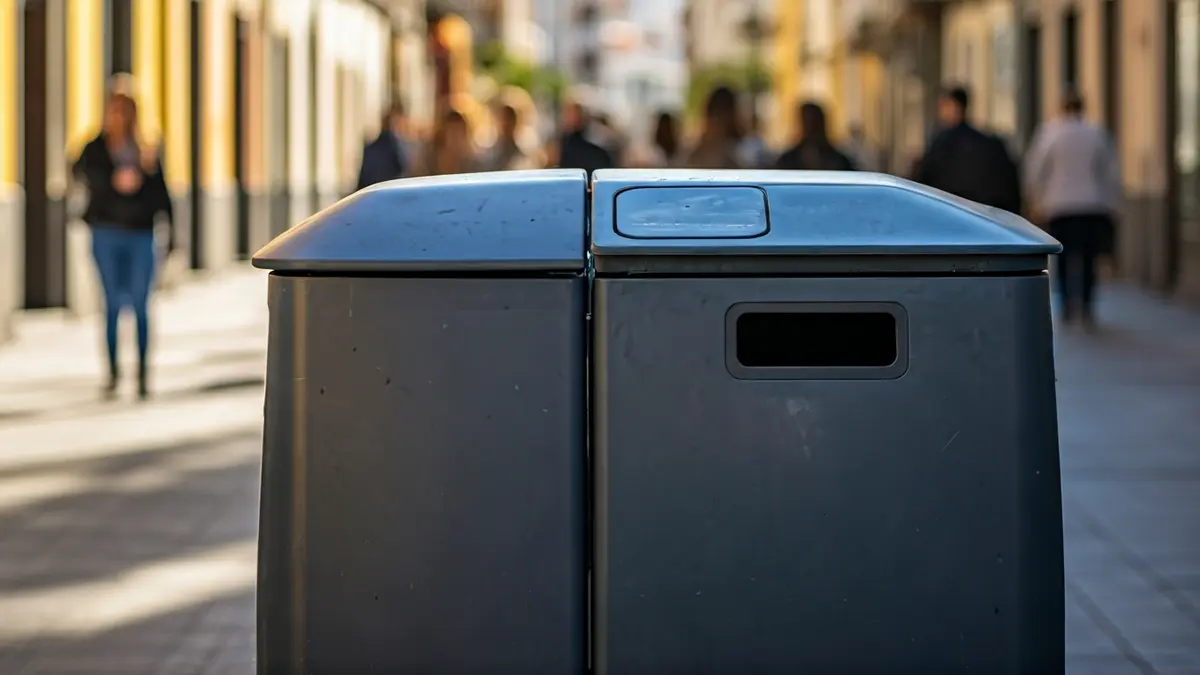
These new units, designed to enhance capacity and reduce noise, are now visible across the capital of Gran Canaria. This initiative marks the first renewal of these containers since 2015 and is part of the council's collaboration with Ecoembes.
According to a municipal statement, the containers have been adapted to the specific characteristics of Las Palmas de Gran Canaria, incorporating improvements in accessibility and functionality to facilitate waste separation by citizens. The Councilor for Urban Hygiene, Héctor Alemán, highlighted that they are “more modern” and represent “an important step” in urban waste management.
“"They are more modern and allow us to take an important step in the management of urban waste in the city."
The main objective is to advance in the creation of ecological islands, which are points where citizens can deposit the five waste fractions: residual, paper and cardboard, packaging, glass, and organic matter, thereby simplifying the recycling process.
Concurrently, the Las Palmas de Gran Canaria City Council has opened the bidding process for the new urban solid waste collection service contract, with an anticipated investment of 156.9 million euros over eight years. This contract, expected to be awarded before May 11, includes a comprehensive renewal of the vehicle and container fleet, which has not been updated for over a decade.
The new model will introduce significant operational and technological changes, such as the expansion of the fifth container for organic matter, identification systems with smart locks linked to tax bonuses, and the use of side-loading units with greater capacity. It will also incorporate fill sensors, intelligent route planning, and reinforcements in cleaning and selective collection.