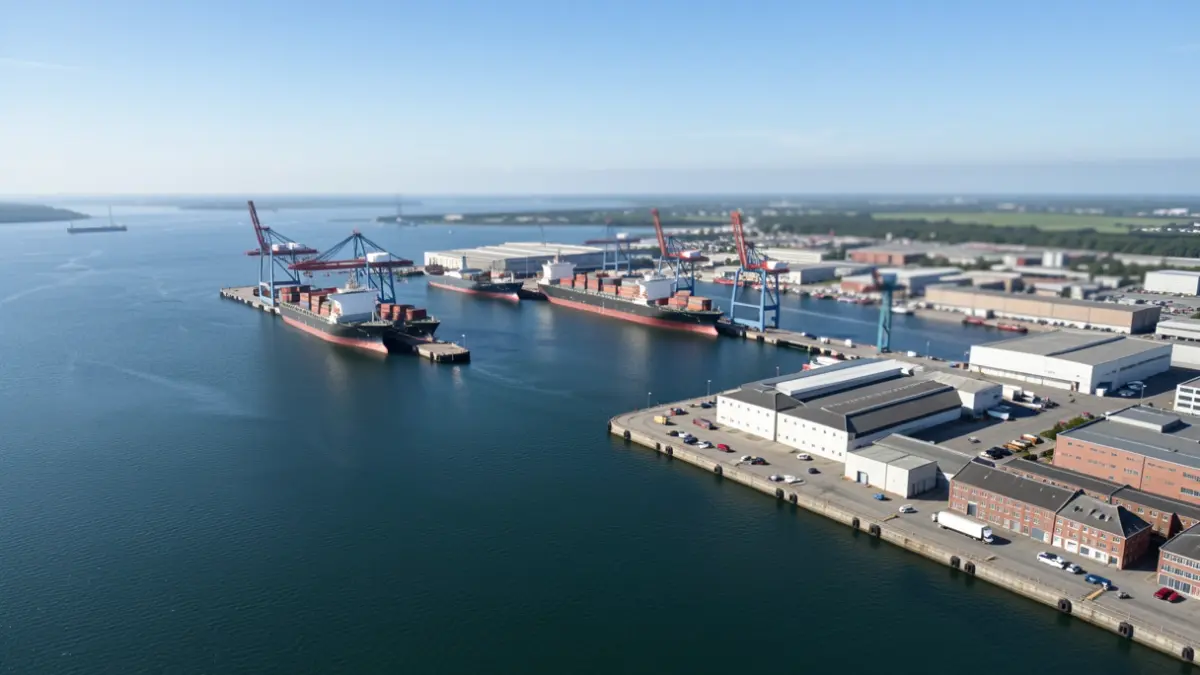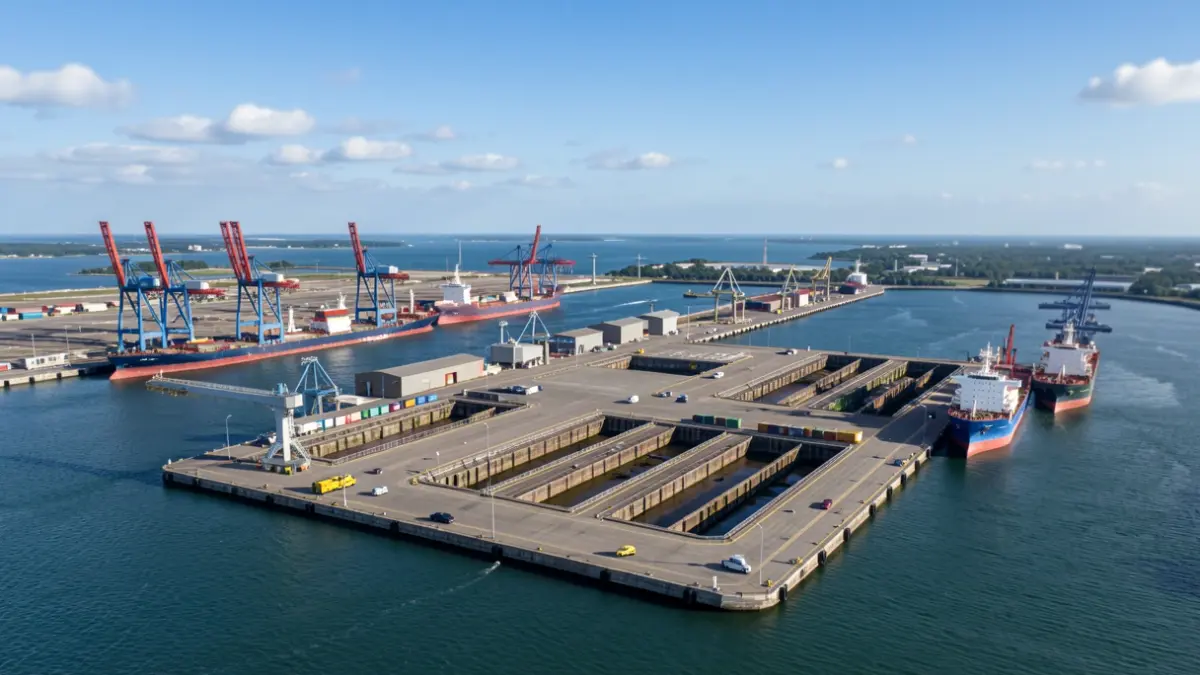
The Port Authority presented the logistics offerings of the Port of Las Palmas and other provincial facilities to a delegation of Latin American business leaders this Thursday. The goal is to position the Canary Islands' ports as a strategic logistics hub between America, Africa, and Europe, leveraging their location and growing importance within the Spanish port system.
“"The main objective of this meeting was to consolidate the ports of Las Palmas as an efficient and competitive logistics platform, capable of responding to the needs of international maritime traffic."
The meeting is part of a series of international promotional activities, including recent visits to Brazil and Guatemala, and participation in a cruise fair in Miami. These initiatives aim to generate new business opportunities and strengthen trade flow among the three continents.
The value proposition presented to the American representatives includes a diversified range of services, such as transit operations, redistribution, bunkering, ship repairs, and integrated logistics services. This variety allows the ports of Las Palmas to efficiently meet the demands of the global logistics chain.
“"For us, the relationship with Latin America is fundamental. These meetings allow us to showcase our capabilities and establish alliances that drive new logistics routes and more efficient business models."
The Port Authority hopes that European authorities will allow the future extension of the Reina Sofía Pier to be used to increase the port's storage capacity. This would enable companies from Latin American countries to store products for subsequent redistribution to third countries, thereby consolidating Las Palmas' position as a key center for global trade.