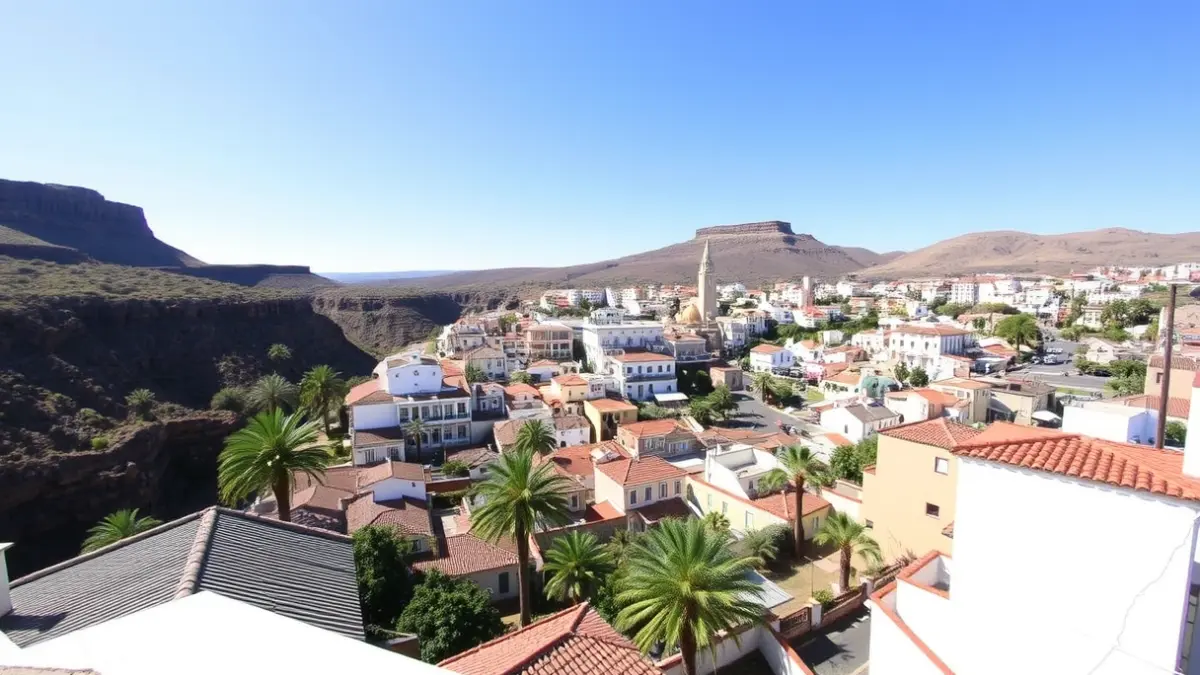
Located just 14 kilometers from Las Palmas de Gran Canaria, Santa Brígida has managed to position itself as the municipality with the highest income in the Canary Islands, exceeding 53,000 euros per taxpayer. With a population of approximately 18,000 inhabitants, the town is characterized by its topography of ravines, palm groves, and vine-covered slopes.
The original toponym of the municipality, ‘Sataute’, which in aboriginal language means palm tree, evokes a privileged natural environment that has historically attracted residents seeking tranquility and exclusivity. This scenic value has been the birthplace of public figures, reinforcing Santa Brígida's identity as a prestigious enclave.
Beyond its economic solvency, the municipality treasures a significant historical and natural legacy. Its historic center has been declared a Site of Cultural Interest (BIC), preserving its traditional structure around the parish church, a building whose history dates back to a hermitage from the 16th century.
Geologically, Santa Brígida hosts one of the most impressive natural monuments in Gran Canaria: the Caldera de Bandama. This volcanic crater reaches 200 meters in depth and one kilometer in diameter, offering panoramic views of the island's center and north from its 574 meters of altitude.
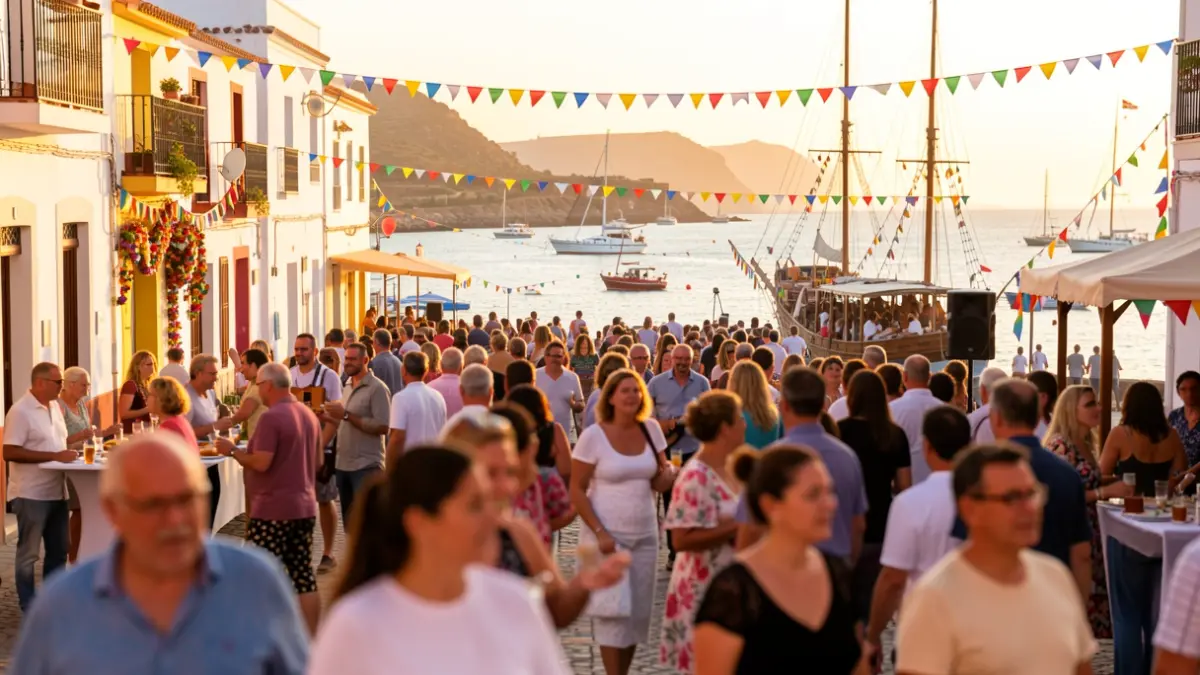
The local economy is strongly linked to the winemaking tradition, with the Santa Brígida Wine Route as its flagship. Vineyards cultivated on volcanic picón supply local reference wineries. This activity is complemented by a weekend agricultural and craft market, where cheeses, honeys, and artisan pastries are sold.
Furthermore, the district of La Atalaya is renowned for its traditional pottery, where clay-making techniques inherited from pre-Hispanic times are preserved, keeping alive an ancestral craft that defines the local culture.