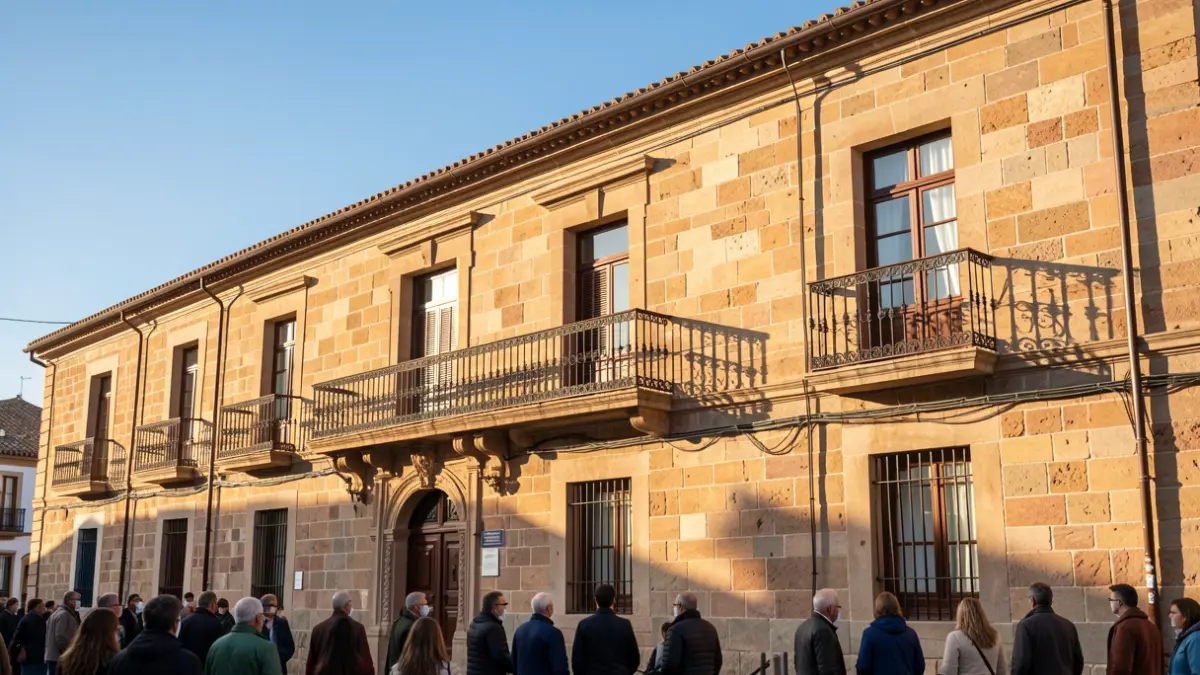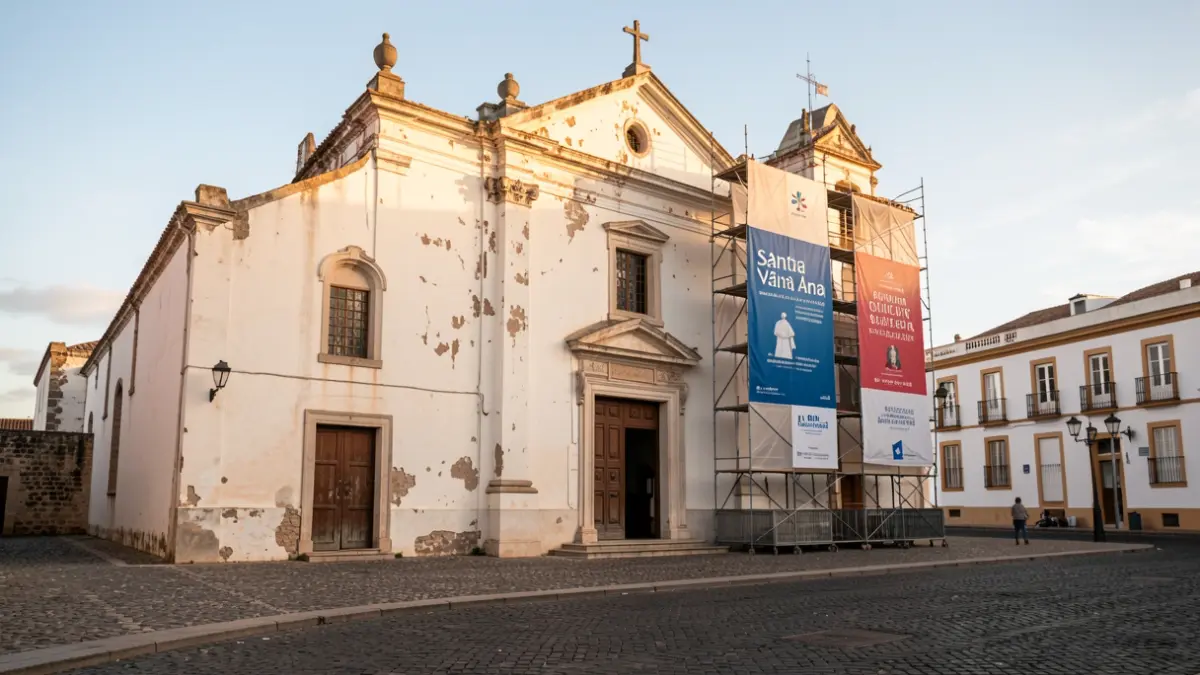
The Las Palmas de Gran Canaria City Council has granted the urban planning license for the restoration and consolidation of the north facade of the Santa Ana Cathedral. This exterior wall, off-white in color and adjacent to the city's first street, shows significant deterioration due to humidity, saline environment, corrosion from pigeons, and pollution.
The intervention, led by architect Guacimara Delgado from Tibicena Arqueología y Patrimonio, will focus on cleaning and specifically treating the stones, eliminating moisture, and repairing elements such as gargoyles, pilasters, and cornices. The facade will also be whitewashed and painted. The budget amounts to 106,120.91 euros and is part of a larger plan to condition the north plot of the cathedral as an archaeological site.
The license processing has been expedited due to the upcoming visit of Pope Leo XIV to Gran Canaria on June 11. To prevent the deterioration from being visible during the pontiff's meeting with ecclesiastical authorities and the subsequent lunch at the episcopal palace, the scaffolding will be covered with commemorative banners spanning approximately 1,200 square meters.
Although the license approval coincides with the papal visit, the project has been in development for nearly three years. Tibicena submitted the damage and needs assessment report in late July 2023. The Santa Ana Cathedral, a Site of Cultural Interest (BIC) since 1974, has required a lengthy approval process due to its high protection status. After rectifications, the project was approved by the Cabildo de Gran Canaria in February 2026. The works, set to begin in early January, are expected to take around four months to complete.