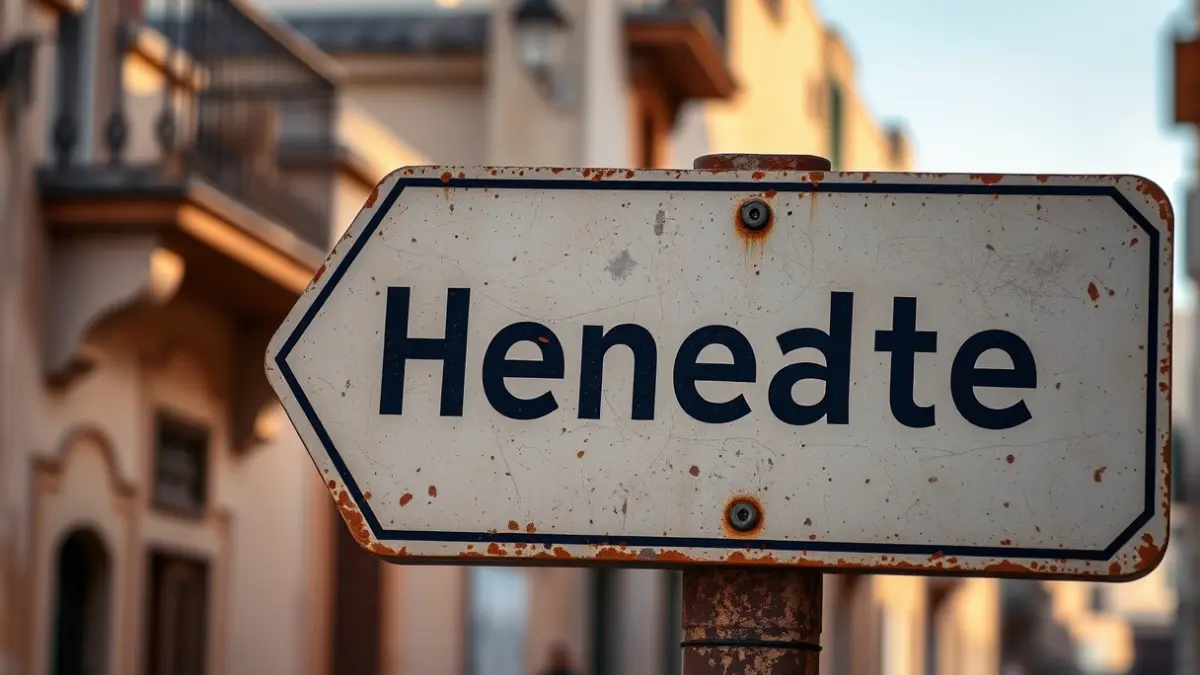
In various streets of Las Palmas de Gran Canaria, remnants of the pre-Hispanic era are reflected in the nomenclature. Terms such as Benecharo, Vacaguaré, or Harimaguadas adorn the street signs, serving as a constant reminder of the rich aboriginal cultural and linguistic heritage of the archipelago. Most of these denominations are concentrated in the La Isleta neighborhood, creating an atmosphere that evokes the Guanche past.
The Guanarteme neighborhood, with its street named Fernando Guanarteme, is also an example of this legacy. This ancient aboriginal king of Gáldar, whose original name was Tenesor Semidán before his baptism, is one of the historical figures honored in the city's urban planning. However, he is not the only relevant personality who has received this type of recognition.
The streets of La Isleta gather names of guanartemes, aboriginal nobles, and other prominent figures from pre-Hispanic history. Among them are Artemi Semidán, Andamana, Reina Teguise, Benartemi, Adargoma, Tinguaro, Bentejuí, or Benecharo. The list extends with other terms such as Umiaga, Menceyes, Guaires, Harimaguadas, Bentayga, or Guanaben, with toponyms and anthroponyms like Tenesor, Guayedra, Tecén, Anzofé, Tamadaba, Tanausú, Taliarte, Tenesoya, Alcorac, Tirma, Bencomo, Fataga, Tenteniguada, and Guayadeque being particularly prominent.
Approximately 35,000 aboriginal terms still form part of the current speech in the Canarian dialect, mainly as toponyms and anthroponyms. This explains the prevalence of proper names in the commemorative street names. A notable example is the Benahorita-origin expression Vacaguaré, which also gives its name to a street and means "I want to die".
The official chronicler of Las Palmas de Gran Canaria, Juan José Laforet, points out that the concentration of aboriginal names in La Isleta is not coincidental. There was an intention to "create the atmosphere of the city's foundation" around the Castillo de La Luz, considered the birthplace of the Gran Canarian capital. The first street namings in the area took place between 1911 and 1914, although the assignment of aboriginal names intensified in the 1940s.
Outside of La Isleta, aboriginal names are less common, but they can be found in some streets such as Guanarteme, Guiniguada, Maninidra (in Triana), Monte Garajonay (in Las Mesas), Taburiente (also in Las Mesas), Parque Doramas (in Ciudad Jardín), Tindaya (in El Zardo), Tiscamanita (in El Zardo), Teguise (in El Román), Tamarco (in Los Giles), and Tenesoya Vidina (in Zárate). These toponyms and anthroponyms continue to be the main elements that preserve pre-Hispanic history in the urban fabric.